
The inquiry into who buried justice for apartheid’s victims has itself hit a wall – and now needs up to six more months to dig itself out.
The Khampepe Commission of Inquiry into alleged political interference in TRC prosecutions has formally asked President Cyril Ramaphosa for a four-to-six-month extension, warning that its current deadline of 18 December 2026 will not be enough to finish the job.
The request, confirmed by commission spokesperson Lionel Adendorf, comes just weeks after explosive testimony from former presidents, spies and apartheid death squad commanders blew the inquiry wide open.
Adendorf said the commission was forced to seek more time for three reasons that go to the heart of the cover-up it is investigating: new names that emerged under oath, missing state documents, and legal delays.
“Several factors have contributed to the request, including names that emerged during testimony, outstanding documents requested from government departments and institutions, and delays caused by a recusal application,” Adendorf said.
Those names matter. In the last two weeks alone, the commission heard former Vlakplaas commander Eugene de Kock accuse top NPA prosecutors Gerrie Nel and Anton Ackerman of deliberately ignoring his offer to reveal who gave the orders for apartheid murders.
Former President Thabo Mbeki dismissed claims of a political deal to suppress prosecutions as a “complete fabrication,” while families insisted such a deal was done between the ANC and the old regime.
Each witness has named others. Each name requires notice, lawyers, and a right of reply. Each right of reply creates a new trail of dockets.
The second reason is the state’s paper trail – or lack of it. The commission, established in May 2025 after apartheid victims’ families took government to court, is still waiting for documents from departments and security institutions that were supposed to have been archived. The fact that crucial NPA dockets, intelligence files and TRC handover records are “outstanding” more than a year after the inquiry started is itself evidence of how poorly the TRC cases were handled.
Ramaphosa had already extended the commission once, pushing its final report to 18 December 2026.
The new application would push that to mid-2027 winter.
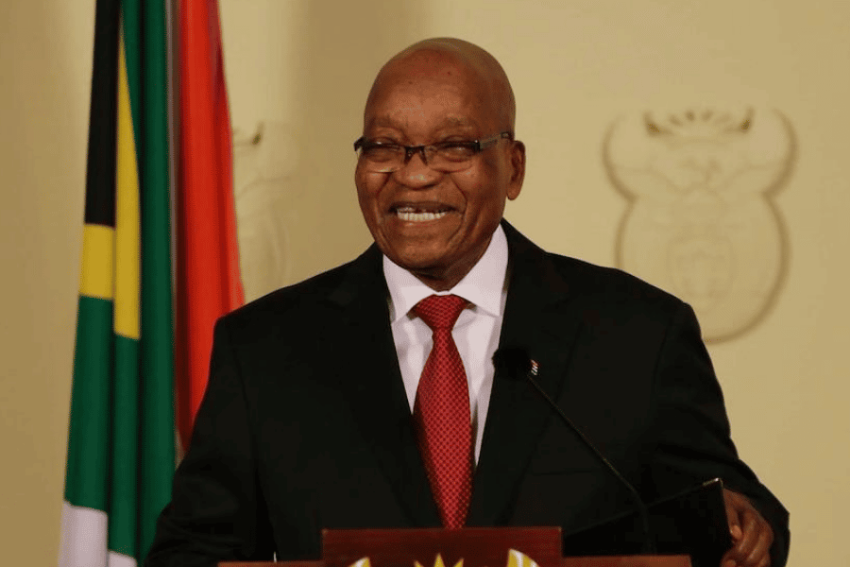
The third and most delicate reason is former President Jacob Zuma.
Adendorf confirmed the commission needs more time to hear testimony from Zuma, who is reportedly ill and has been in contact with the commission’s lawyers through his legal team.
“A date for his appearance has not yet been confirmed,” Adendorf said.
Zuma’s testimony is seen as critical. As former head of ANC intelligence and later president, he sat on both sides of the alleged interference – first as a victim of apartheid crimes, then as head of state under whom TRC prosecutions continued to stall.
Investigators want to cross-examine him on what he knew about any political understanding that apartheid generals would not be pursued.
The extension would also allow commissioners to recall and cross-examine witnesses who testified last week, and to investigate further individuals named during proceedings.
“The commission is seeking a reasonable opportunity to complete its work and fully investigate the allegations,” Adendorf said.
For the families who brought the case that forced Ramaphosa to establish the inquiry – including the families of the Cradock Four and COSAS Four – another delay is bitter.
They have waited 25 years since the TRC handed over 300 cases for prosecution. Only a handful were ever pursued.
The Presidency has not yet responded to the request yet.