
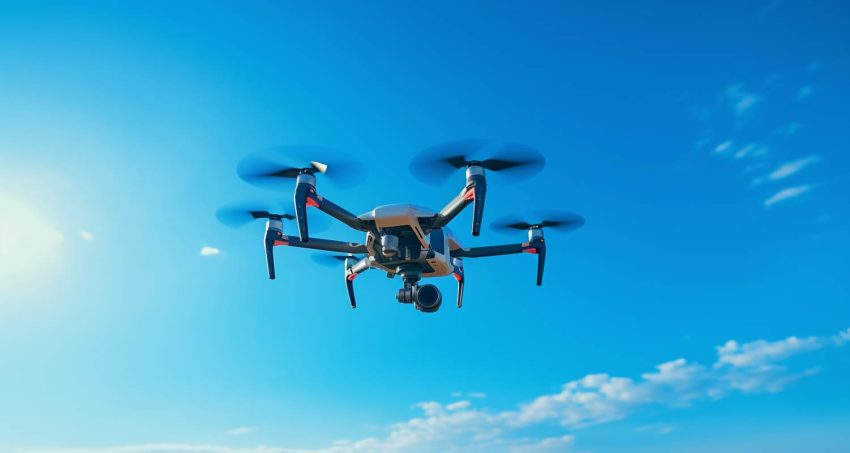
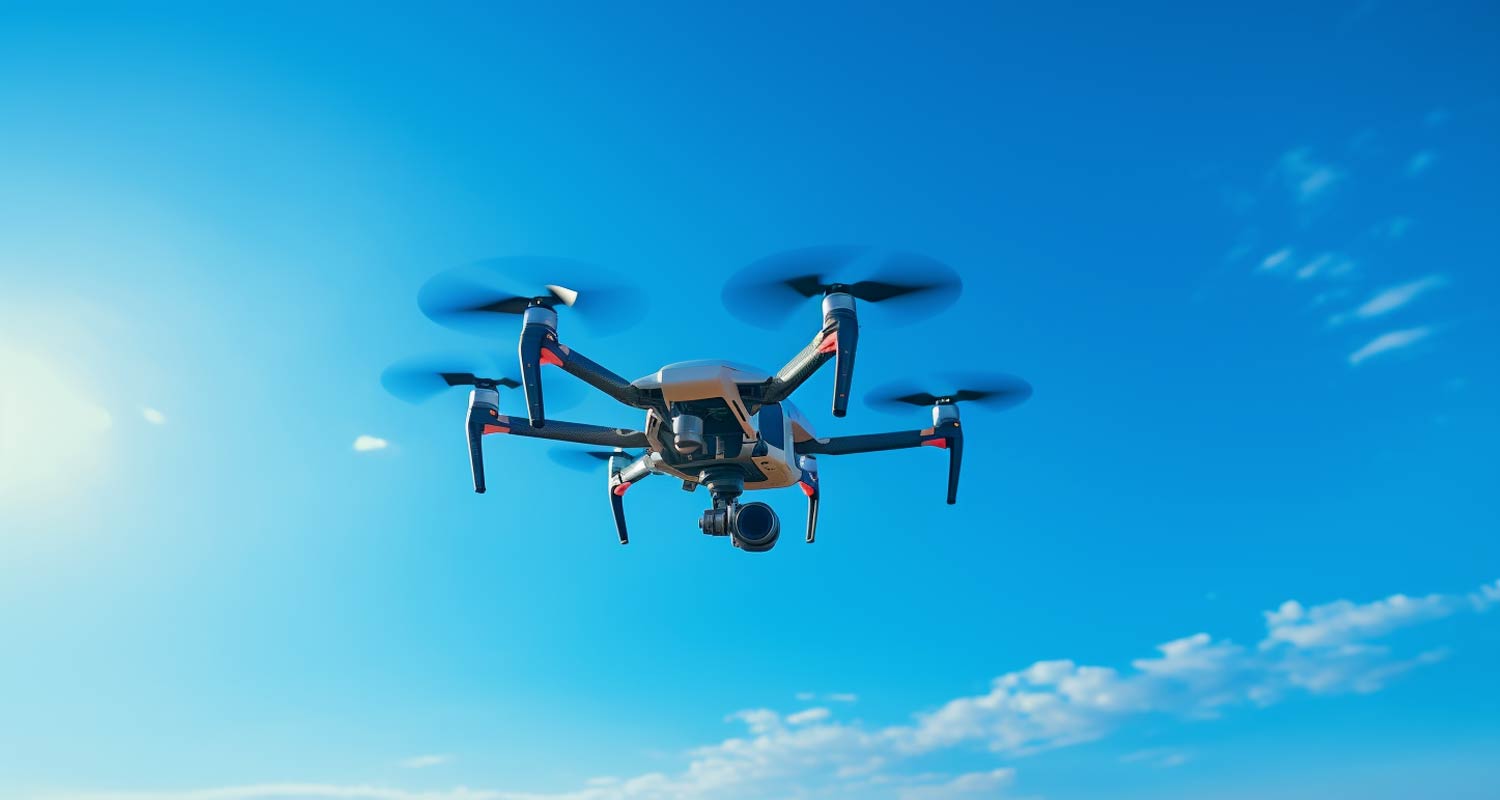
When the South African Police Service declared the entire Comrades Marathon route a no-fly zone this month, permitting only authorised aircraft and warning that any unauthorised drone would be dealt with in accordance with the law, it did more than secure a sporting event. It confirmed something most South Africans would rather not hear: a drone is an aircraft in the eyes of the law, not a toy, and the rules that govern the devices are far stricter than the average hobbyist believes.
I deal with these rules for a living, and the gap between what the law requires and what people actually do in the air above our suburbs is enormous.
Start with the framework. Drone operation in South Africa falls under the Civil Aviation Act of 2009 and part 101 of the civil aviation regulations, and those rules apply to everything bar the smallest toy-grade devices. You may not fly within 50m of any person, building, structure, vehicle or public road without permission. You may not fly over private property without the owner’s consent, within 10km of an airport, at night without approval or beyond your visual line of sight. Your ceiling is 120m.
Once you apply the 50m rule in any built or semi-built environment, compliant recreational flying becomes almost impossible. The drone you see buzzing over a suburban street, a cluster of townhouses or a row of gardens is, in all likelihood, being flown unlawfully.
A persistent myth makes this worse. Many hobbyists believe drones under 250g are exempt. They are not. Unlike the US or Europe, South Africa’s regulations carry no sub-250g carve-out. A palm-sized drone is bound by the same 50m and privacy rules as a far larger machine.
And the privacy dimension is not a footnote. Capturing footage of identifiable people or private property without consent engages the Protection of Personal Information Act (Popia), exposing the operator to both civil and criminal liability. Popia treats that footage as the collection of personal information, and the penalties for getting it wrong are severe.
An old misconception
There is also a factor almost nobody talks about: sound. A drone emits a distinctive high-frequency whine layered with the irregular modulation of its propellers. To us it is merely irritating. To a dog, a cat or livestock it reads as a predator overhead, and it triggers a defensive response. That is part of why the law keeps drones away from people and animals in the first place.
The complaints reaching me are not abstract. One involved a man who repeatedly walks the pavement outside a gated Cape Town complex, flying a drone over the homes inside while wearing first-person-view goggles. In a single recurring act, he manages to fly within 50m of buildings and people, over private property without permission, and with his line of sight compromised by the goggles, all while raising clear Popia concerns and edging towards harassment.
Read: Drone used to nab cigarette smugglers at Beitbridge
The Comrades warning also revived an old misconception: that a drone causing a nuisance can simply be brought down. It cannot, at least not by you. Because a drone is legally an aircraft, interfering with one is a serious offence. Throwing objects at it, jamming its signal or otherwise downing it can attract a fine of up to R50 000, imprisonment of up to 10 years, or both. Only the state, through the police or other authorised bodies, may disable a drone, and then only under controlled conditions justified by safety or security.

What is striking is that, for all this, we still have no reported judgment dealing directly with unlawful recreational or privacy-related drone operation. I find the silence telling. In Arthur Conan Doyle’s story, the clue was the guard dog that did not bark; sometimes what has not happened tells the real story. The absence of case law is not a sign that the rules are weak; it is a sign that they are untested. That will not last. Sooner or later, a drone will injure someone, damage property or cause a serious privacy breach, and a court will finally be asked to interpret these laws.
Organisations need not wait for that moment. Any body responsible for land, shared space or precinct management should adopt a drone policy aligned with aviation law: a default prohibition on unauthorised flights, an exception only for accredited operators holding valid licences and certificates doing approved work, indemnities against liability arising from privately flown drones, and a clear penalty framework.
For individuals, the worst response to a problem drone is confrontation. Do not try to interfere with it. Record dates, times and flight paths, note a description of the operator, report the matter to your body corporate or homeowners’ association, and escalate to the police if it persists, making clear that the device is being flown within 50m of people and buildings in breach of part 101 of the regulations, with possible Popia violations.
Drones are genuinely useful tools. But they are aircraft, and they have to be flown like it. The safety, privacy and peace of our neighbourhoods depend on the difference.