
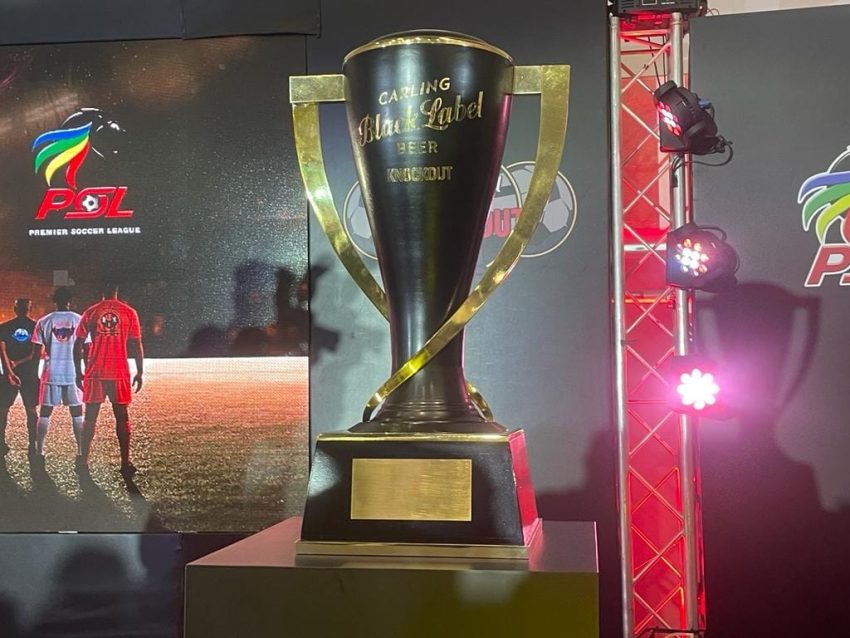
The race to host the Carling Knockout final between Soweto giants Kaizer Chiefs and Orlando Pirates is expected to bring economic opportunities to either Durban or Cape Town, with Moses Mabhida Stadium and DHL Stadium emerging as potential venues for the highly anticipated showdown.
The final, scheduled for December 12, is expected to attract thousands of football supporters, with the prospect of hosting one of South Africa’s biggest football rivalries offering significant commercial and tourism benefits to the successful host city.
However, staging a match of this magnitude comes with substantial financial responsibilities, with preliminary estimates suggesting that a host city could need between R5 million and R10 million to cover various event-related expenses, depending on the final arrangements.
These estimates are indicative figures for planning purposes and do not represent confirmed bids, official hosting fees or amounts demanded by the Premier Soccer League (PSL).
The costs associated with hosting the final could include stadium hire, security, traffic management, emergency medical services, event operations, marketing and entertainment activities.
Security and crowd management are likely to be among the biggest expenses, particularly given the enormous following enjoyed by both Kaizer Chiefs and Orlando Pirates.
The two clubs command massive support across the country, and their meetings regularly attract considerable public attention, making the final an attractive opportunity for the host city to showcase its facilities and tourism offerings.
Durban’s economic opportunity
For Durban, hosting the final at Moses Mabhida Stadium would provide an opportunity to boost tourism and hospitality businesses during the festive season.
Hotels, restaurants, transport operators, informal traders and other businesses could benefit from the influx of supporters travelling to KwaZulu-Natal for the match.
The city could also use the occasion to promote its beaches, entertainment facilities and other tourist attractions to visitors arriving for the football spectacle.
However, the potential economic benefits would need to be weighed against the public resources required to stage the event safely and efficiently.
Cape Town also in the running
DHL Stadium would offer Cape Town a similar opportunity to attract football supporters and generate economic activity through accommodation, transport, hospitality and entertainment.
The city’s established tourism industry could help businesses benefit from visitors travelling to watch the final, while the match would provide an opportunity to showcase Cape Town as a destination for major sporting events.
As with Durban, the financial implications would depend on the agreement reached with the PSL, the stadium operator and other event partners.
What will it cost to host the final?
Although a budget of between R5 million and R10 million provides a preliminary indication of the possible expenditure involved, the actual cost could be higher or lower depending on the hosting arrangements.
Stadium rental fees, security requirements, municipal services and the division of responsibilities between the PSL and the host city would all influence the final budget.
It is also important to distinguish between the cost of preparing a hosting bid and the total cost of staging the match. A city may submit a proposal without necessarily paying the entire event budget upfront.
Neither the official bidding fee nor the complete financial terms for the 2026 final have been established in the information available for this report.
The successful host would therefore need to consider not only the financial commitment but also the potential returns from tourism, business activity, sponsorship and national exposure.
With Chiefs and Pirates set to contest the trophy, the competition between Durban and Cape Town represents more than a battle for the right to host a football match. It is also an opportunity for either city to demonstrate its ability to stage a major sporting event while delivering economic benefits to local businesses.
Ultimately, the decision will rest on the PSL’s hosting arrangements and the proposals submitted by the competing venues and their stakeholders.