


WeBuyCars Holdings Limited released its consolidated WeBuyCars interim results on 18 May 2026 for the six months ended 31 March 2026. The JSE-listed used-vehicle retailer delivered solid top-line growth through volume increases and network expansion, yet profitability metrics softened amid a deflationary trading environment and higher investment costs.
Group revenue climbed 7.8% to R14.155 billion. Buying volumes rose 3.2% to 95,328 units and selling volumes increased 2.3% to 93,519 units. The company achieved record monthly sales of 17,209 units in March 2026 and a record buying month in January. These gains occurred despite downward pressure on used-vehicle prices.
Expansion Supports Revenue and Market Share Gains
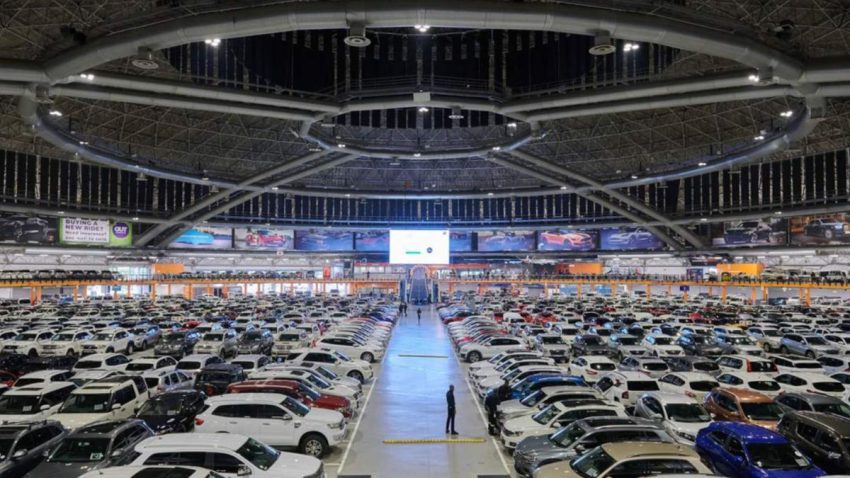
This underscored continued investment in physical capacity. Parking bays grew 31% to 15,614. The group opened three new supermarkets — in Montana (Pretoria North), Lansdowne (Cape Town) and Witbank — lifting the total to 20. Buying pods increased from 93 to 109, while employee numbers rose 15% to 3,772.
These moves helped lift market share. The company reached 10.55% of used vehicle registrations in the half year, with a record 11% in the second quarter. Management highlighted a disciplined buying strategy focused on affordable inventory and new supermarket capacity. Three additional facilities are planned, including sites in Bloemfontein and Centurion.
The influx of competitively priced Asian-brand new vehicles supported overall market growth but created short-term headwinds for used-car margins.
Price Adjustments and Margin Pressure from Asian Imports
Increased competition from new Asian-brand vehicles, including Chinese models, contributed to deflation in the used-car market. WeBuyCars adjusted prices downward on certain vehicles to remain competitive.
According to CEO Faan van der Walt, consumers who previously bought used cars can now afford new Asian imports. The company lowered prices on used vehicles in the R350,000 to R500,000 range, as well as some higher-priced cars. However, the overall impact remained limited because the average vehicle traded by WeBuyCars is around ten years old and priced near R160,000.
At least 18 new Asian brands have entered the market, boosting new-vehicle sales while tightening margins for used-car operators. Chinese-brand vehicles currently represent about 5% of WeBuyCars throughput, up from roughly 3,000 units in 2024 to just under 4,000 in 2025. Management described the inflow into the used market as still in its early stages, with potential medium-term benefits as these vehicles eventually enter the second-hand pool.
Leadership Perspective, Dividend and Market Context
CEO Faan van der Walt described the WeBuyCars interim results as
“a resilient performance in a challenging and deflationary trading environment”.
He expressed satisfaction with progress in expanding the supermarket footprint and confidence in ongoing market share growth ambitions.
The company declared an interim dividend of 33 cents per share, up 10% from 30 cents previously, representing a payout ratio of 27.5% of headline earnings.
Shares reacted to the results with initial pressure before recovering intraday. The stock has faced broader declines in recent months following strong post-listing gains after the April 2024 JSE debut. In February 2026, co-founders Faan and Dirk van der Walt sold shares worth R866 million as part of personal investment diversification and estate planning.
Analysts have noted that early hype around the listing contributed to elevated expectations, while describing WeBuyCars as a fundamentally profitable operator navigating competitive pressures from new-vehicle imports.


Hey, I’m Spencer, your go-to journalist and video wizard at Newsroomza. From local drama to world-shaking stuff, I mix in some cultural flair and throw in my cheeky takes on sports – because who says news can’t be a laugh?