
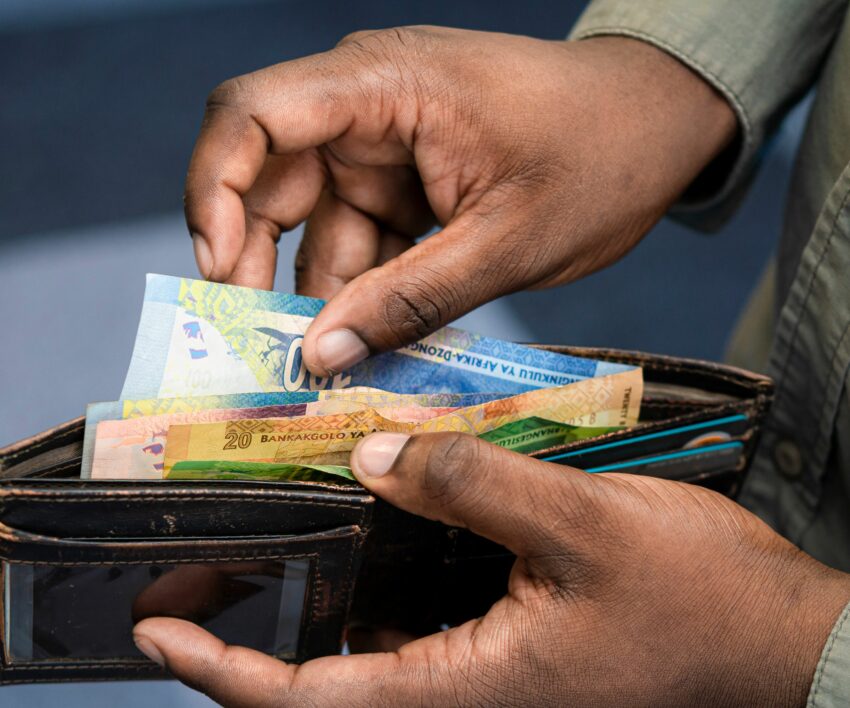
When money feels tight, the obvious solution is often to earn more. But increasing your income is not the only way to improve your financial position.
For many people, small changes to how money is managed can free up cash, reduce unnecessary costs and create greater financial breathing room. Here are five common financial mistakes you can fix without increased income.
Also see: National Savings Month: How families can build better money habits
1. Not knowing where your money goes
A budget is more than a list of bills. Track your spending for a month, including small purchases, subscriptions and bank fees. This can reveal “money leaks” that quietly add up.
The National Credit Regulator recommends budgeting to identify unnecessary spending and redirect available cash towards priorities.
2. Paying only the minimum on expensive debt
Standard Bank recommends paying more than the minimum monthly repayment on debt. Minimum repayments can keep debt around for longer and increase the total cost of borrowing.
Review your credit cards, personal loans and store accounts, then prioritise high-cost debt where possible. Before taking on new credit, consider both the interest and additional charges.
3. Letting subscriptions go unchecked
Streaming services, apps, memberships and other recurring payments can become easy to ignore. Check your bank statements and cancel anything you rarely use. Even saving R100 or R200 a month adds up over a year.
Also see: How to reduce stress without spending money
4. Shopping without a plan
Nedbank recommends not buying on impulse. Impulse purchases can undermine even a carefully prepared budget.
Make a grocery list, compare prices and introduce a cooling-off period for non-essential purchases. Ask yourself whether you need the item or simply want it today.
5. Treating every extra rand as spending money
When you save money by cutting an expense, give it a purpose. Redirect the saving towards an emergency fund, debt repayment or long-term investment rather than allowing it to disappear elsewhere. Building financial resilience matters, particularly when unexpected expenses arise.
The goal isn’t necessarily to earn more. It is to make the money you already earn work harder for you.
Also see: Top 5 money habits that quietly keep you broke
Be the first to know – Join our WhatsApp channel for content worth tapping into. Click here to join!