
South Africa’s airport network handled almost as many passengers as it recorded before the COVID-19 pandemic during the 2025/26 financial year, despite aircraft movements remaining below pre-pandemic levels.
Airports Company South Africa (ACSA) recorded 20.58 million departing passengers across its network during the financial year ended 31 March 2026, representing an 8.5% increase from the previous year and a recovery to 98% of pre-COVID passenger levels.
The recovery has, however, not been matched by the number of aircraft movements at ACSA-operated airports. Aircraft movements recovered to approximately 93% of pre-pandemic levels, creating a notable gap between passenger numbers and the number of flights operating through the network.
Regional and International Traffic Lead Recovery
The strongest recovery has come from South Africa’s regional and international markets.
Regional passenger traffic reached 104% of 2019 levels, while international traffic returned to 100% of its pre-pandemic level. Domestic passenger traffic was slightly behind at 97%.
The figures reflect significant change in South Africa’s aviation market since 2019. The domestic sector has undergone considerable consolidation, with the disappearance of operators such Comair and Mango combined with the diminution of South African Airways operations, compared with before the pandemic.
FlySafair and Airlink capitalised on the absence of major low-cost carriers in South African by expanding their presence in the domestic market. The resulting market has fewer operators than before COVID-19, while airlines are able to carry more passengers through individual flights.
Fuller Aircraft but Fewer Movements
The difference between passenger and aircraft movement recovery point towards a more efficient use of available capacity.
With passenger traffic at 98% of its pre-pandemic level but aircraft movements at 93%, South Africa is moving almost its pre-COVID passenger volumes without returning to the same number of individual aircraft movements. Higher aircraft utilisation and fuller aircraft are among the factors behind the trend, alongside changes in airline market share and the way passengers move through the country’s major airports.
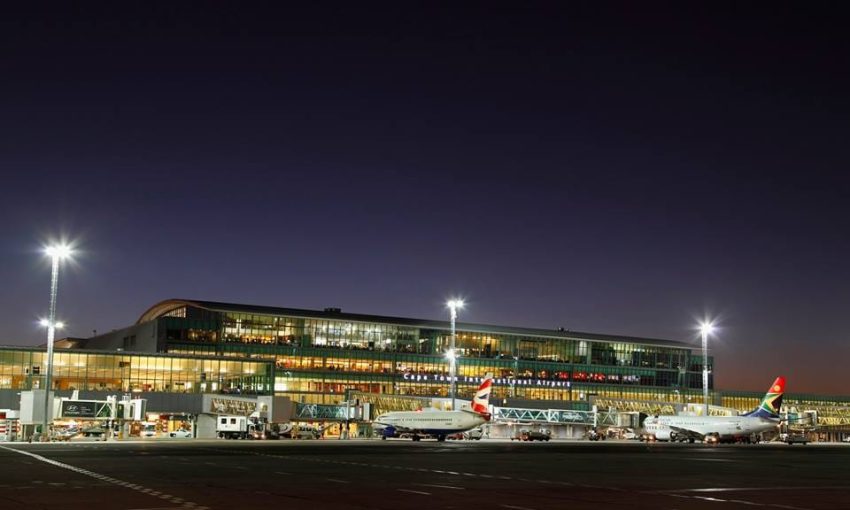
Cape Town International Airport has also become an increasingly important international gateway, with international and regional growth contributing to the recovery of ACSA’s network. O.R Tambo has remained South Africa’s principal gateway for both international and domestic travel.
A Profitable State-Owned Enterprise
ACSA’s recovery comes as the company continues to record strong financial results, reporting a R1.2 billion net profit and R8.8 billion in revenue for the 2025/26 financial year.
The performance places ACSA among the more financially successful state-owned enterprises in South Africa, at a time when the SOE sector continues to face concerns around governance, financial mismanagement and corruption.
ACSA now faces the challenge of accommodating continued growth while investing in airport infrastructure and maintaining operational capacity.
The airport-operator is preparing for the continued growth of South Africa’s aviation sector, with R21.7 billion allocated to infrastructure projects from 2027 through to 2032. The investment will fund upgrades at major airports including OR Tambo and Cape Town International, alongside developments at George, Chief Dawid Stuurman and King Phalo airports.
The planned projects are expected to increase capacity as passenger numbers continue to recover.