
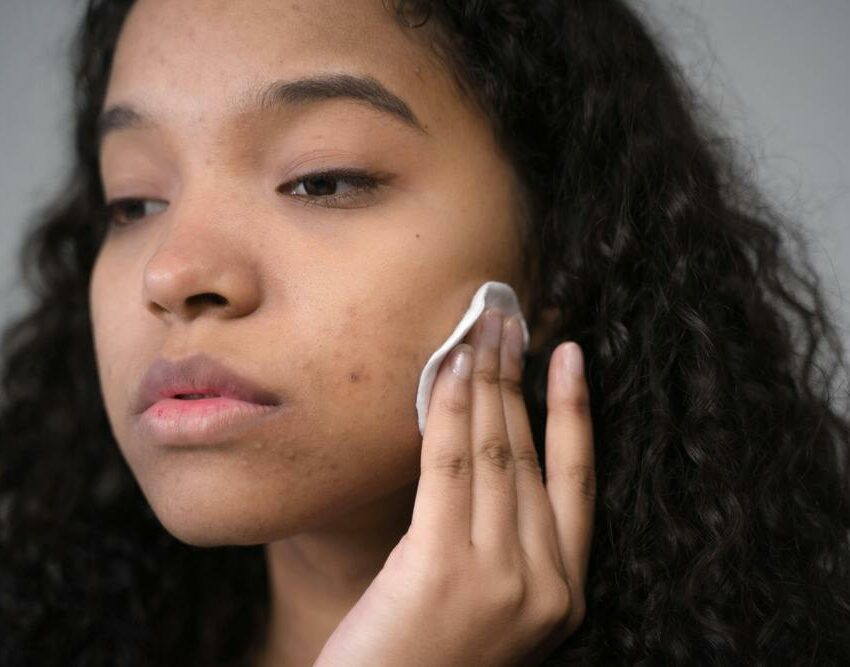
PICTURE: PEXELS/ SKIN FASTING
From “glass skin” routines to 10-step skincare regimens, the beauty world has spent years convincing people that more products equal better skin. But now, a growing number of skincare enthusiasts are embracing the opposite approach — skin fasting.
Also see: Skincare Mistakes That Cause Hyperpigmentation: Why Your Dark Marks Aren’t Fading
The viral beauty trend encourages people to temporarily reduce or completely stop using skincare products to allow the skin to “reset” naturally. Supporters believe taking a break from constant layering helps restore the skin barrier, rebalance oil production and reduce irritation caused by product overload.
But does your skin actually benefit from a skincare break, or is skin fasting simply another internet wellness trend?
According to Allure, skin fasting became popular through minimalist skincare movements and the belief that excessive product use may interfere with the skin’s natural ability to regulate itself. Dermatologists, however, say the answer is more complicated than simply throwing away your routine.
Experts generally agree that many people are overusing strong skincare ingredients such as retinoids, exfoliating acids and active serums. Over-exfoliation and mixing too many products can damage the skin barrier, leading to redness, dryness, irritation and breakouts.
A recent report by The Guardian highlighted growing concerns among dermatologists about “product overload,” especially as social media trends encourage people to constantly experiment with harsh active ingredients.
Also see: Winter glow-up guide: Skincare habits that actually work in cold weather
Skin fasting is often less about doing nothing and more about simplifying routines. Many dermatologists recommend cutting back on irritating or unnecessary products while still maintaining essential skincare basics like cleansing, moisturising and sunscreen.
According to British Vogue, there is currently no strong scientific evidence proving that completely stopping skincare products improves skin health long term. Experts also warn that skipping sunscreen can increase the risk of sun damage, pigmentation and premature ageing.
Instead of extreme skin fasting, many skincare professionals now promote “skin minimalism” — a simpler routine focused on fewer, effective products tailored to individual skin needs.
People with sensitive or over-treated skin may benefit most from temporarily reducing active ingredients. Reports from Business Standard suggest that pausing harsh exfoliants, retinoids and strong vitamin C products can help calm inflammation and repair the skin barrier.
However, skin fasting may not work for everyone. Those with acne, eczema, rosacea or medically treated skin conditions are usually advised to consult a dermatologist before dramatically changing their routines.
Online discussions around the trend also show mixed experiences. Some users on Reddit reported improvements after simplifying their skincare routines, while others experienced dryness, irritation or breakouts after stopping products completely.
Ultimately, skincare experts say healthy skin is less about following viral trends and more about understanding what your skin actually needs. For many people, the real lesson behind skin fasting is not abandoning skincare entirely — it is recognising that sometimes, less really can be more.
Also see: Best Skincare Habits for Your 20s: Dermatologist-Backed Routine for Clear, Healthy Skin
Be the first to know – Join our WhatsApp channel for content worth tapping into Click here to join!