
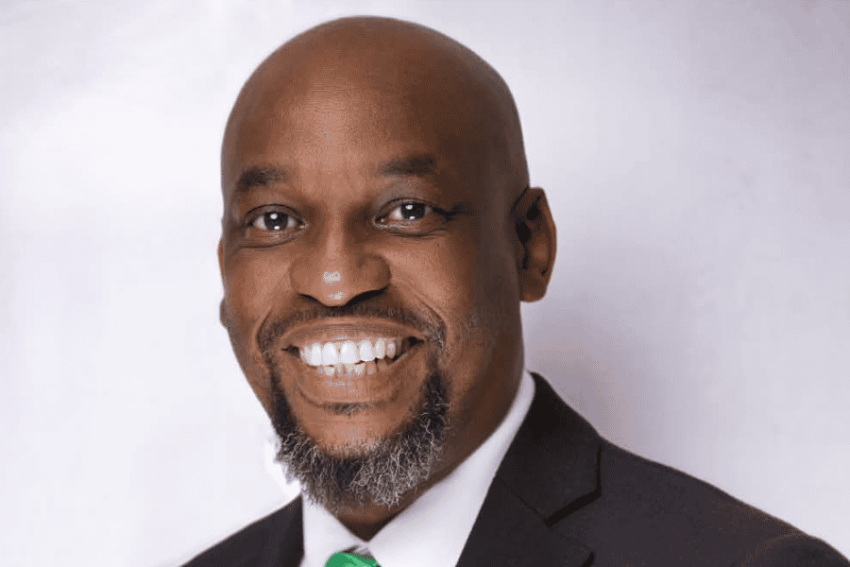
Patriotic Alliance (PA) mayoral candidate for Tshwane, Apostle Eletsang Moerane, says he will take back the streets of the capital if voters give his party power after the local government elections, with a hardline plan targeting hijacked buildings, illegal connections and undocumented foreign nationals.
Moerane, who is pitching himself as the fix-it mayor for a city that has had four mayors in three years, said Tshwane politicians have spent too much time fighting each other while pipes burst and substations burn.
“For years, Tshwane’s politicians fought each other instead of fixing pipes and substations. We’ve had four mayors in three years, and residents paid for every change,” Moerane said.
“The books are finally improving, and the PA helped make that happen. But in too many townships the taps still run dry and the lights still go off, and the city loses more than R3 billion a year on water and electricity it never gets paid for. A funded budget means nothing if the basics don’t work.”
In an interview with Africa Daily outlining his plan for the city, Moerane laid out three priorities: fix water and electricity, take back the streets, and clean house on corruption.
His second pillar is set to be the most controversial – a major enforcement blitz.
“Second, take back our streets: TMPD enforcement on hijacked buildings, illegal connections and illegal trading, and joint operations with Home Affairs and SAPS so people here illegally are dealt with under the law. South Africans come first for city jobs and city contracts,” he said.
Moerane said his first 100 days would see fix-it teams deployed for water and electricity in every region, with repair times published publicly so residents can see who is failing them.
He was blunt about how he would fund it.
“By collecting what the city is owed and stopping what it’s losing. Residents and businesses owe Tshwane around R21 billion, and more than R3 billion a year disappears through theft, illegal connections, tampered meters and leaking pipes. Close those gaps and the money is there,” Moerane said.
“We’ll keep the budget fully funded, pursue the biggest debtors before we touch pensioners, and make sure no grant money goes back to Treasury unspent.”
On coalition politics – which has crippled Tshwane and left it hung for years – Moerane said voters should expect no party to win outright.
“Yes. Nobody is going to win Tshwane outright, and anyone who says otherwise isn’t being honest with you. The PA will talk to anyone who puts residents first, but we don’t sit in the back row. Wherever voters give us seats, we negotiate for a real seat at the table, because our people come from the communities usually ignored in the corridors of power,” he said.
Asked what he should be judged on after one year, Moerane said three things that residents can check themselves.
“Three things residents can check for themselves: whether outages are fixed faster, whether rubbish is collected on the day it’s due, and whether every household in Hammanskraal drinks safely from its own tap. If those haven’t moved, judge me harshly.”
He said he would govern differently by putting safety where crime actually happens.
“I’ll put safety where the crime happens: cameras on main roads and at township entry and exit points, linked to TMPD and starting with the hotspots. And I won’t govern from behind a desk. Every month I’ll hold an open meeting in a different region where residents can hold me to account face to face,” he said.
Moerane identified electricity as Tshwane’s biggest crisis, saying the city records about 2,000 unplanned outages a month, with theft and vandalism causing about four in ten.
“My plan is to properly resource TMPD’s cable theft unit with cameras and drones on substations and cable routes. We’ll replace the oldest equipment first in the areas with the most outages. And we’ll push SAPS to go after the scrap buyers who keep cable theft profitable,” he said.
On accountability, he promised to refer every case behind the more than R5 billion in irregular and wasteful spending flagged by the Auditor-General for investigation.
His final commitment, he said, is one residents can hold him to.
“Every ward will have a named official responsible for water and electricity faults, and we’ll publish repair times every month. If we fall short, residents will know, because we’ll tell them,” Moerane said.