


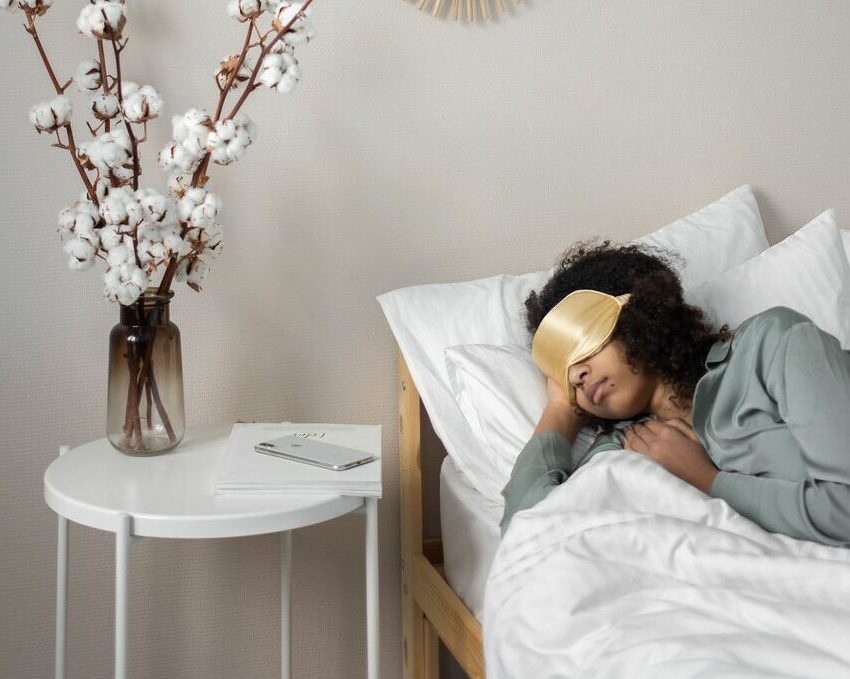
PICTURE: PEXELS/EKATERINA BOLOVTSOVA
Your haircare routine doesn’t have to stop when you go to bed. The way you prepare your hair before sleeping can help minimise unnecessary friction, tangling and breakage, particularly if your hair is dry, curly, textured or prone to damage.
Also see: Bob and pixie cuts are having a moment: Styles for every hair type
While you don’t need an elaborate nighttime routine, a few simple habits can help protect your strands.
1. Avoid going to bed with soaking-wet hair
If possible, allow your hair to dry before going to sleep. Wet hair is more fragile and can be more susceptible to snapping or breaking, especially when it is exposed to friction from your pillowcase.
If you wash your hair at night, gently squeeze out excess water and allow it to air-dry. If you need to use a hairdryer, Cleveland Clinic recommends using a low-heat or cool setting to avoid excessive heat.
2. Consider a silk or satin pillowcase
According to the Sleep Foundation, your pillowcase can contribute to the friction your hair experiences while you sleep. Smooth materials such as silk and satin allow hair to move more easily across the surface, which may help reduce tangling, frizz and breakage.
You don’t necessarily have to spend a lot of money on genuine silk. Satin can also provide a smoother surface and is generally more affordable.
3. Don’t tie your hair too tightly
Going to bed with a tight ponytail, bun, or braid can put unnecessary tension on your hair.
Instead, consider a loose braid, low ponytail or loose bun secured with a soft scrunchie. This is particularly important if your hair is already fragile or prone to breakage.
The American Academy of Dermatology advises avoiding hairstyles that constantly pull on the hair because repeated tension can contribute to hair damage and hair loss.
4. Detangle your hair gently
Take a few minutes to remove knots before going to bed, but avoid aggressively brushing or pulling at your hair.
Wet hair generally needs to be handled carefully because it breaks more easily. However, the American Academy of Dermatology notes that people with tightly curled or textured hair may benefit from detangling hair while it is wet to reduce breakage.
The right approach therefore depends on your hair type and texture.
Also see: Easy tips for healthy hair edges
5. Keep your hair moisturised
If your hair tends to get dry, consider using an appropriate leave-in conditioner or moisturising product before bed.
Silk and some smooth pillowcase materials can also help limit moisture loss compared with more absorbent fabrics. However, a pillowcase isn’t a substitute for a proper haircare routine, Sleep Foundation suggests.
Use products sparingly if your scalp or hair becomes oily easily.
6. Protect curly and textured hair
If you have curly or textured hair, sleeping without protection can leave you with tangles and frizz in the morning.
A loose protective style, satin bonnet, or satin pillowcase can help reduce friction while preserving your hairstyle. The goal should be protection without excessive tension.
7. Keep your pillowcases clean
Your pillowcase comes into regular contact with your hair, skin, sweat and haircare products, so regular washing is important.
Silk and satin pillowcases still need to be cleaned regularly. The Sleep Foundation notes that silk pillowcases can collect bacteria just like other bedding, despite some claims about their supposed antibacterial benefits.
Follow the manufacturer’s washing instructions to prevent damaging delicate materials.
8. Avoid excessive brushing before bed
More brushing isn’t necessarily better for your hair. The American Academy of Dermatology recommends keeping brushing to a minimum because excessive brushing can contribute to split ends and hair damage.
Instead of repeatedly brushing your hair, gently remove obvious tangles and leave it alone.
9. Pay attention to your scalp
Your scalp also deserves attention. If you regularly sleep with wet hair and notice persistent dandruff, itching, irritation or scalp bumps, consider speaking to a dermatologist.
Cleveland Clinic notes that consistently going to bed with wet hair can create a moist environment that may encourage the growth of bacteria and yeast, potentially contributing to scalp problems.
Also see: Common myths about hair growth debunked
Be the first to know – Join our WhatsApp channel for content worth tapping into. Click here to join!