
Every year, Heritage Month invites South Africans to reflect on the diverse cultural, historical, and narrative threads that weave our national identity together.
Also see: WHY REWATCHING COMFORT SHOWS HAS BECOME POPULAR
While music, food, and traditional attire often take centre stage during national celebrations, cinema remains one of the most powerful mediums for preserving collective memory, challenging social paradigms, and archiving Mzansi’s complex history.
From anti-apartheid classics to modern intimate character studies, South African filmmakers have continuously pushed boundaries to mirror the nation’s evolving identity.
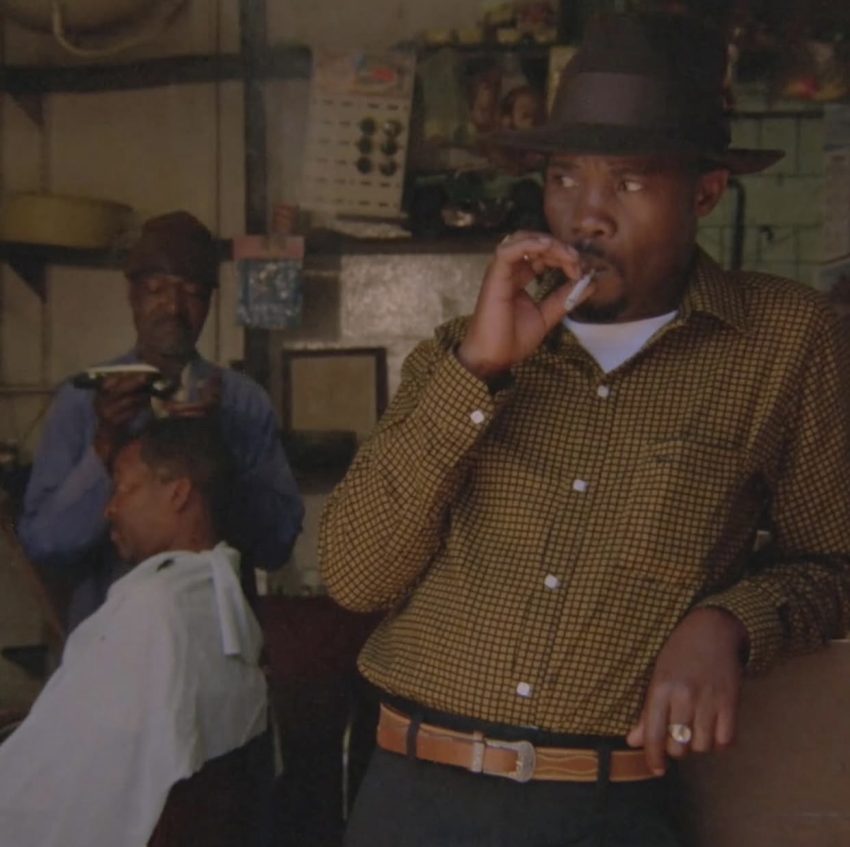
Mapantsula (1988) – Dir. Oliver Schmitz
Widely regarded as a foundational touchstone of anti-apartheid cinema, Mapantsula delivered an uncompromising look at life under state-sanctioned oppression. Co-written by Oliver Schmitz and lead actor Thomas Mogotlane, the film centres on Panic, a petty township gangster (mapantsula) in Soweto who is drawn into the anti-apartheid struggle following his arrest by security police.
Filmed under the radar of apartheid censors under the guise of a standard crime film, Mapantsula exposed the brutal realities of police detention, township uprisings, and racial inequality.
The film made history as the first anti-apartheid feature focused entirely on Black South African perspectives, earning international acclaim at the Cannes Film Festival and establishing a new paradigm for political storytelling in African cinema.
Proteus (2003) – Dir. Jack Lewis and John Greyson
Set in 18th-century Cape Town, Proteus is a poignant historical drama that confronts the intersection of racial hierarchy, colonialism, and forbidden sexuality.
Based on historical court records from Robben Island in the 1730s, directors Jack Lewis and John Greyson tell the story of a decade-long relationship between Claas Blank, a Khoi man, and Rijkhaart Jacobz, a Dutch sailor.
By unearthing archived colonial records, Proteus recovers stories long suppressed by colonial authorities and apartheid historians alike. The film stands out as a vital piece of queer heritage cinema, examining how early colonial laws policed intimacy, identity, and race at the Cape.
The Forgotten Kingdom (2013) – Dir. Andrew Mudge
Framed against the majestic, sweeping landscapes of Lesotho, The Forgotten Kingdom explores themes of ancestral belonging, displacement, and spiritual reconciliation.
Directed by Andrew Mudge, the narrative follows Atang, a young, disillusioned man living in Johannesburg, who travels back to his ancestral village to bury his estranged father.
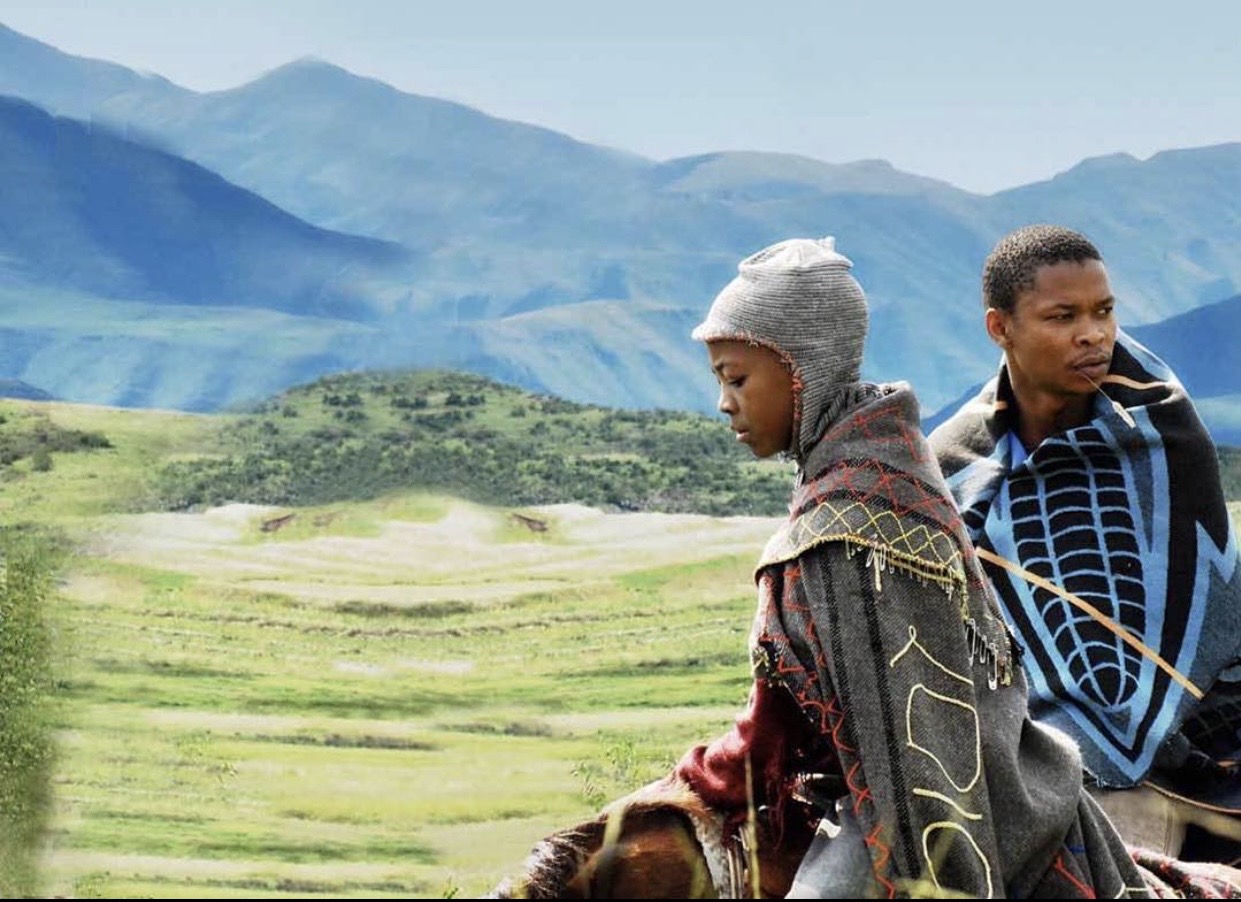
Through stunning visual cinematography and intimate storytelling, the film captures the journey of rediscovering one’s roots, traditions, and community connections.
The Forgotten Kingdom serves as a cinematic tribute to Southern African heritage, highlighting how cultural identity remains tied to land, lineage, and oral tradition.
Also see: MUST-WATCH FILMS AND TV SHOWS IN SOUTH AFRICA THIS SEPTEMBER AND OCTOBER
Variations on a Theme (2026) – Dir. Jason Jacobs and Devon Delmar
Representing the vanguard of modern South African cinema, Variations on a Theme brings a nuanced, contemporary lens to regional storytelling.
Directed by Jason Jacobs and Devon Delmar, the film offers a quiet, deeply atmospheric exploration of memory, domesticity, and social transformation within local communities.
Jacobs and Delmar utilise patient pacing and character-driven focus to capture subtle shifts in family dynamics and generational perspectives. The project highlights the richness of contemporary South African indie film, proving that national heritage is continuously being written and reinterpreted by emerging voices.
Also see: THE POWER OF THE ENSEMBLE: WHY MULTI-CHARACTER DRAMAS ARE MZANSI’S FAVOURITE BINGE-WATCH

About the writer
Rhaees Hanslo
Rhaees Hanslo, an entertainment, lifestyle and narrative writer wrapped up all in one, joined the BONA team in 2026 as an editorial intern. To contact Rhaees, email rhaees.hanslo@habarimedia.com