


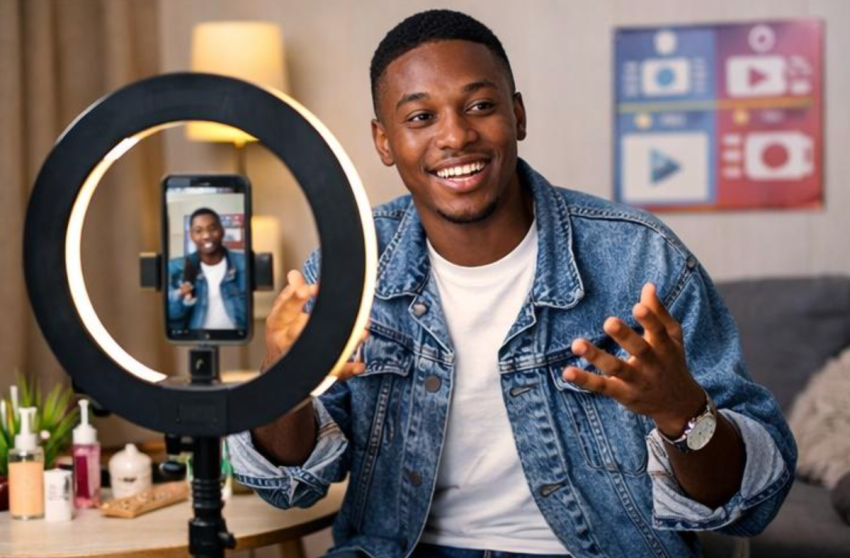
At what point does saying “I’m an influencer” become a career, and at what point does it become a rather polished way of saying, “I don’t currently have a job”?
It is an increasingly relevant question in a world where social media has turned ordinary people into personal brands.
Influencers can make money through sponsored posts, brand partnerships, appearances, affiliate marketing, YouTube, TikTok and other commercial opportunities.
But having followers is not the same as having an income.
Someone can have thousands of followers, receive the occasional free product and attend industry events without earning enough from social media to pay their bills.
That does not mean influencing is automatically fake work.
For some people, it is a genuine career. They negotiate contracts, meet campaign deadlines, produce content, monitor engagement and work with managers, photographers, editors and agencies. Their social-media presence is effectively their workplace.
For others, influencing is something they do alongside an entirely different career.
Teachers create content after school. Lawyers post videos after work. Entrepreneurs use social media to promote their businesses. Corporate employees build audiences outside office hours.
For these people, influencing is a side hustle, not a replacement for their primary occupation.
And perhaps that is where the stereotype becomes unfair.
Not every influencer spends their days taking selfies and waiting for free products. Building an audience, maintaining engagement and producing content consistently can require considerable time and effort.
But the scepticism is understandable too.
Social media makes it difficult to distinguish between someone running a successful creator business and someone who simply enjoys being perceived as one.

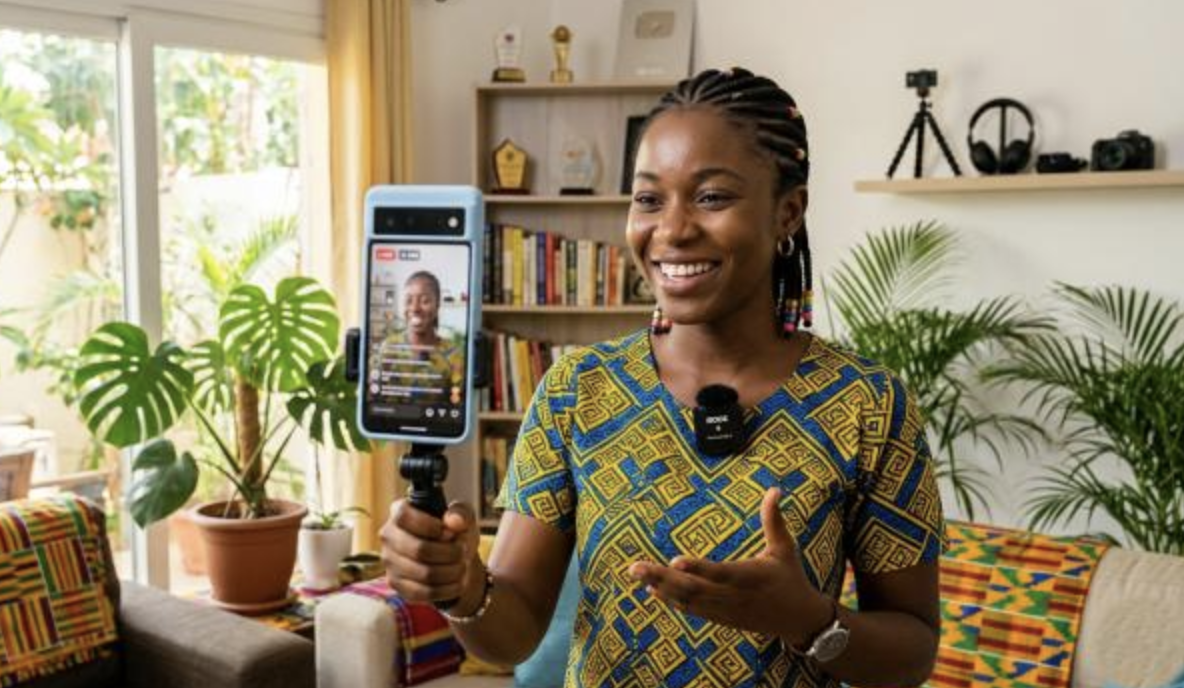
Both can post the designer outfit. Both can attend the exclusive launch. Both can photograph the expensive restaurant.
Both can call themselves an influencer.
Only one may actually be making a living from it.
There is also nothing wrong with trying to turn an audience into an income. In fact, the creator economy has created opportunities that simply did not exist a generation ago.
The question is whether everyone using the title has reached that point.
If nobody is paying you, are you an influencer, or are you simply someone with Wi-Fi, a ring light and a public Instagram account?
Perhaps “influencer” is sometimes a career, sometimes a side hustle and sometimes just an aspiration.
And maybe that is the fairer conclusion.
Influencing can absolutely be a job.
But having followers does not automatically make it one.
Followers may get you noticed. It is what you do with them that determines whether they pay the rent.