


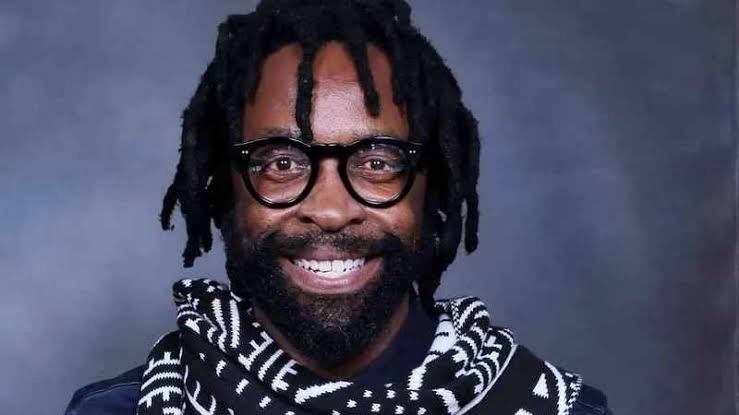
There are some stories that instantly split the timeline in two. One side calls it “bold vision.” The other side says, “Please, be serious.”
That is exactly where DJ Sbu has landed after saying he once rejected a R1 billion buyout offer for MoFaya, the energy drink brand he co-founded. In a country where hustle culture is practically a second language, the statement was always going to get people talking. And it did.
For some South Africans, it sounded like the kind of big swing that defines an entrepreneur who believes in the long game. For others, it felt like classic DJ Sbu: ambitious, headline-grabbing, and just dramatic enough to keep the internet busy for a full day.
The brand at the centre of the noise
MoFaya is not just a random talking point. It is an established South African energy drink brand that has built its identity around African pride, ambition, and self-belief. The company’s own branding leans heavily into that message, positioning the drink as more than just a product on a shelf. It is sold as a mindset, a movement, and a symbol of local hustle.
That context matters.
When DJ Sbu talks about refusing to sell, he is not just talking about a beverage. He is talking about ownership, legacy, and the emotional weight that comes with building something from the ground up in South Africa, where Black entrepreneurship is often celebrated, questioned, and scrutinised all at once.
Why the claim hit such a nerve
Money stories always travel fast online, especially when the number is as eye-watering as R1 billion.
In Mzansi, people are deeply familiar with celebrity business claims, flashy success language, and motivational soundbites. So when DJ Sbu said he turned down a deal of that size, social media responded in the most South African way possible: with jokes, suspicion, applause, side eyes, and memes.
Some people admired the confidence. To them, rejecting a massive offer signals belief in future value and staying power. Others were less impressed, arguing that the claim sounded inflated or overly theatrical. That mixed reaction is part of what has kept the story alive. It is not only about whether the number is real to the public. It is about what the number represents.
More than a drink, more than a soundbite
DJ Sbu has long positioned himself as more than an entertainer. Over the years, he has tied his public image to entrepreneurship, motivation, and ownership. MoFaya has been central to that shift.
That is also why stories like this tend to land differently. For supporters, it fits the bigger narrative of a man trying to build a lasting African brand instead of cashing out early. For critics, it sounds like another self-mythologising moment in a media career built on staying visible.
Both readings can exist at the same time, and that is probably the real reason the story has legs.
DJ Sbu says he rejected a R1 billion buyout offer for MoFaya. pic.twitter.com/YR4FmGvUIt
— Lavish Living (@busiwe_bubu) April 20, 2026
What South Africans are really reacting to
At face value, the argument is about whether DJ Sbu should have taken the money.
But beneath that is something more familiar. South Africans are reacting to a bigger national obsession: what success should look like.
Do you take the bag when it comes, secure your future, and move on? Or do you hold on to ownership because the bigger dream matters more than the immediate payday?
That question hits differently in a local context, where many people are building side hustles, small brands, and personal businesses in a difficult economy. It is easy to see why the story sparked debate. Whether people believed him or not, the claim touched a real nerve.
The bottom line
DJ Sbu says he turned down a R1 billion buyout offer for MoFaya, and the internet has done what it does best: debate it from every angle.
Some see a businessman protecting the future of a homegrown brand. Others see a dramatic claim that sounds too polished to take at face value. Either way, the moment worked. It got people talking about MoFaya, about ownership, and about how South Africans measure success in public.
And maybe that is the sharpest part of the story. Even when Mzansi does not fully buy what you are selling, it will still stop, watch, and argue about it.
Also read: Gareth Cliff warns Julius Malema after prison sentence
Source: Briefly News
Featured Image: Central News South Africa
Be the first to know – Join our WhatsApp channel for content worth tapping into. Click here to join!