
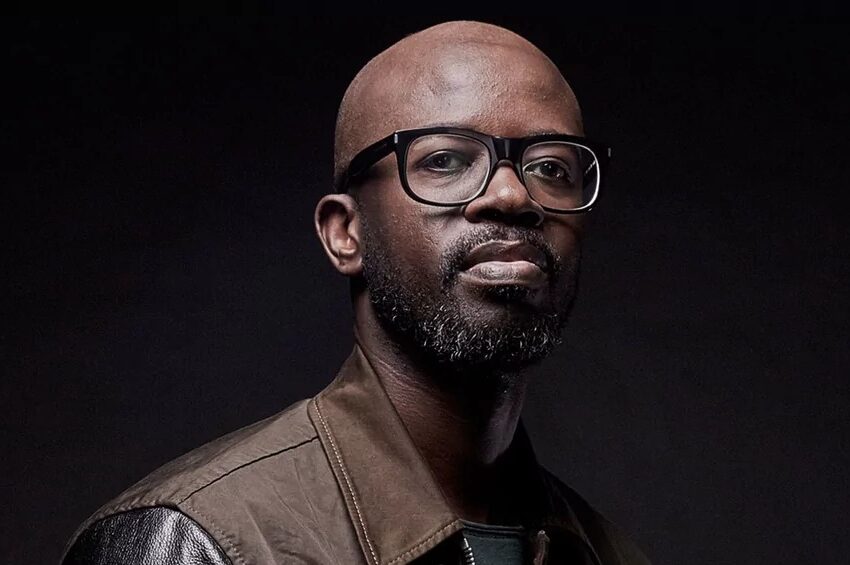
Internationally acclaimed South African DJ and producer Nkosinathi Maphumulo, popularly known as Black Coffee, has publicly distanced himself from a viral social media post that falsely linked him to comments on xenophobia.
The Grammy-winning artist responded after an image circulating online appeared to attribute anti-immigration comments to him amid ongoing debates around immigration and xenophobia.
Also see: Black Coffee makes history at the Arènes de Nîmes in France
Black Coffee dismissed the post as fabricated, making it clear that the statement did not originate from him.
Fake post sparks online debate
The viral image gained traction on social media platforms at a time when conversations around immigration and foreign nationals have intensified across the country. Recent incidents and public demonstrations have reignited discussions about xenophobia, border control and community safety, making the topic particularly sensitive.
Fake news. pic.twitter.com/87bumiFNs9
— Black Coffee (@RealBlackCoffee) June 6, 2026
The post contained Black Coffee’s image and a misspelling of his name, featuring comments that many users initially believed were authentic.
Also see: Shoba celebrates Black Coffee’s success amid bitter divorce
Black Coffee rejected the claims, labelling the content as fake news and distancing himself from the views he has never expressed.
Fans rally behind Black Coffee
Following his response, many fans praised the musician for addressing the misinformation directly. Supporters noted the importance of verifying content before sharing it online, particularly when it involves public figures and sensitive social issues.
“Thanks for the clarification – keep playing great music Sir,” commented one X user.
Wanting to hear his views on illegal immigration and xenophobia, another asked “What’s your stance on it though? Interested to know”
Highlighting the spelling error on the post, one other user on X said “Looks like the writer was referring to Black “Koffe” definitely not you.”
The incident also highlights the growing challenge of misinformation on social media, where fabricated quotes and altered graphics can spread rapidly before being fact-checked.
As one of South Africa’s most influential music exports, Black Coffee’s response serves as a reminder that not everything shared online is authentic. In an era of viral content, verifying information before reposting remains essential to preventing the spread of false narratives and protecting reputations.
Also see: Victoria Gonzalez: ‘I didn’t know Black Coffee was a global star when we met’
Be the first to know – Join our WhatsApp channel for content worth tapping into. Click here to join!