
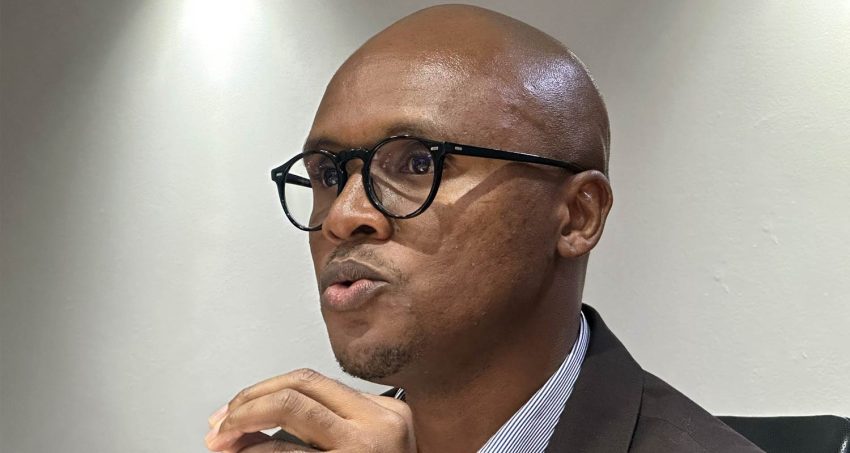
Communications minister Solly Malatsi has withdrawn South Africa’s draft National AI Policy following revelations that it contained fictitious academic references, in what appears to be a case of unverified AI-generated citations making their way into official government policy.
In a statement issued on Sunday evening, Malatsi said the withdrawal was necessary after internal investigations confirmed that the draft policy “contains various fictitious sources in its reference list”.
“This failure is not a mere technical issue. [It] has compromised the integrity and credibility of the draft policy. As such, I am withdrawing [it],” Malatsi said.
The scandal erupted after News24 reported that the policy document, published for public comment earlier this month, cited academic journal articles that don’t exist. The publication found that several authors credited with foundational research had never written on the topics attributed to them.
“The most plausible explanation is that AI-generated citations were included without proper verification. This should not have happened,” Malatsi said in his statement.
The minister said the lapse demonstrated “why vigilant human oversight over the use of artificial intelligence is critical” and promised consequence management for those responsible for drafting and quality assurance.
Setback
The withdrawal represents a significant setback for the government’s AI policy process, which TechCentral has been tracking for months. Cabinet approved the draft policy for public comment just three weeks ago.
The policy had already drawn criticism from prominent technology investor Stafford Masie, who published an open letter to Malatsi through TechCentral last week, warning that the document risked “regulating away” South Africa’s participation in the global AI economy by prioritising governance over infrastructure investment.
Read: Withdraw AI policy, Malatsi told, as fake citations row grows
The revelation that the policy may have been compiled using AI tools – and contained fabricated citations – adds an additional layer of irony to the controversy surrounding a document meant to govern the very technology that appears to have undermined its credibility.
Malatsi said South Africans “deserve better” and that the department of communications & digital technologies “did not deliver on the standard that is acceptable for an institution entrusted with the role to lead South Africa’s digital policy environment”.

Public comment on the draft policy was due to close on 10 June. It is unclear when a revised version will be published.
“I want to reassure the country that we are treating this matter with the gravity it deserves,” Malatsi said in his statement. — (c) 2026 NewsCentral Media
Get breaking news from TechCentral on WhatsApp. Sign up here.