
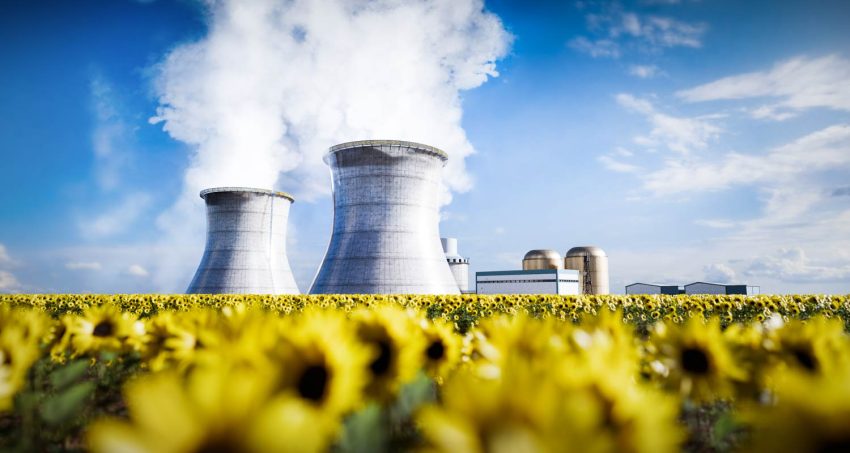
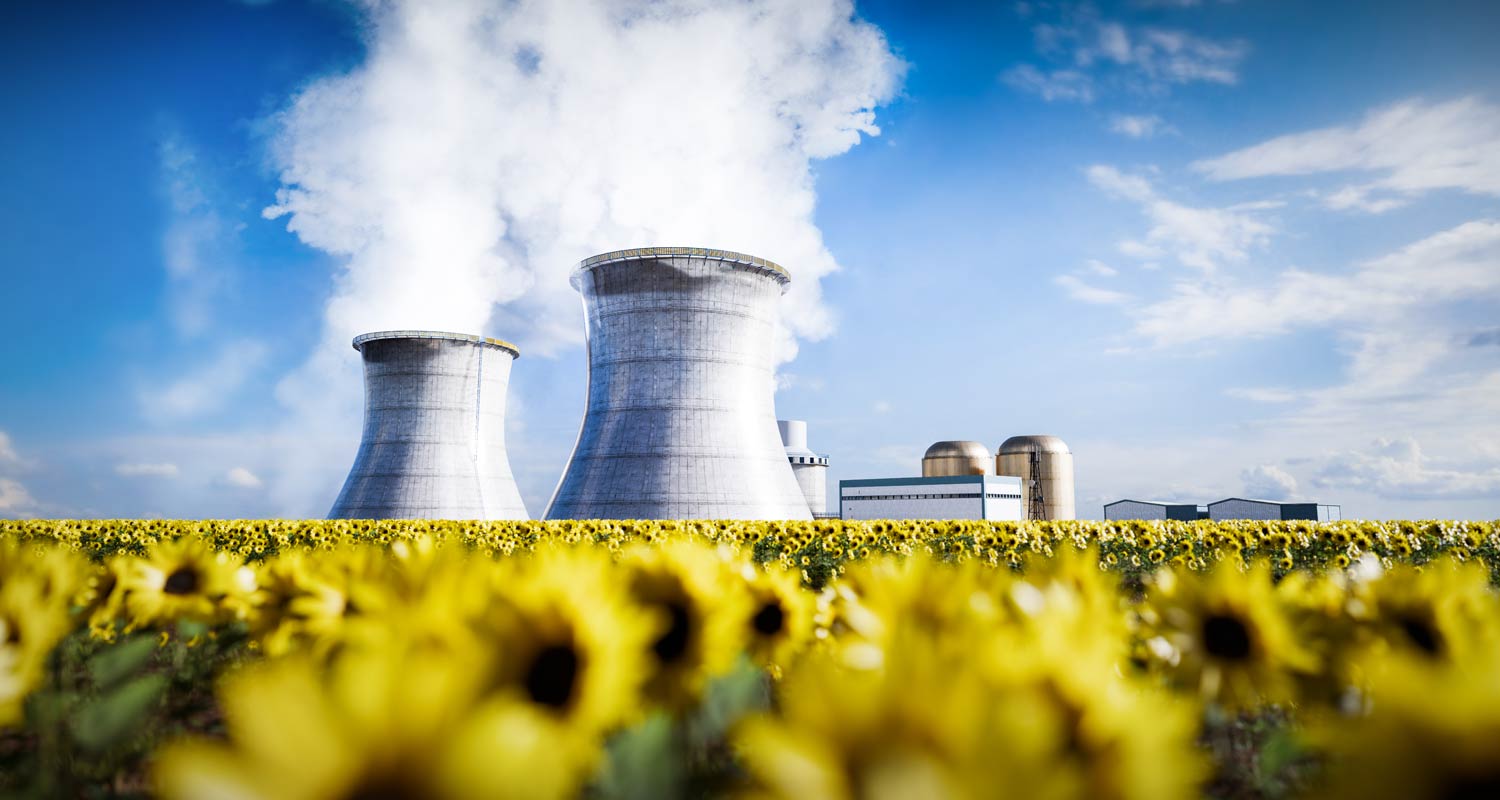
Big Tech is reshaping the funding landscape for new nuclear technologies as it seeks to bolster electricity supply for power-hungry AI data centres, inking deals that offer nuclear companies both funding and a clearer path to making money.
Several US firms are developing new modular reactors that are smaller, more advanced and scalable than conventional nuclear plants. But none have begun commercial electricity production yet as projects face challenges such as financing constraints and first-of-its-kind risks.
However, the race to secure adequate energy to power data centres amid the burgeoning demand from AI is giving a fresh boost to the sector.
In January, Meta Platforms agreed to help fund the development of two Terrapower units capable of providing as much as 690MW of power. It has also signed a deal with Oklo to develop a 1.2GW nuclear technology campus in Ohio.
Amazon, meanwhile, is working with X-energy to bring online more than 5GW of small modular reactors in the US by 2039, while Google has signed an agreement with Kairos Power, aiming to bring online its first small modular reactor by 2030.
With these deals, tech giants introduce their top-rated corporate balance sheets into a sector historically reliant on the highly regulated utility rate bases, said Shioly Dong, senior analyst at BMI, a unit of Fitch Solutions. “They create the revenue certainty that commercial banks will require for the construction debt.”
Modular reactors
US electricity use is poised to increase by 1% this year and 3% next year, according to the Energy Information Administration, driven largely by data centre demand.
Against this backdrop, small modular reactors are emerging as more financeable nuclear alternatives because their modular scale and shorter construction timelines reduce upfront capital exposure, said Tim Winter, portfolio manager of the Gabelli Utilities Fund (Gabux) at Gabelli Funds, adding that he is closely monitoring companies like NuScale and Oklo.
“The industry needs ‘someone’ to take on the risks of cost overruns and delays. The degree the hyperscalers are willing to do that will determine just how much of a boost [these agreements give the sector],” he added.
Read: How liberalisation is rewiring South Africa’s power sector
AI demand is prompting customers to enter into long-term agreements that can support project development, said Oklo spokesman Bonita Chester. The company’s agreement with Meta, for instance, includes funding to help secure nuclear fuel and advance the first phase of its Ohio project.
The prospect of long-term power buyers is also drawing the interest of some institutional investors to the sector, which has historically depended on government support and venture capital funding.
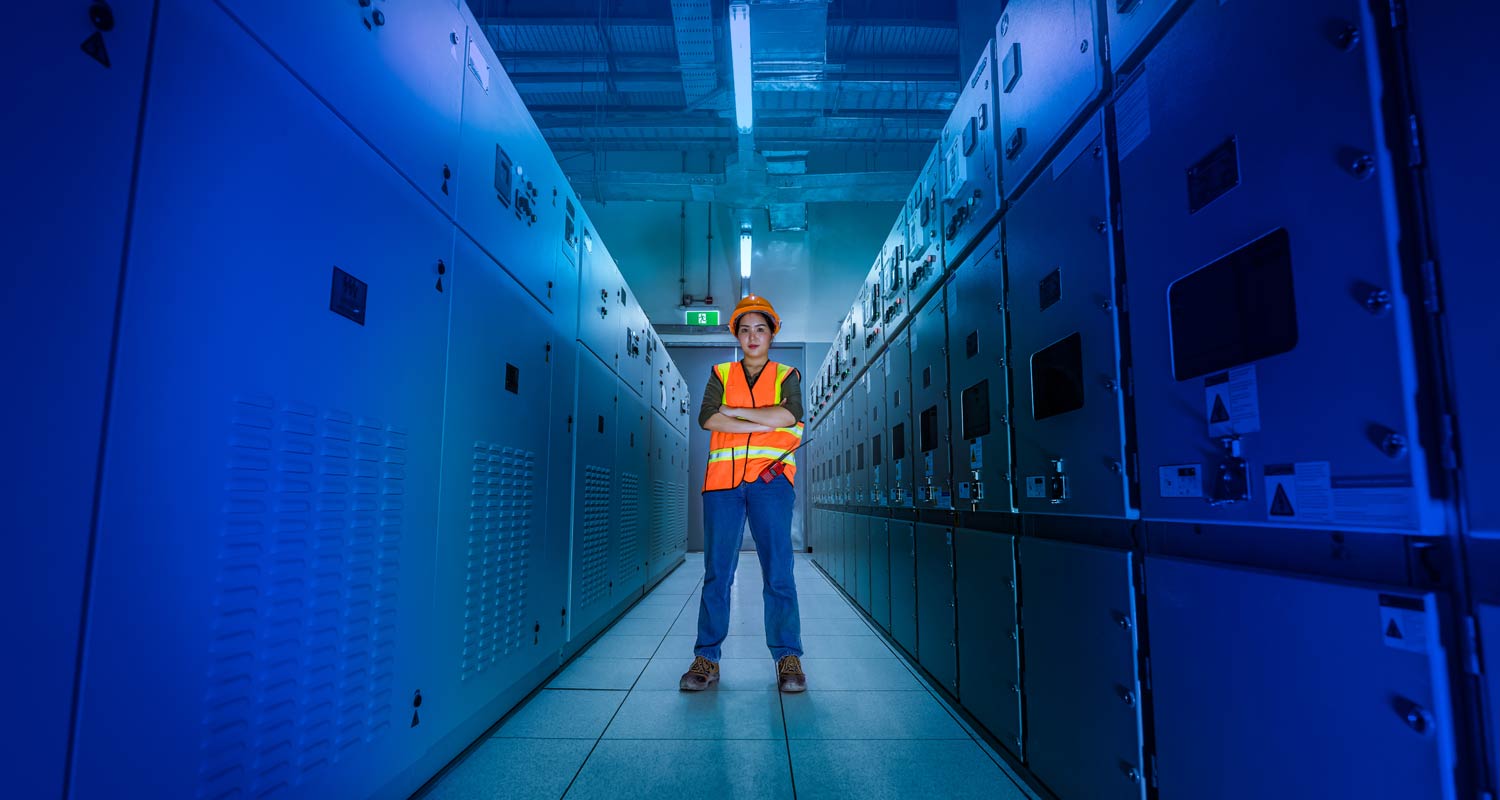
“We have started to hear that banks are getting excited and interested in deal-making in the space, which would be a big development – we haven’t seen that yet,” said Tess Carter, associate director of the energy and climate practice at Rhodium Group.
However, the industry, described by analysts and experts as “advanced nuclear”, still faces many hurdles, including high construction and technology risks, due to which institutional investors, while interested, are not yet stepping into the sector at scale.
Read: South Africa’s energy future hinges on getting wheeling right
A looming skills shortage and competition with other industries — including data centres — for workers like electricians and pipefitters could become a chokepoint as the industry looks to scale up, a recent report by the Nuclear Scaling Initiative noted.
“Commercialisation and large-scale deployment still depend on execution across licensing, fuel supply, construction and financing, so demand alone is not the only factor in accelerating commercialisation of advanced nuclear,” said Oklo’s Chester. — Kavya Balaraman, (c) 2026 Reuters
Get breaking news from TechCentral on WhatsApp. Sign up here.