
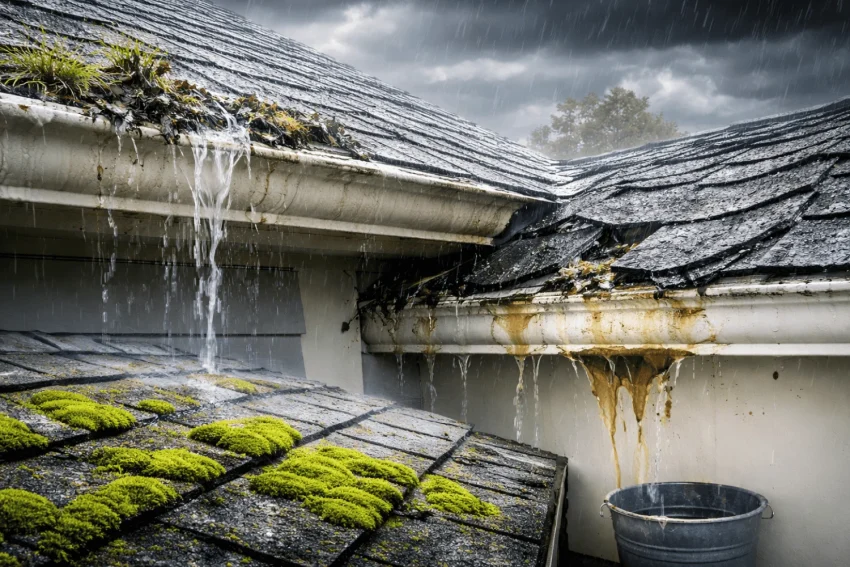
A small crack or worn section of roof waterproofing might not seem serious at first, but over time, water can seep in, especially during heavy rain or storms.
Early warning signs you shouldn’t ignore
Most people don’t think about their roof until there’s a problem. With proper maintenance, like the approach taken by Connoisseur Roofs, roof waterproofing often shows signs of failure long before a visible leak appears.
One of the first signs is water stains on ceilings or walls. You might also notice damp walls, peeling paint or bubbling plaster. These are usually early indicators that moisture is getting in where it shouldn’t. In some cases, you may even see slight discolouration spreading over time – a sign that the issue is gradually getting worse.
Small problems don’t stay small
A small crack or worn section of roof waterproofing might not seem serious at first, but over time, water can seep in, especially during heavy rain or storms.
This can lead to damage inside your roof structure, affect insulation, and even cause mould to develop. If you start noticing a musty smell indoors, it’s often a sign that moisture has already been present for a while. The longer it’s left untreated, the more damage it can cause behind the scenes.
Catching these issues early makes a big difference. What could have been a simple fix can quickly become a much bigger, more expensive problem if ignored.
Weather plays a bigger role than you think
Roofs are constantly exposed to the sun, rain, and changing temperatures. Over time, this causes materials to expand, contract and eventually weaken.
Roof waterproofing is designed to handle these conditions, but it doesn’t last forever. Seasonal changes, especially in areas with heavy summer rains and strong sunlight, can accelerate wear and tear. Regular checks help spot early signs of damage before they become serious.
What to look for on the roof itself
Sometimes the warning signs are right in front of you. Broken or missing tiles, rust on metal roofing, or areas where water collects after rain are all clear red flags.
Cracks in concrete roofs or worn seals around edges and joints can also affect roof waterproofing. If water isn’t draining properly, it increases the risk of leaks and long-term damage. Even blocked gutters can contribute to water build-up, putting extra strain on the roof.
Don’t wait until it’s too late
If you notice any of these signs, it’s best to act sooner rather than later. Waiting usually leads to more damage and higher repair costs down the line.
Roof waterproofing isn’t just about fixing leaks when they happen; it’s about preventing them altogether. Connoisseur Roofs focuses on addressing these risks early to avoid costly repairs.
With the right attention and maintenance, your roof can continue to protect your property, keeping it safe, dry, and in good condition for many years.
Support Local Journalism
Add The Citizen as a Preferred Source on Google and follow us on Google News to see more of our trusted reporting in Google News and Top Stories.