
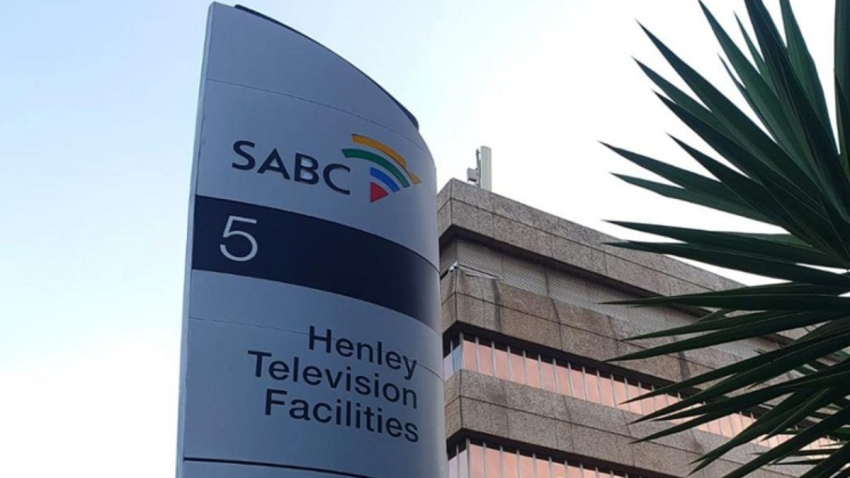
The SABC wants to move away from TV licences as its main public funding model after years of weak collections and rising non-payment.
The broadcaster and the Department of Communications and Digital Technologies are discussing what should replace the current system.
The move comes as the SABC continues to battle financial pressure.
More than one million TV licence numbers in South Africa are linked to non-payment.
By the 2024/2025 financial year, the TV licence evasion rate had reached 85%.
An April report by the Auditor-General of South Africa found that 73% of unpaid licence numbers were linked to government entities and officials.
New model expected in SABC Bill
The department has previously said the revised SABC Bill will include a new funding model.
That final version is expected to be submitted in the 2027/2028 financial year.
Communications Minister Solly Malatsi said in May that a funding model study had been completed and that steps were being taken to decide the way forward.
Research institute BMIT was contracted to conduct the study.
BMIT managing director Chris Geerdts presented preliminary findings to Parliament’s communications committee in a closed meeting.
According to the available findings, the SABC will need both commercial revenue and public funding to deliver its mandate sustainably.
SARS and municipalities considered
Several possible alternatives are being considered.
These include household fees, an individual levy, government grants and other new funding options.
BMIT also considered a scenario where the SABC receives no tax funding.
One proposal would move collection away from the SABC and make municipalities, utilities or the South African Revenue Service responsible for collecting fees from the public.
Commercial options under consideration include advertising, sponsorships, intellectual property licensing and subscription models.
Geerdts also said easing some public mandate quotas could help the broadcaster manage costs.
SABC still losing money
The SABC posted a net loss of R253.3 million in the 2024/2025 financial year.
The broadcaster will receive R234 million a year for the next three years from the Department of Communications to fund public service mandate content.
Most of this programming will be educational and children’s content.
But the SABC said the R704 million total will not be enough to meet its public service obligations.
It said it must still generate R1.766 billion from other mandated content without government funding.
“The government allocation is currently not sufficient, and so commercial revenue must cover public service mandate content,” the SABC said.
The broadcaster said it needs a properly funded and sustainable model over the long term.