

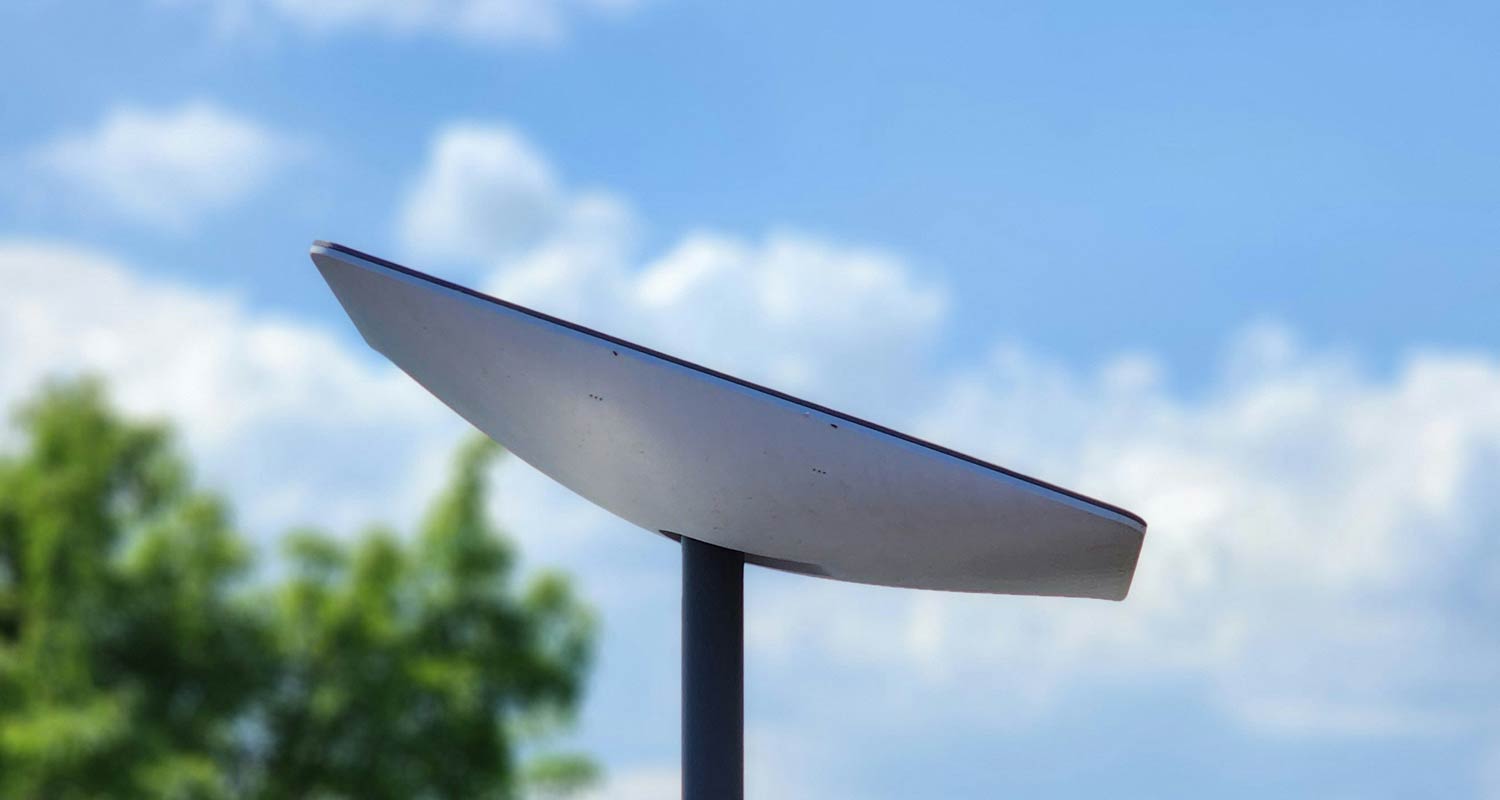
Uganda has become the latest African country to clear the way for Elon Musk’s Starlink, signing an operational licence agreement with the satellite broadband provider even as South Africa’s own licensing process remains deadlocked over black empowerment rules.
The Uganda Communications Commission (UCC) said it signed a memorandum of understanding and an operational licence agreement with Starlink on Friday, allowing the SpaceX unit to begin offering its low-Earth-orbit (LEO) satellite internet service in the East African country. The signing was witnessed by President Yoweri Museveni, who said Uganda’s priorities in the deal were “security, revenue assurance and proper accountability” in the telecommunications sector.
In a public notice, the UCC described Starlink’s entry as a milestone in the country’s digital transformation, saying the service would expand consumer choice, stimulate competition and help address coverage gaps that terrestrial networks have failed to close.
The regulator stressed that the licensing review had been a “careful and comprehensive assessment”, covering consumer protection, lawful interception obligations, data protection, network integrity, revenue assurance and operational accountability.
Starlink already operates in more than 20 other African countries, among them Zimbabwe, Mozambique, Botswana, Nigeria, Kenya and Rwanda. South Africa – the country of Musk’s birth – is not among them.
Uganda’s licensing did not happen quickly or smoothly. Starlink terminals had been finding their way into the country for years through the company’s international roaming feature, with kits bought and activated in jurisdictions where the service was authorised and then carried across the border. The UCC’s executive director, Nyombi Thembo, said in January that this use was unlawful without a local licence, and that several pre-licensing requirements set by the commission remained unmet.
Regulatory squeeze
The regulatory squeeze tightened ahead of Uganda’s January 2026 general election. On 19 December 2025, the Uganda Revenue Authority restricted the importation of Starlink equipment, requiring written clearance from the chief of defence forces – General Muhoozi Kainerugaba, the president’s son – for any kit entering the country.
Days later, following a complaint from Uganda, Starlink disabled its network nationally, switching off all terminals operating in the country from 1 January 2026. The company said it had never marketed or sold its service in Uganda directly, and that it remained willing to meet local licensing conditions.
Read: Icasa caught in the political crossfire over Starlink
That episode – a regulator forcing a foreign satellite operator to power down, followed months later by a negotiated licence – is the backdrop to Friday’s agreement. It shows how seriously the Ugandan state treats control over communications infrastructure, and it explains the language in the UCC’s notice about lawful interception and accountability.
There is, indeed, a significant caveat for anyone expecting Starlink to guarantee Ugandans an open line to the world. Uganda has a well-documented record of cutting internet access during politically sensitive periods.
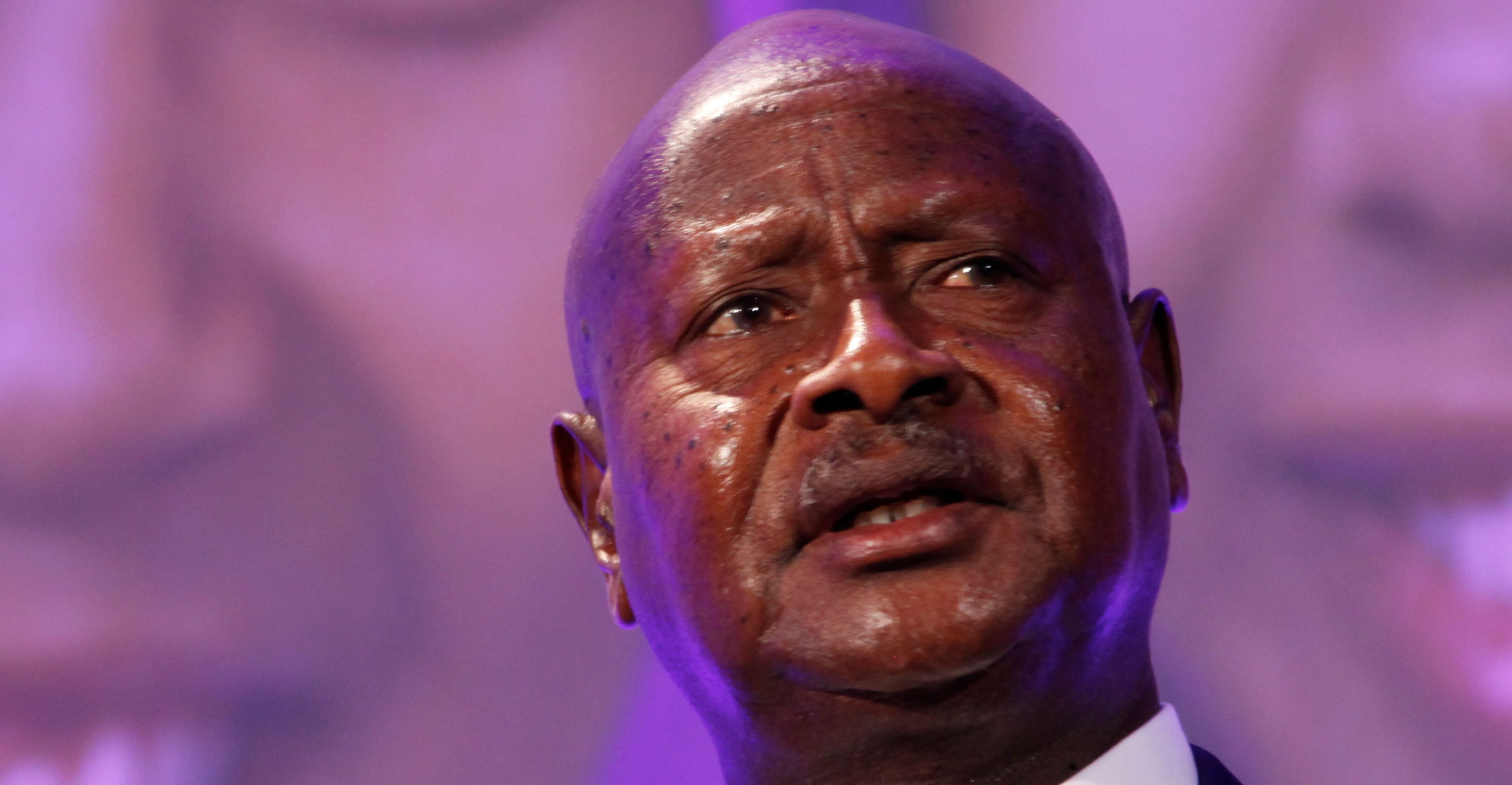
In the January 2021 election, the government imposed a nationwide blackout lasting roughly 100 hours that affected more than 10 million users, and Facebook has remained officially blocked in the country since that vote.
The pattern repeated in 2026: on 13 January, two days before the general election, the UCC ordered all mobile operators and internet service providers to suspend public internet access nationwide, citing misinformation and electoral fraud concerns.
Human Rights Watch said the directive blocked social media, web browsing, streaming, messaging and most online services, leaving only a narrow list of critical systems running.
Crucially, satellite services such as Starlink operate independently of the national fibre and mobile networks that those shutdown orders typically target – which is precisely why some governments tend to view them warily.
Starlink remains unlicensed in South Africa, where the Electronic Communications Act requires individual licensees to be 30% owned by historically disadvantaged groups, and SpaceX has said repeatedly that it will not sell equity in its local unit.
Communications minister Solly Malatsi has tried to open a path through equity equivalent investment programmes (EEIPs), which would let foreign operators meet their transformation obligations through local investment rather than share sales.
Read: ICT sector BEE code under the microscope as Starlink circles
But on 13 May, communications regulator Icasa effectively rejected that route, saying it cannot recognise EEIPs without an amendment to the act itself. Malatsi has said he will pursue that legislative change, but the ANC and EFF have opposed the EEIP approach at every turn, and SpaceX has yet to lodge a formal licence application. – © 2026 NewsCentral Media
Get breaking news from TechCentral on WhatsApp. Sign up here.