

49 seconds
With South Africa’s online retail sector projected to reach R159 billion in 2026, an expansion of roughly R29 billion in a single year, according to World Wide Worx, Cyber Monday has become one of the busiest digital shopping days on the calendar.
Also see: HOW TO AVOID COMMON ONLINE BANKING SCAMS
Yet as legitimate deals surge, so do sophisticated cybercriminals looking to exploit bargain hunters. Navigating the sales safely means knowing how to spot red flags before you pay while keeping your rands circulating within local South African businesses.
Why Cyber Monday attracts so many online scams
Scammers thrive on urgency, cloned branding, and shoppers rushing through checkout pages.
Ahead of the November 2026 shopping rush, Truecaller reported identifying 23.91 billion spam calls in South Africa between January and August 2026, averaging 98 million a day, with its South African Market Development Director Mmathebe Zvobwo warning that fraudsters rely on shoppers being at their most excited and rushed.
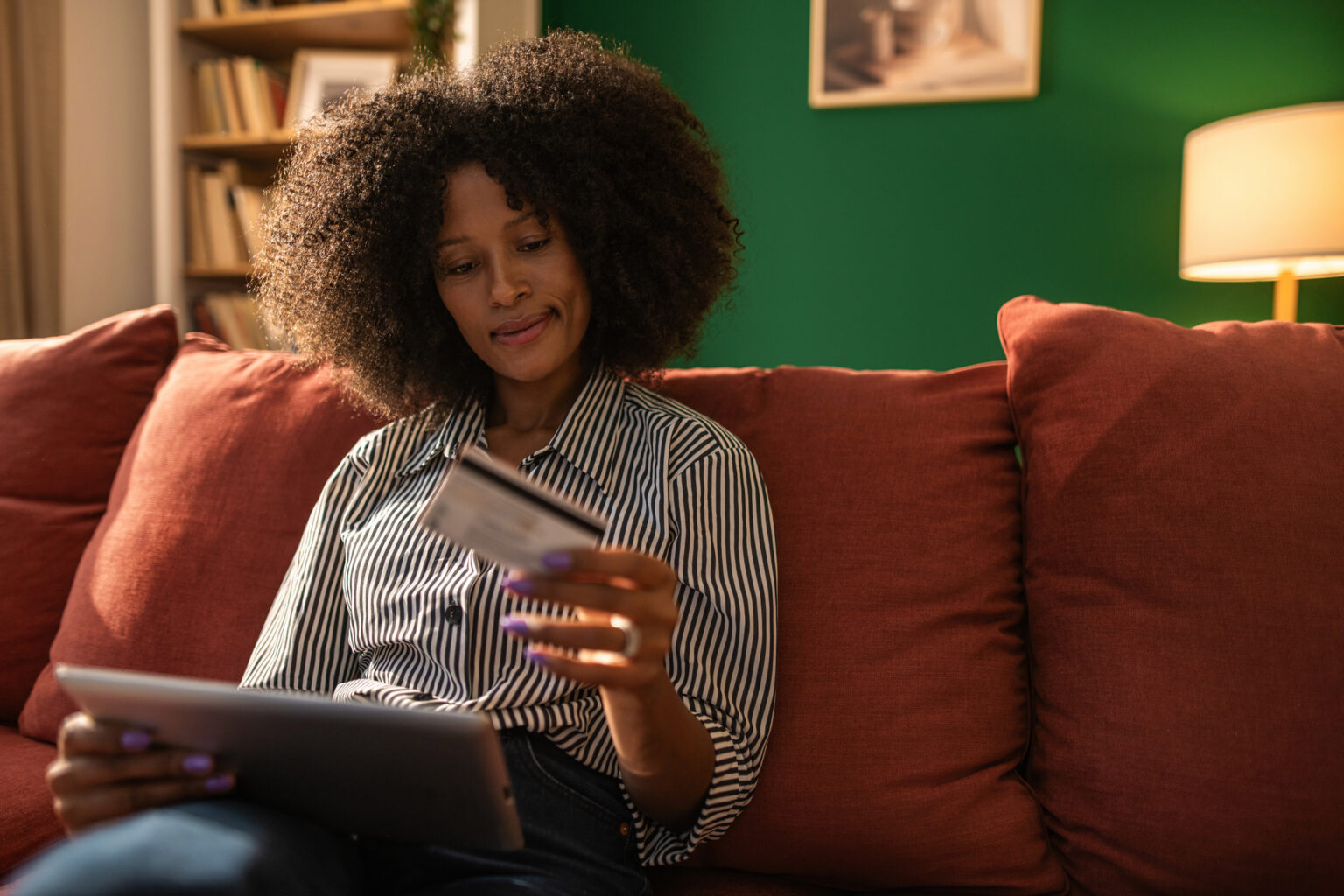
Globally, cybersecurity firm Check Point Software Technologies has tracked sharp spikes in newly registered domains imitating popular retail brands and delivery services in late November.
Locally, the South African Banking Risk Information Centre (SABRIC) and the Southern African Fraud Prevention Service (SAFPS) continue to warn consumers against phishing links, fake bank alerts, and spoofed courier messages asking for small ‘release fees’ or one-time PINs (OTPs).
Also see: 5 COMMON WHATSAPP SCAMS TO WATCH OUT FOR
Practical checks to keep your banking details safe
Before entering your card number on any sale page, digital safety specialists, including UNISA’s ICT cybersecurity advisories, the National Consumer Commission (NCC), and RCS customer operations executive Audrey Roberts, recommend a few simple habits:
- Type the URL directly: Never click promotional links sent via unsolicited SMS, WhatsApp, or email. Visit the retailer’s official website or app directly and inspect the full web address for subtle misspellings.
- Guard your OTPs and use virtual cards: No legitimate store or courier will ever ask for your banking password, PIN, or OTP. Use a virtual card or a dedicated low-limit card for online checkouts, and avoid shopping over public Wi-Fi.
- Verify the seller’s footprint: Check for a physical South African address, a working customer service number, a clear returns policy, and trusted local payment gateways such as PayFast, Peach Payments, Yoco, or Ozow.

How to champion local South African e-commerce
Shopping safely also opens the door to backing homegrown entrepreneurs. Rather than defaulting solely to massive international marketplaces, look out for local makers, skincare brands, fashion labels, and independent retailers verified through initiatives like Proudly South African or established local marketplaces.
Check social media tags, customer reviews, and verified merchant checkouts, and if a deal ever feels questionable, report suspicious sites to the .za Domain Name Authority (ZADNA) or alert your bank immediately.
Featured image: iStock/Jacob Wackerhausen
Also see: HOW TO BOOK HOLIDAY ACCOMMODATION SAFELY AND AVOID SCAMS
Be the first to know – Join our WhatsApp channel for content worth tapping into. Click here to join!
About the writer
Rhaees Hanslo
Rhaees Hanslo, an entertainment, lifestyle and narrative writer wrapped up all in one, joined the BONA team in 2026 as an editorial intern. To contact Rhaees, email rhaees.hanslo@habarimedia.com