


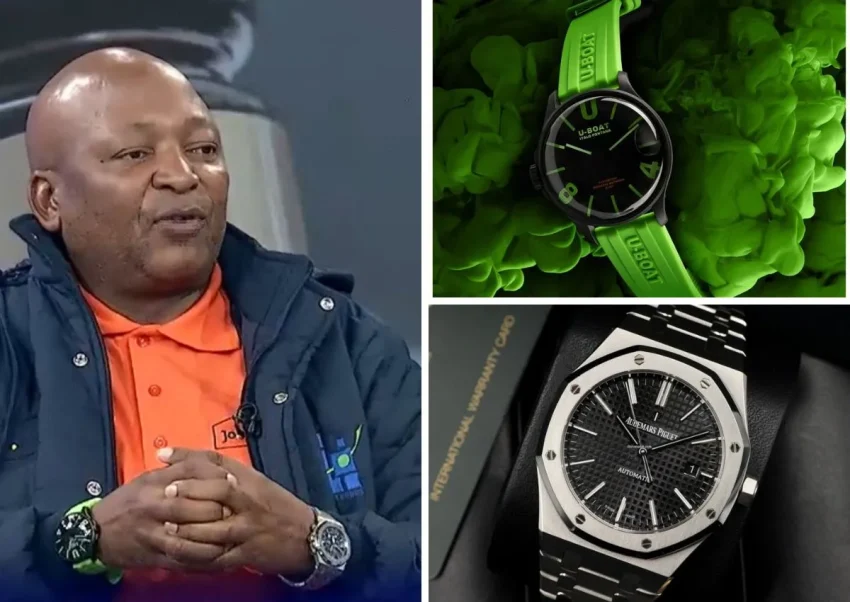
South Africans are finally waking up to the value of alternative assets. As the rand strengthens against the dollar, items like luxury watches, jewellery and handbags are becoming more attainable. Better still, unlike property in South Africa, the barrier for entry to these globally recognised assets is lower.
This is the assertion of the 2025 report on the State of the Luxury Market in Africa, reports Daily Investor. Into its eighth year, the report says South Africans are leaving austerity behind. Increasingly they are investing into alternative assets now that the returns are rivalling and beating traditional investments.
ALTERNATIVE ASSETS
Likewise, the second-hand market for alternative assets is expanding three-times faster, says Luxity co-founder Michael Zahariev. “A 10% annual growth rate indicates that South Africans are increasingly treating designer pieces like financial investments,” Zahariev says.
“Luxury watchmaker, Rolex, has broken every barrier possible. Pre-owned pieces now command 126.5% over the retail price. This premium reflects true value and buyers willing to pay to bypass multi-year waiting lists,” explains Zahariev. This is not dissimilar to limited-edition luxury/performance cars, by controlling supply over demand, Rolex has effectively created and protecting its own asset.
HOW OTHER LUXURY ITEMS COMPARE
Rolex’s brand equity and sophisticated resale infrastructure make it uniquely resilient within alternative assets. They are less exposed to market fluctuation and economic cycles, compared with other traditional investments. And the 126.5% price performance is stronger than any other luxury brands, according to the report:
- Panerai – 79.2%
- Hublot – 74.3%
- Cartier – 72.6%
- Hermès – 67.8%
- Bulgari – 64.3%
ALTERNATIVE ASSETS OUTPERFORMING PROPERTY


@SunflowerSrina
Furthermore, luxury time pieces like Rolex are even outperforming South Africa’s property market. Rolex resale values have climbed markedly – from 87.5% in 2021 to 104.9% in 2024 and 126.5% in 2025. Plus, trading activity for luxury goods in South Africa has exploded by 184% since COVID, with watches alone surging 28% in the past year, confirms the report.
“These aren’t vanity purchases anymore,” Zahariev says. “Buyers are running the same due diligence on a luxury time piece as they would on a JSE-listed stock. And in many cases, they’re outperforming the stock market. However, it’s important that buyers target scarcity, durability and strong resale potential,” he concludes.
But what do you think? Are you willing to invest money into alternative assets in this economic climate? Be sure to let us know in the comments section below …