
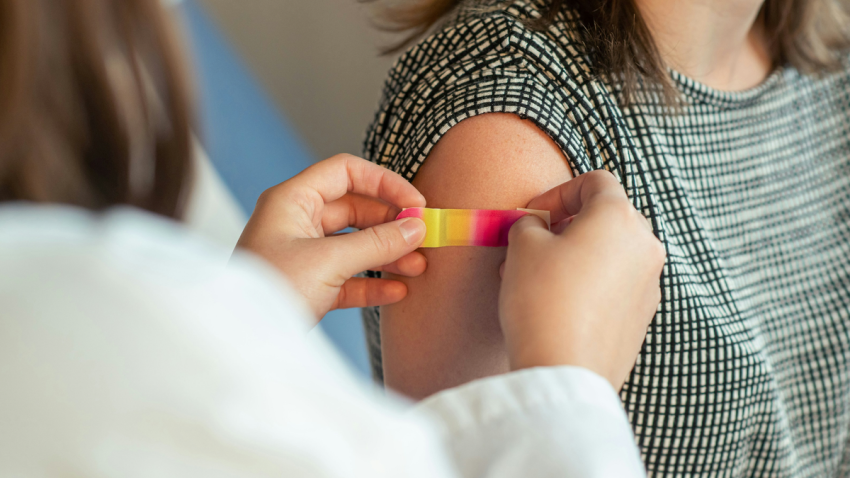
Infant immunisation coverage in the Western Cape has dropped to 67.4%, leaving the province well below the level health officials say is needed to protect communities from preventable diseases.
The figure applies to children under one year during the 2024/25 period. It is also slightly lower than the 67.6% coverage recorded in 2023/24.
Thousands of infants remain vulnerable
The Western Cape Department of Health and Wellness says immunisation coverage should ideally reach 90% to achieve herd immunity.
“This is a significant gap that leaves thousands of infants vulnerable to preventable diseases,” department spokesperson Shimoney Regter said.
Routine childhood vaccinations form part of South Africa’s Expanded Programme on Immunisation. Vaccinations begin at birth and continue through childhood, with immunisations available up to the age of 12.
They protect children against illnesses including tuberculosis, polio, diphtheria, tetanus, whooping cough, hepatitis B, measles and rotavirus diarrhoea.
Why immunisation rates are under pressure
According to the department, childhood vaccination coverage has faced pressure since the Covid-19 pandemic disrupted routine health services.
Officials say vaccine hesitancy and misinformation have added to the problem, with some parents delaying or refusing vaccinations.
Low vaccination coverage can leave children exposed to diseases capable of causing serious complications such as pneumonia, diarrhoea, brain infections and blindness. Babies under two and malnourished children can face particularly serious risks.
Parents urged to check vaccination records
Health officials are using clinic services, outreach programmes, mobile teams and door-to-door initiatives to improve immunisation coverage.
Parents and caregivers are being urged to check their child’s Road-to-Health Booklet for missed vaccinations.
Children who have fallen behind can still receive catch-up immunisations at public health facilities. No appointment is required and childhood vaccinations are provided free of charge.
“Even a small drop in immunisation coverage can undo years of progress. Immunisations are safe, free at public clinics and save lives,” Regter said.

I’m a writer, editor and software developer at Newsroom ZA.
I build things, break them (on purpose), then turn the chaos into clean, readable stories. You’ll usually find me bouncing between breaking news, politics and entertainment.