


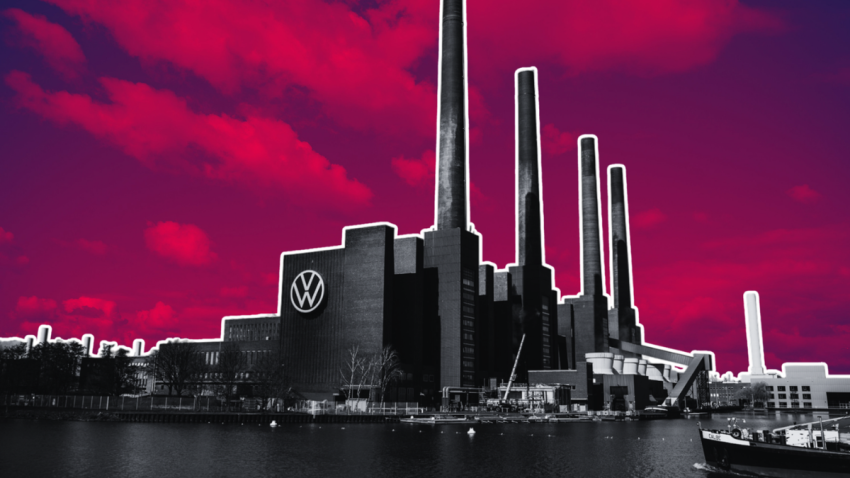
Volkswagen Group is reportedly considering one of the biggest restructuring plans in automotive history.
The German carmaker could close four factories and cut up to 100 000 jobs worldwide as it battles tougher global market conditions.
According to Reuters, VW’s supervisory board was informed in late June that the company was considering closing factories in Hanover, Zwickau, Emden and Audi’s Neckarsulm plant.
Those closures could put another 45 000 jobs at risk.
That would add to more than 50 000 jobs already facing possible cuts.
Global pressure hits VW
Volkswagen is under pressure from rising Chinese competition, US import tariffs and weaker demand in key markets such as the European Union.
CEO Oliver Blume reportedly presented the proposals to senior executives before a supervisory board meeting scheduled for 9 July.
The plans have already drawn opposition from German labour unions.
VW has declined to comment on what it described as confidential documents.
However, the company acknowledged that the group, including its brands and subsidiaries, must undergo “far-reaching change”.
Investors have also reacted cautiously, with VW shares reportedly trading at their lowest level in 16 years.
SA plant questions raised
The restructuring has raised questions about Volkswagen’s South African operations.
VW has a production plant in Kariega in the Eastern Cape, where it assembles the Polo and Polo Vivo hatchbacks for African and European markets.
National Association of Automotive Component and Allied Manufacturers CEO Renai Moothilal said it was still too early to comment on the reported cuts until VW confirms the plans.
Speaking to The Money Show, Moothilal said VW’s situation reflects broader structural changes across the global car industry.
He said South Africa is seeing stronger import pressure, especially from China and India.
Imports reshape local market
Moothilal said Chinese brands now account for almost 17% of the South African market.
He warned that this creates uncertainty for an industry that supports more than 100 000 direct manufacturing jobs and more than 300 000 jobs in retail, aftermarket sales and services.
He said South Africa’s market differs from Europe because electric vehicles have not yet taken off in large numbers locally.
However, he warned that imported vehicles often arrive with their own replacement parts, which can erode opportunities for local component makers.
Moothilal said South Africa could still benefit if it attracts emerging car brands to manufacture locally.
He said the country should move quickly to secure partnerships with Chinese new energy vehicle producers and ensure more production happens in South Africa.