
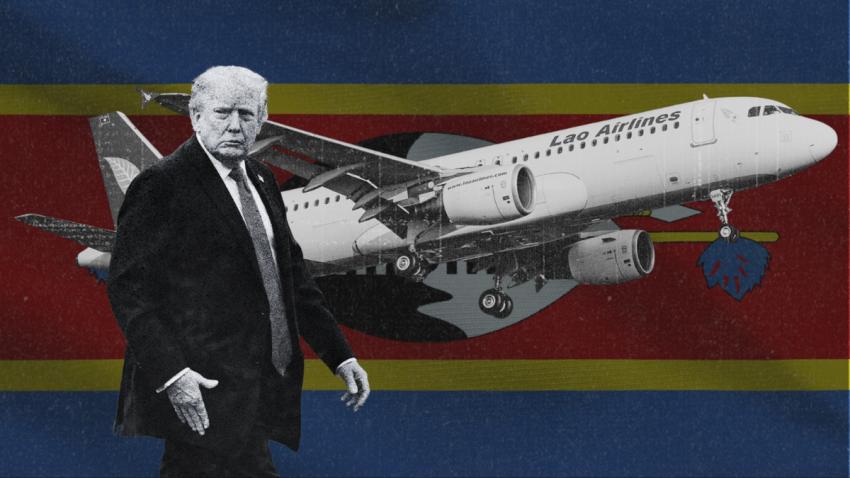
A Lao citizen deported by the United States to Eswatini has been released after spending more than a year in detention and travelled through Johannesburg while on his way to Laos.
Phone Chomsavanh was released from the Matsapha Correctional Complex on Sunday, 4 October, according to his US-based lawyer, Tin Thanh Nguyen.
The Associated Press reported that Nguyen later confirmed Chomsavanh had left Eswatini and landed in Johannesburg while travelling onward to Laos.
More than a year in Eswatini
Chomsavanh was among five people sent by the US to Eswatini in July 2025 as part of the Trump administration’s controversial third-country deportation programme.
The five had no ties to Eswatini.
According to AP, they had previously been convicted of serious crimes in the United States but had completed their sentences before being transferred to the Southern African kingdom.
Nguyen said Chomsavanh was informed only shortly before arriving in Eswatini that he was being sent there.
He was subsequently held at the Matsapha Correctional Complex for more than 14 months.
Johannesburg stop confirmed
Earlier reports had raised questions over whether Chomsavanh had entered South Africa after leaving Eswatini.
His lawyer has now confirmed that he landed in Johannesburg before continuing his journey to Laos.
However, separate allegations that other US deportees have been secretly released from Eswatini and allowed to enter South Africa through informal border crossings remain unverified.
Swaziland News reported those claims citing unnamed sources.
Eswatini paid to receive deportees
The US paid Eswatini $5.1 million to accept deportees under the programme, according to AP.
Around 30 people have reportedly been sent to Eswatini under the arrangement.
The programme has drawn criticism from human rights organisations over the detention of people in countries to which they have no connection and concerns about access to legal processes.
Chomsavanh’s release confirms that at least one of the deportees has now left Eswatini, although questions remain over the handling and movement of others sent to the kingdom.