
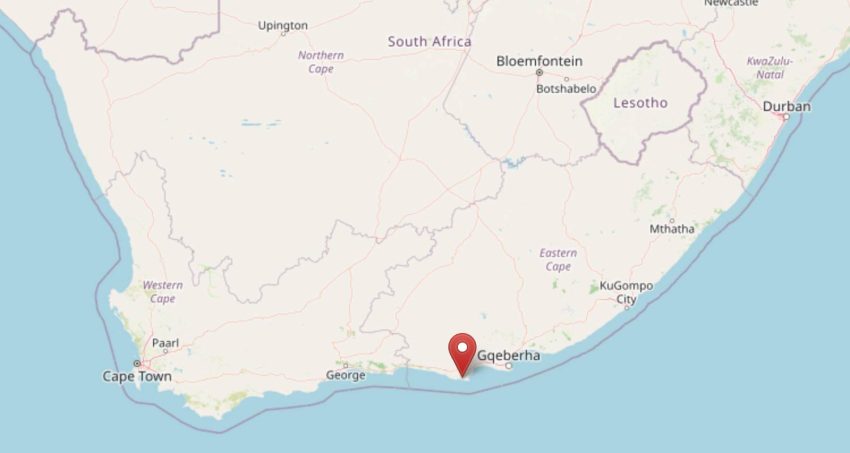
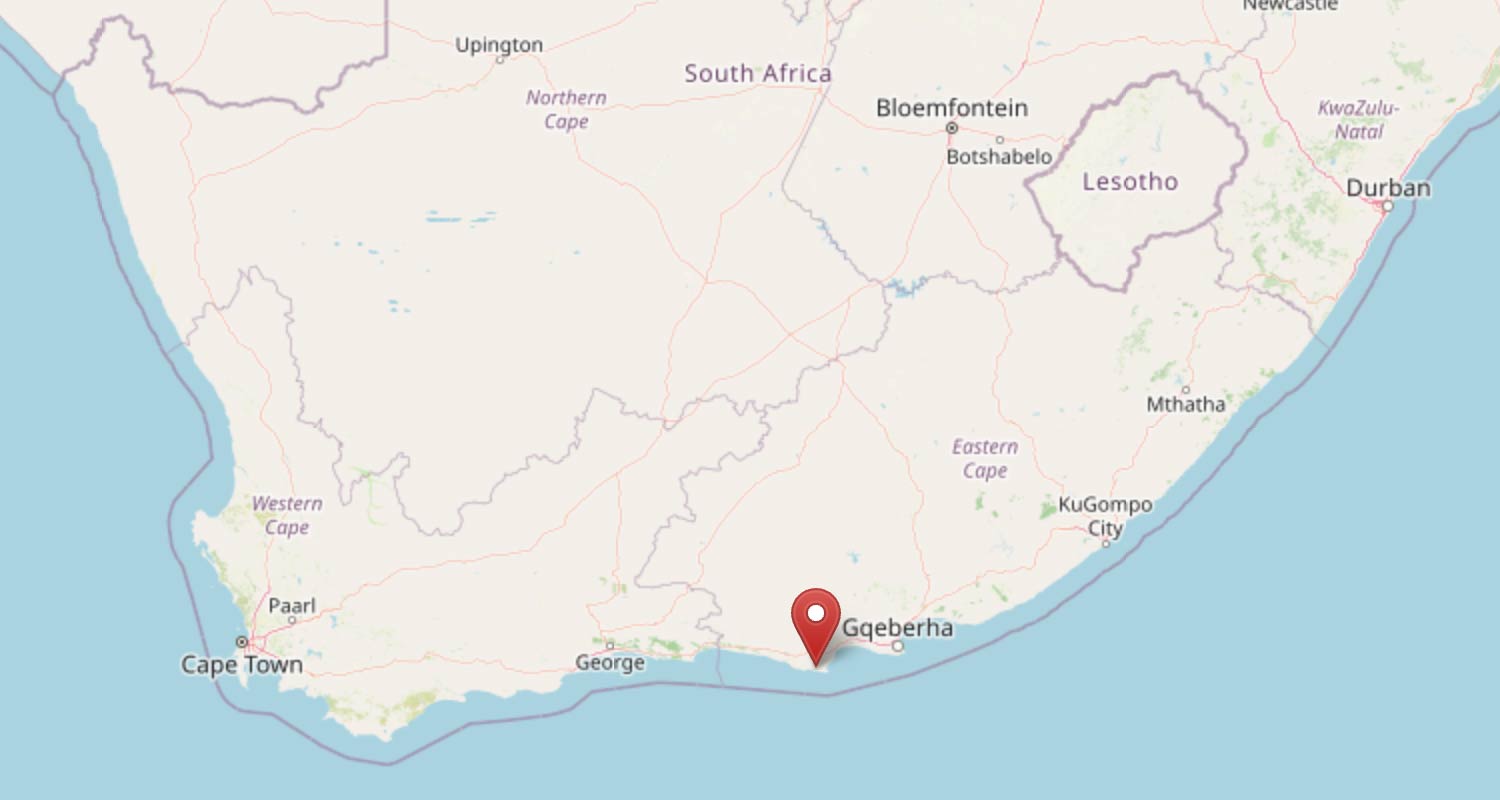
Further specialist studies on which site to select for Eskom’s proposed 5.2GW nuclear power station should only be for Thyspunt on the Eastern Cape coastline, between Oyster Bay and Cape St Francis.
This is the major recommendation in a comprehensive draft environmental scoping report released for public comment.
The report says further investigation at the only other proposed site, Bantamsklip on the Overberg coastline between Danger Point and Quoin Point, should be restricted to its cultural landscape status only.
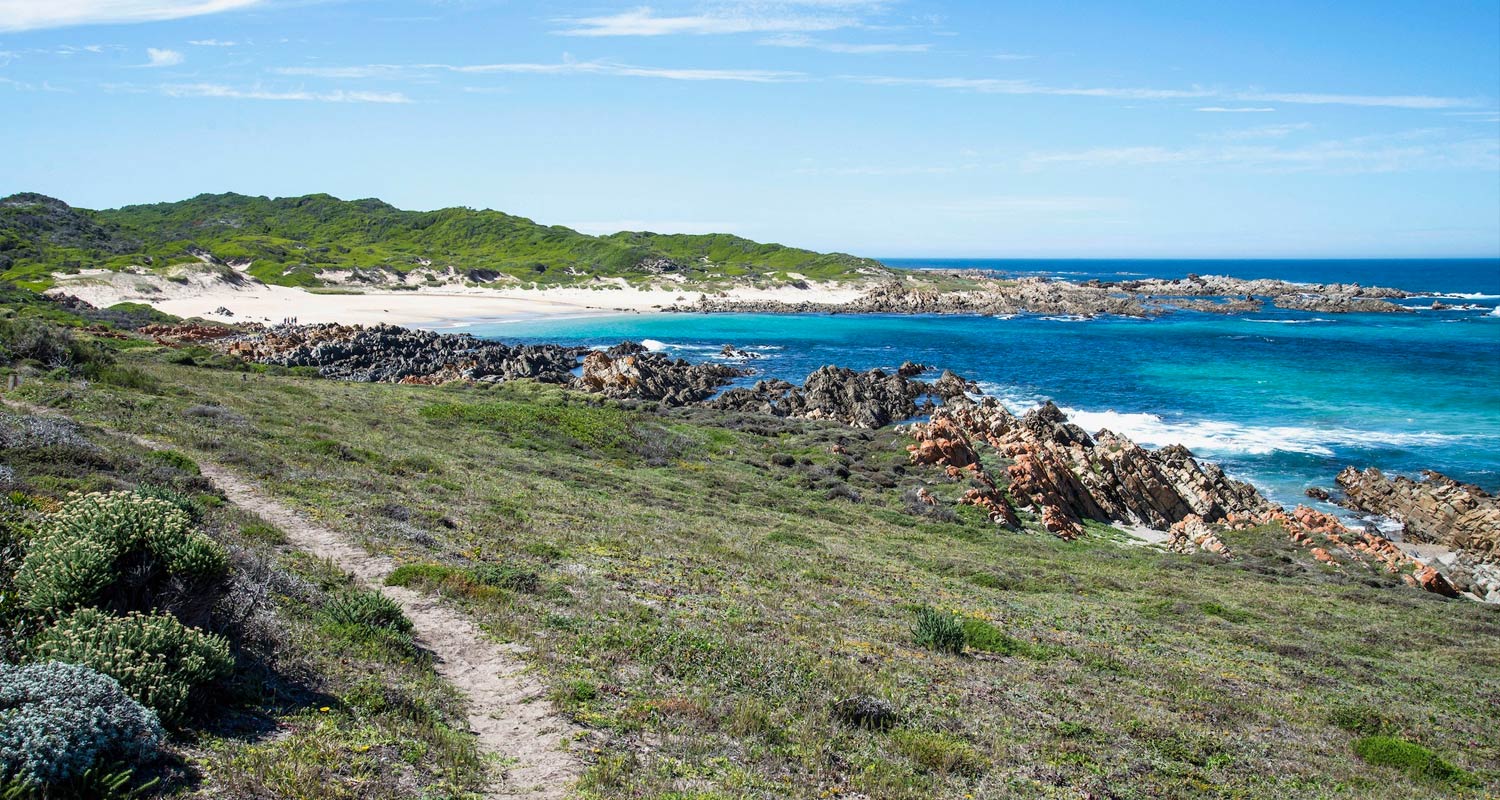
Both sites encompass landscapes that have “a sense of place with strong coastal wilderness qualities”. Both would require overhead powerlines to connect the new plant to the national grid.
Bantamsklip is in “a very remote location” and constructing the new plant here would have “an acute impact” as there are few large distribution lines or load centres nearby.
However, at Thyspunt, the rapid development of wind farms has created a large network of new powerlines that have already “severely degraded” that rural setting.
“From a spatial, technical and infrastructure perspective, Thyspunt offers clear advantages,” the report states.
Environmental impact study
Any project likely to cause significant environmental, social, heritage and economic impact – as defined in the National Environmental Management Act (Nema) – is subject to a formal environmental impact assessment (EIA). Scoping is the critical first screening step in this statutory process.
Eskom Holdings appointed Midrand-based WSP Group Africa as the independent environmental assessment practitioners to manage the new nuclear build impact assessment process.
The draft scoping report, which runs to 776 pages and scores of appendices, is available for public review and comment until 5 May.
Read: Eskom targets 2027 approval for new 5.2GW nuclear facility
The report explains that Thyspunt is already owned by Eskom and is appropriately zoned for nuclear development within provincial and municipal planning frameworks.
Thyspunt’s “reasonable proximity” to existing transmission infrastructure and load centres reduces the need for extensive new infrastructure and limits further land acquisition and servitude requirements. It also lowers the potential for additional environmental and social impacts associated with grid connection, the report says.
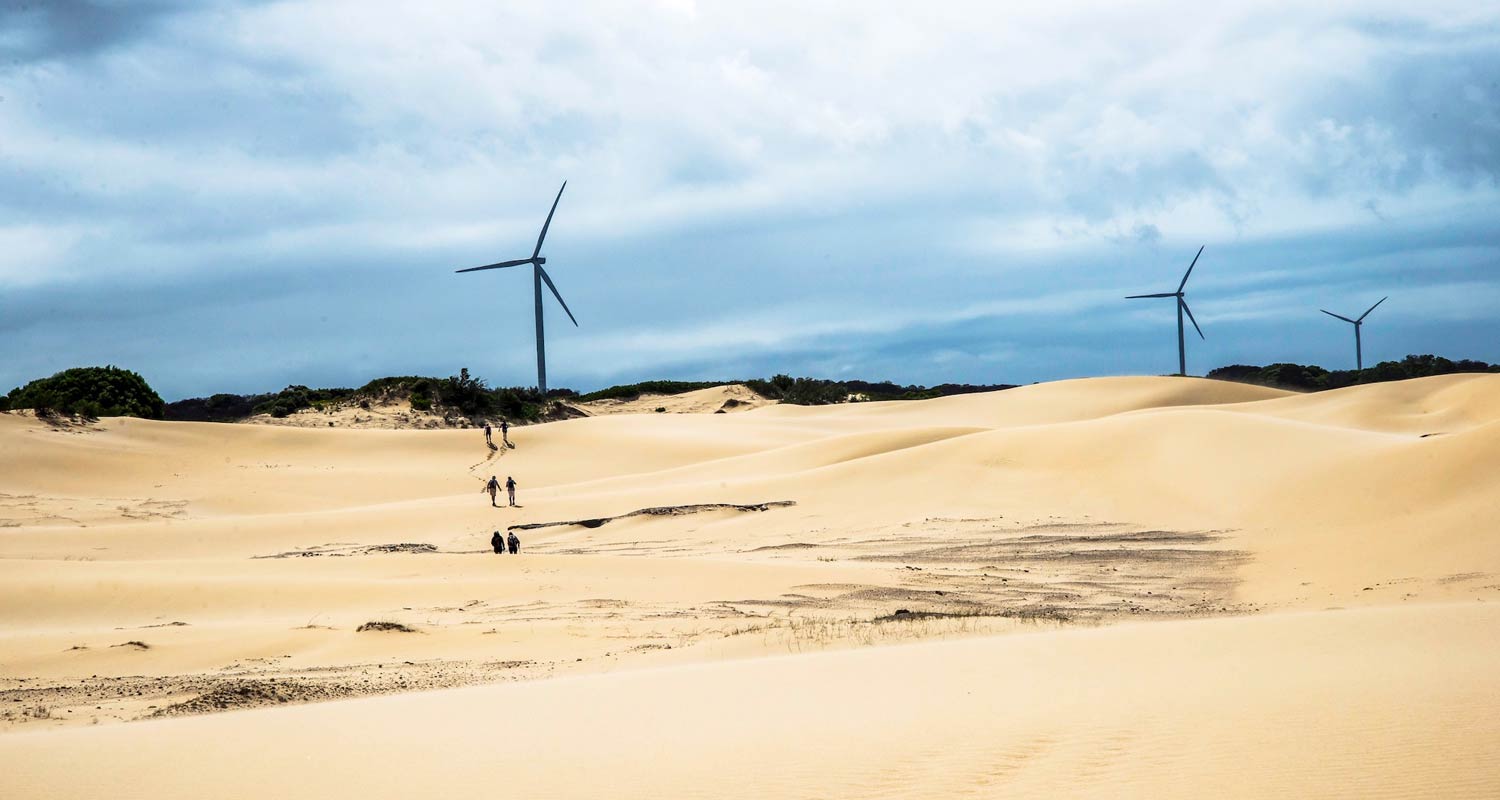
“Specialist screening undertaken to date has not identified any unmitigable environmental constraints at Thyspunt,” the report states. “It is therefore recommended as the preferred site to be taken forward in the assessment process.”
This does not however mean Bantamsklip will never be considered for a future nuclear power plant, the report cautions. “This site is not fatally flawed and remains a viable site,” it states.
If the draft scoping report is accepted by the national department of forestry, fisheries & the environment, an EIA with independent specialist studies including air quality, water resources, biodiversity, heritage, land use, human health and socioeconomic conditions, will proceed.
However, there is at least one major stumbling block for Thyspunt. In January 2025, all Eskom’s properties at Thyspunt were collectively declared a provisional “Grade I Cultural Landscape” by the SA Heritage Resources Agency (SAHRA). This protection remains in place until 1 February 2027, and may be renewed.
According to the heritage impact assessment (HIA) in the draft scoping report, there appears to have been no substantive discussions on this made public.
“The weighting of the cultural landscape significance at Thyspunt … relies heavily on the current legal status assigned to it under the provisional protection of section 29 of the NHRA (the National Heritage Resources Act),” the HIA states.
‘Ambiguity’
“It is … unclear how the proponents of the Grade I nomination have decided on the boundary to be used as the ‘site’ as these do not line up with the recommendations made by [heritage consultant Tim] Hart in 2012 or the cultural landscape study submitted in this HIA.
“Much further engagement with the SAHRA as the relevant heritage authority at present must be conducted to unpack the Cultural Landscape nomination.”
Read: The race to harness nuclear fusion
The concluding section of the scoping report states: “There are currently several unresolved legal issues pertaining to the Thyspunt site, which is under a provisional protection notice … and this declaration specifically refers to Thyspunt as a ‘cultural landscape’ of national heritage significance.
“Unfortunately, this process has not been concluded by the SAHRA and this leaves a level of ambiguity about the eventual outcome of the nomination process at Thyspunt… The SAHRA must also be consulted to discuss the Thyspunt nomination and what factors are being considered.”
The SAHRA had not responded to GroundUp at the time of publication.
The draft scoping report is scheduled to be presented at five more meetings from 20-24 April in the Eastern Cape at Jeffreys Bay, Oyster Bay, Humansdorp and two at St Francis Bay.
- Disclosure: A family member of the author, John Yeld, is a director of the company that did the marine biology specialist study for the draft scoping report
- This article was originally published by GroundUp and is republished by TechCentral with permission. Read the original article here