
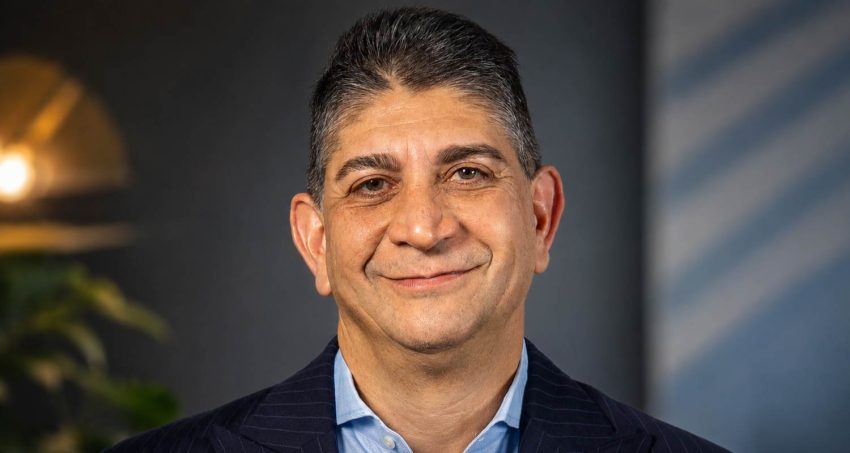
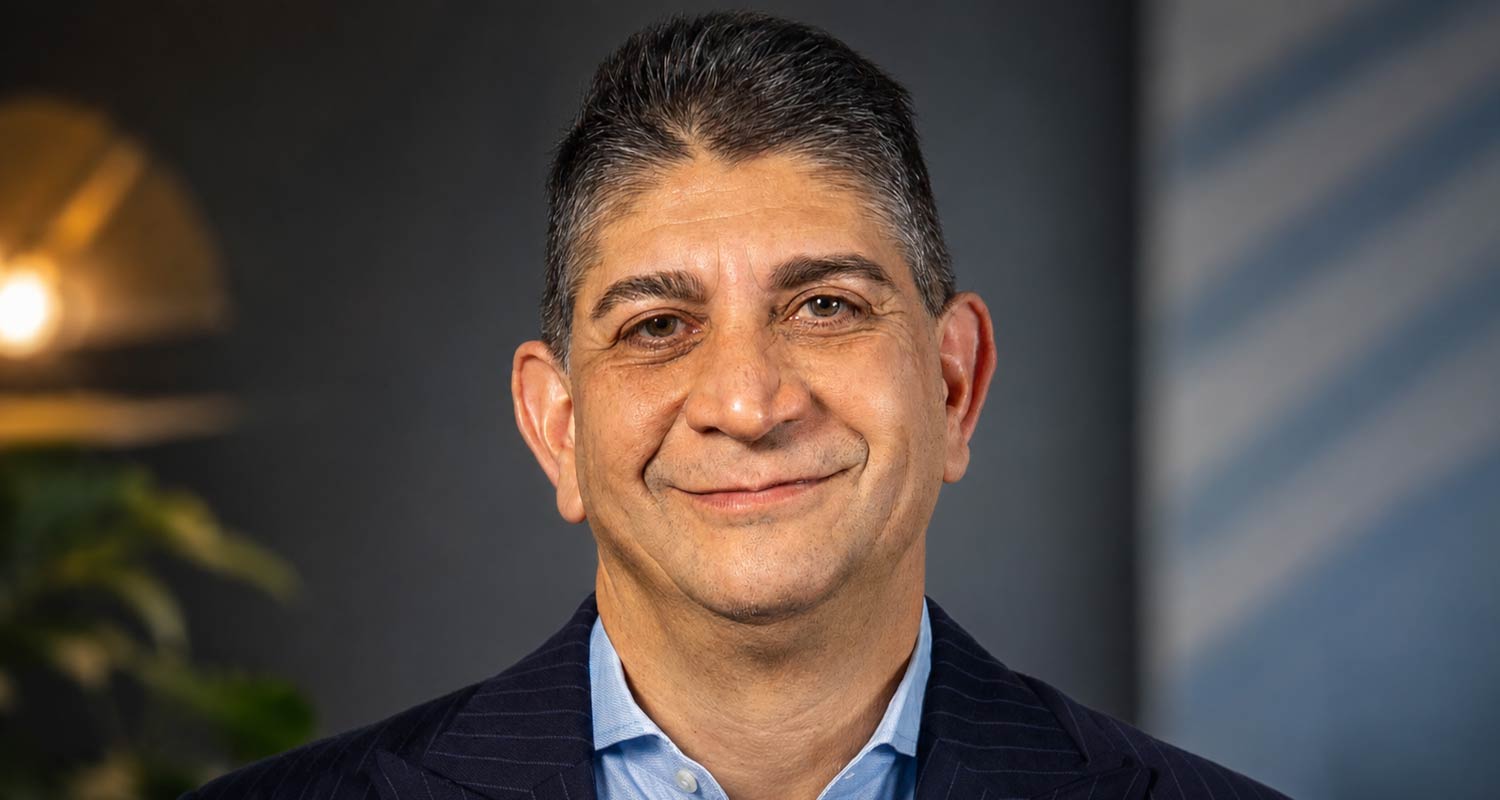
Vodacom Group is spending about R7.7-million/year on personal security for its CEO, Shameel Joosub – a figure that surfaces only through a quiet restatement of last year’s numbers and that the company still does not disclose as a line of its own.
The cost sits inside the “other” benefits line of Joosub’s single-figure remuneration table in the group’s FY2026 integrated report, published last week. That line came to R7.74-million for the year to 31 March 2026. A footnote describes it as covering “security arrangements provided due to the risk profile of the role” together with a cellphone benefit – without splitting the two.
The size of the security component becomes clear only when the FY2026 report is set against its predecessor. In the FY2025 integrated report, the same “other” line for Joosub was just R19 800, described then as nothing more than the Vodacom cellphone benefit.
In the new report, that prior-year figure has been restated upwards to R7.32-million to reflect the security arrangement. The roughly R7.3-million difference is the security cost that was added to the prior year after the fact, and the modest cellphone bill confirms that almost the entire current-year “other” line is protection spending.
The restatement is not cosmetic. Joosub’s reported FY2025 total single-figure remuneration rises from the R71.1-million originally published to R78.4-million in the new report, with the roughly R7.3-million gap accounted for almost entirely by security being pulled into the figures.
Sars ruling
Asked why the costs appeared only from FY2026, Vodacom told TechCentral that the South African Revenue Service issued a ruling during the year confirming that the security arrangements constitute a fringe benefit. Once that ruling was made, the company said, the costs were brought into its remuneration disclosures and the prior year was restated to ensure comparability and consistency.
Chief financial officer Raisibe Morathi shows the same pattern on a smaller scale. Her FY2025 “other” line, originally R6 365, has been restated to R1.05-million, implying a security component of about R1-million. Her FY2026 figure of R855 963 is lower again, suggesting a lighter and shrinking arrangement than the CEO’s. Taken together, Vodacom is spending in the region of R8.5-million/year protecting its two most senior executives.
What the integrated report does not do is put a standalone number on the security spend. The cost remains bundled with a cellphone benefit of around R20 000, leaving shareholders to reconstruct the figure by comparing two years of reports.
Read: The missing number in Vodacom’s annual report
That reticence is, in fairness, close to the South African norm. A discrete security protection figure is not something the JSE listings requirements, the Companies Act or the King codes compel a company to publish, and few if any listed South African companies break one out. On this measure Vodacom has gone slightly further than most by reflecting the cost in its pay tables at all – while still stopping short of naming it.
Rival MTN Group discloses even less. Its FY2025 remuneration report, the fuller of its two pay disclosures, breaks group president and CEO Ralph Mupita’s R75.7-million earned single figure into salary, retirement contributions, short- and long-term incentives and an undefined “other benefits” line of R1.37-million.
Nowhere does MTN’s report name personal security as a cost, itemise what the “other benefits” line contains or restate a prior year to bring such spending into view. Whatever MTN spends protecting Mupita is either absent from its disclosures or buried unexplained in that line – itself a fraction of the figure Vodacom has surfaced.
The contrast with the US is stark. There, the Securities and Exchange Commission requires any sweetener above the greater of US$25 000 or 10% of an executive’s total perks to be quantified, producing hard numbers each proxy season. Personal security has become a mainstream disclosure: by one count a quarter of S&P 500 CEOs now receive security benefits, up from 18% a year earlier, at a median of about $75 000/executive – though the top spenders run to $1.2-million and beyond.
At the extreme end sits Meta Platforms.
The Facebook and Instagram owner reported total FY2024 compensation of $27.2-million for CEO Mark Zuckerberg, the substantial majority of it security related, including a $14-million annual pre-tax security allowance, up from $10-million the year before, on top of the direct cost of protecting him at his homes and during travel.
That single security programme exceeds the combined CEO-protection spend of Apple, Nvidia, Amazon, Google and Microsoft, and dwarfs the $6.8-million Google spends on Sundar Pichai or the $1.4-million Apple spends on Tim Cook. Against that backdrop Joosub’s R7.7-million – about $470 000 – is modest, even if it would rank above the typical S&P 500 chief executive.
Read: Pressure builds on Vodacom’s South African mobile business
The irony is that South African executives arguably face a sharper physical security threat than their American counterparts, yet operate under a weaker convention around disclosing what that protection costs. As pay-gap reporting under the amended Companies Act and pressure from shareholder activists push more remuneration detail into the open, what listed companies spend keeping their leaders safe – and whether they say so plainly – is unlikely to stay buried in a restated footnote forever. — © 2026 NewsCentral Media