
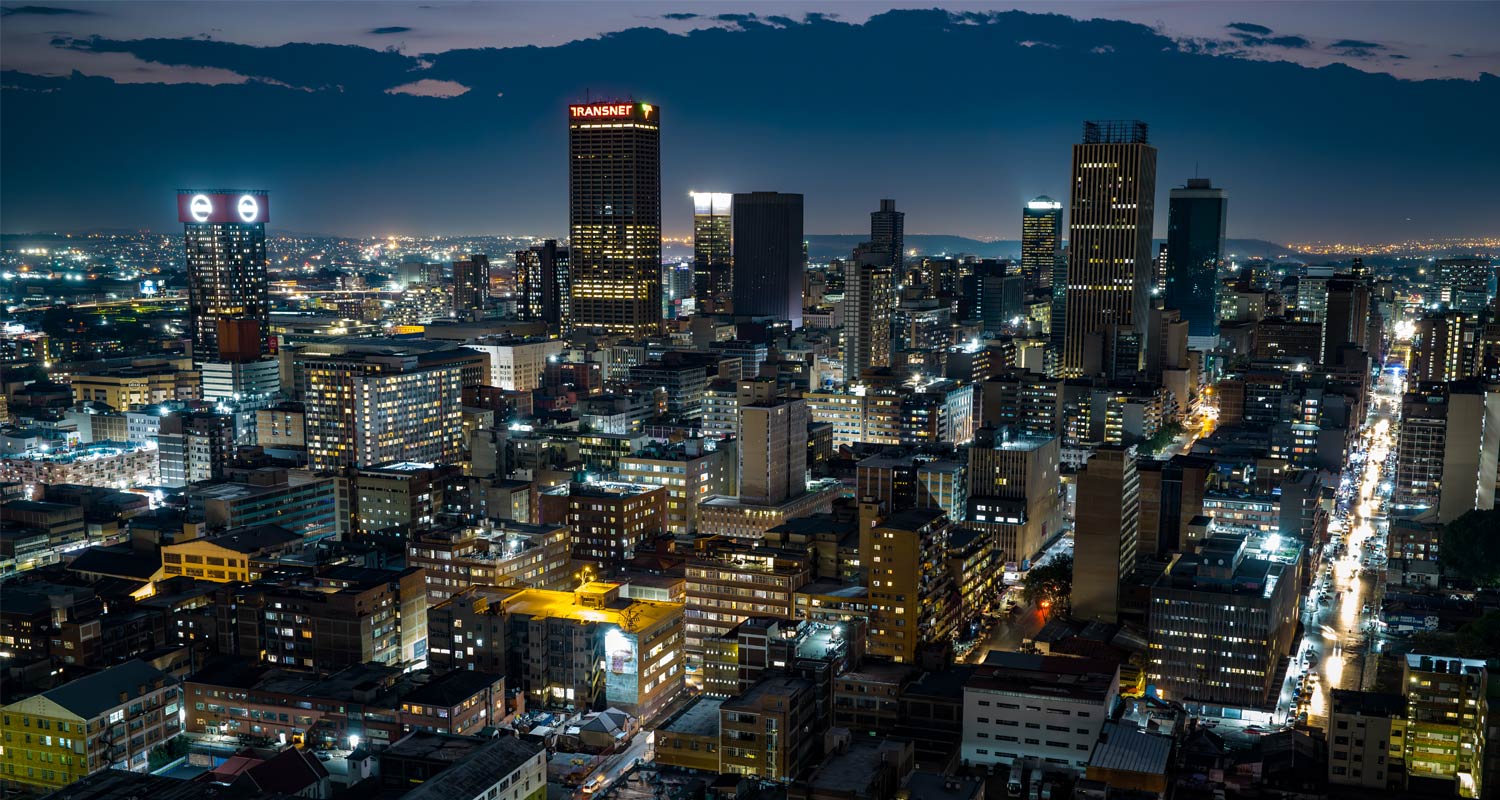
As the World Cup kicks off this week in North America, I am reminded of our hosting of the event in 2010. The first match will again be South Africa against Mexico – the same fixture that launched the tournament when we hosted. That 2010 World Cup showcased South Africa at its best. But the contrast between then and now reveals how far Johannesburg has since declined.
That game was in the magnificent FNB Stadium, easily accessible by metro train from Park Station. The robots worked, streets were in great condition and the city’s freeway improvement project had just been completed. Rea Vaya had just begun operating and the Gautrain had just launched. Joburg felt far closer to its aspiration of being a world-class African city.
The metro was balancing its books. Then-mayor Amos Masondo announced a fully funded budget and delivered an unqualified audit report. The city had a good credit rating and was able to raise debt in the bond market. It spent over 16% of its budget on capital spending.
It is stark how far we have come since:
- Even after accounting for inflation, the city’s budget announced two weeks ago is more than 60% higher than it was in 2010, yet property values are 21% lower.
- The services we receive have deteriorated dramatically, as has financial management.
- The city’s accounts last year were qualified by the auditor-general.
- Capital expenditure for this year will be just 6% of budget while a massive backlog of infrastructure spending and maintenance accumulates.
- The AG reported last week that Johannesburg had R2-billion of unauthorised expenditure because its budget was unfunded – it could not collect the revenue it based its budget on.
This year the city is counting on a 6.5% increase in revenue, largely from service charge increases, to fund an 8.1% increase in expenditure. Already finance minister Enoch Godongwana has intervened over the city’s unaffordable R10.3-billion salary deal, describing it as “illegally signed” and pointing out the city is effectively bankrupt. He has threatened to withhold an R8-billion equitable share grant. Suppliers remain unpaid – the city owes them far more than the cash it has on hand. Some are ceasing services because of non-payment.
The failure of Joburg poses systemic risk to the entire economy. The city accounts for 16% of the country’s GDP and provides vital services across much of the economic base. Repeated failures in water supply, electricity and road maintenance are becoming an unacceptable risk for business.
This is why BLSA, Busa and B4SA published a joint statement last week calling for immediate action: stabilisation of the city’s finances, presidential and national government intervention using available constitutional powers, and political parties making specific costed commitments on how they will address the fiscal crisis and restore functional governance ahead of the local government elections.
Held to account
Business is making clear commitments to support the effort. We already provide funding support to local government reform efforts and contribute to infrastructure repair like potholes and robots. But we want to systemise, coordinate and scale these efforts.
Business and government can achieve a great deal when they work together, as we’ve demonstrated in dealing with the electricity crisis and logistics. When structured properly, business can bring investment and skills to support service delivery. But it is essential that we have a counterparty that can be held to account. Once that is in place, we will work with the city and national government on interventions that can be deployed with speed and accountability. Success requires a public sector partner willing to enforce discipline and accept consequences when standards are not met.
There is a reason the G20 and B20 events were held in Joburg last year, and why many of our largest companies call Joburg home. It is our largest city and home to key institutions of our economy. It is in the national interest that the city’s performance is turned around.
We know what can be done because we’ve done it before.
As our national team takes the field this week, they will carry the hopes of a nation. South Africa’s greatest strength has always been our ability to come together in a crisis and deliver. Joburg needs that same unity now – business, government and citizens working as one. It is time that we fix this city.