


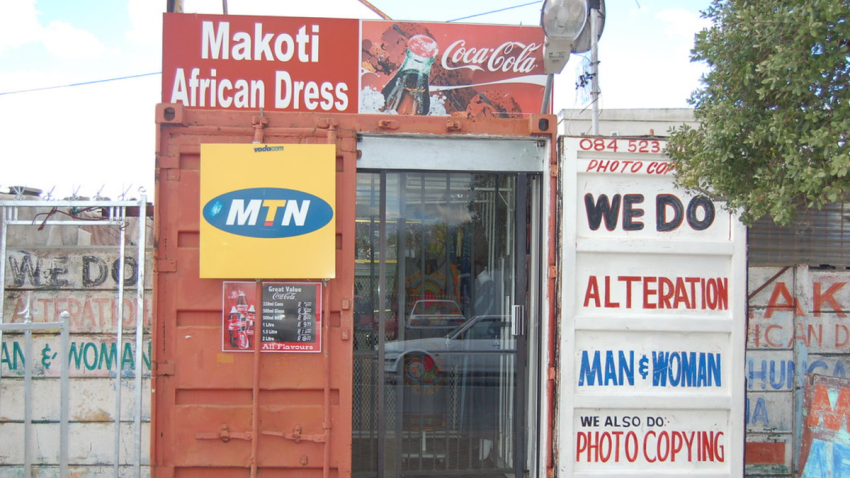
Government is stepping up support for spaza shop owners as it works to help more small businesses access the R500 million Spaza Shop Support Fund.
The support is being led by the Department of Small Business Development, together with the South African Local Government Association. The aim is to help small and informal businesses deal with registration, licensing and compliance requirements.
For many spaza shop owners, these requirements can be a major barrier. Without the right municipal permits or business licences, applications for funding cannot move forward.
Applications Still Face Licence Delays
According to the departments, 4,522 complete applications have been received nationally.
However, only 58% of these applications could be linked to valid business licences or municipal permits. This means many applications are still stuck until compliance issues are sorted out.
The departments said a number of applications cannot progress until licensing and compliance requirements have been addressed.
This is why government is preparing a nationwide outreach and awareness campaign from June 2026. The campaign will give business owners practical guidance on how to meet the fund’s application criteria.
R179.6 Million Already Disbursed
The fund has already approved 2,369 businesses for assistance.
So far, about R179.6 million has been disbursed across all nine provinces. This includes 1,316 applications approved by SEDFA, valued at R79.6 million.
The National Empowerment Fund has also backed 1,053 enterprises, with support worth R99.9 million.
The approved support includes stock purchases, point-of-sale devices, infrastructure upgrades and other business improvements. The fund also offers non-financial development support to help businesses become more sustainable and competitive.
Focus on Township Economies
The Spaza Shop Support Fund forms part of government’s broader plan to strengthen township and rural economies.
Government says the fund is not only about short-term financial help. It is also meant to improve competitiveness, support job creation and help local economies grow.
The programme also focuses on inclusion. So far, 43% of approved enterprises are women-owned, 18% are youth-owned and 2% are owned by people with disabilities.
The departments said the fund is designed to drive long-term sustainability beyond financial support.


I’m a writer, editor and software developer at Newsroom ZA.
I build things, break them (on purpose), then turn the chaos into clean, readable stories. You’ll usually find me bouncing between breaking news, politics and entertainment.