


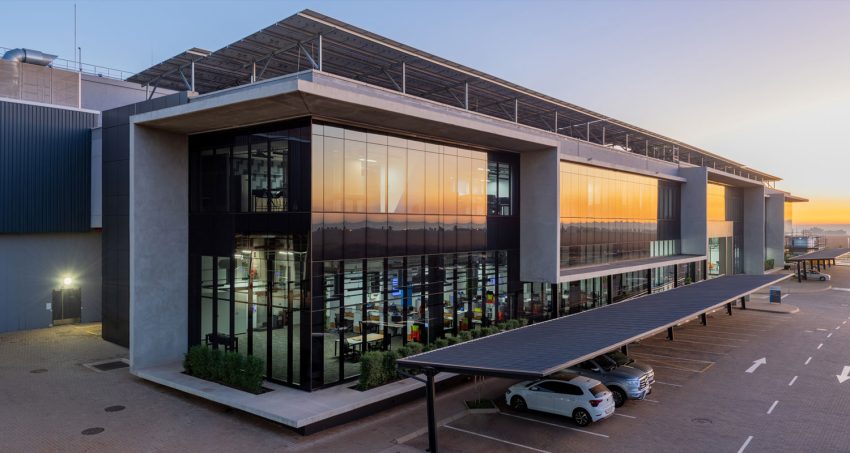

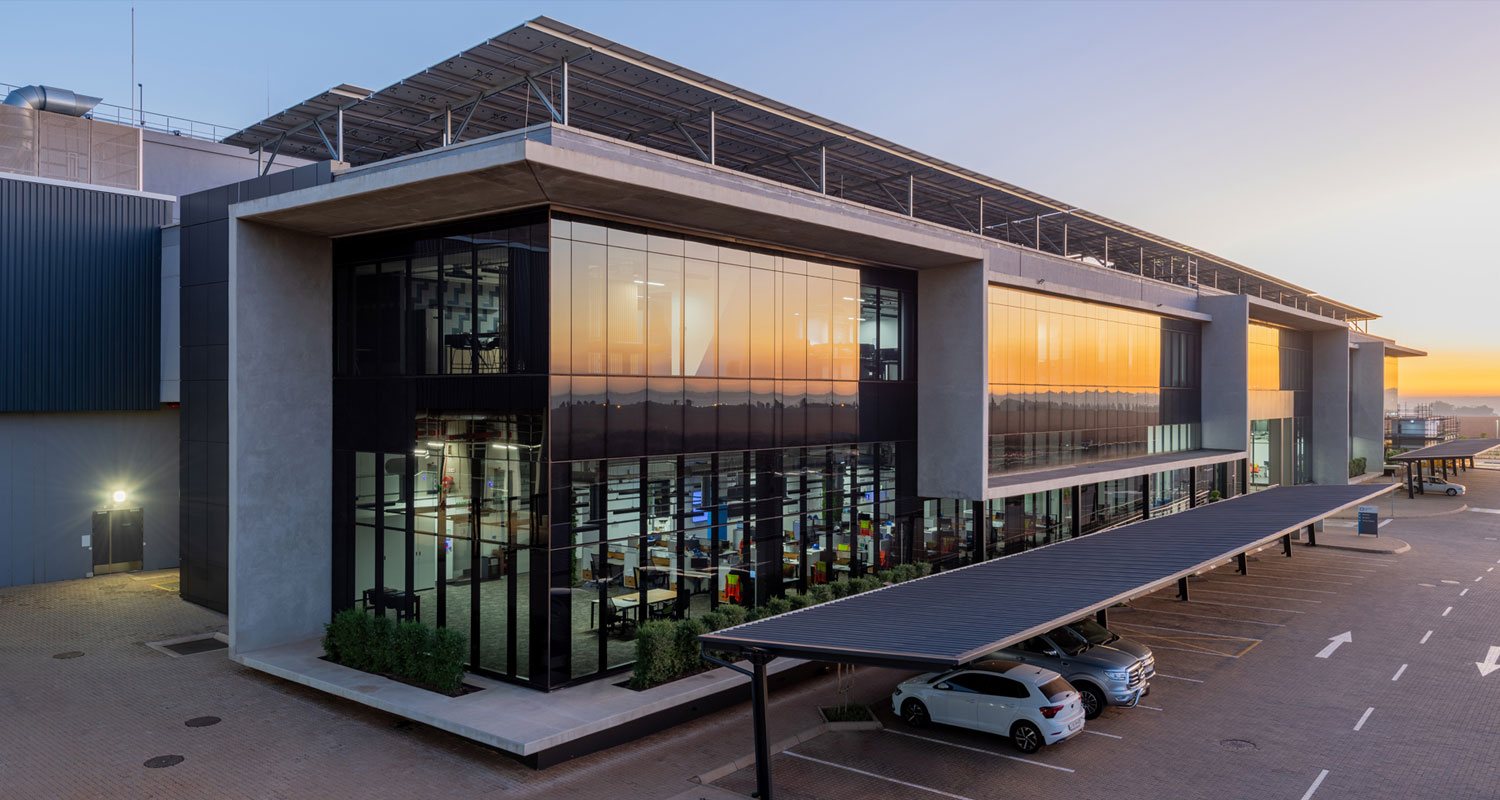
Finance minister Enoch Godongwana has for the first time placed data centre infrastructure on the same footing as electricity, ports and transport networks, signalling a significant policy shift as South Africa attracts tens of billions of rand in investment from global hyperscalers racing to build cloud computing capacity.
In his budget speech on Wednesday, Godongwana said the “use of data and artificial intelligence has become critical for the future development of economies worldwide”, adding that “data infrastructure should be considered as critical as electricity, ports and transport networks”.
He said national treasury will this year “explore options to help data centres and related infrastructure to expand these investments in South Africa and solidify our role as a regional hub for these technologies”.
Though the minister offered no detail on what form these incentives or policy measures might take, the statement represents the clearest acknowledgement yet from government that data centres — long treated as a niche segment of the property and technology sectors — now warrant the same strategic attention as the country’s physical infrastructure backbone.
The timing is significant. South Africa is in the midst of an unprecedented data centre building boom.
Goldman Sachs has projected total “hyperscale” data centre capital expenditure from 2025 to 2027 will reach $1.15-trillion, more than double the $477-billion spent from 2022 to 2024. McKinsey estimates companies will need to invest $5.2-trillion in data centre infrastructure by 2030 to meet worldwide demand for AI.
Billions in investment
Some of that capital is flowing into South Africa. President Cyril Ramaphosa said in his state of the nation address earlier this month that 55 data centres have already been built in the country, with more than R50-billion in investment expected over the next three years.
Microsoft has been a prominent investor, with president Brad Smith announcing in March 2025 that the company would invest R5.4-billion in new data centre infrastructure in South Africa, including capacity for AI workloads populated with Nvidia GPUs. Smith said at the time that Microsoft had already spent more than R20-billion on its Azure data centres in the country. Google launched its first African cloud region in Johannesburg in 2025, while Amazon Web Services has built large facilities in Cape Town.
Read: South Africa’s AI data centre boom risks overloading a fragile grid
On the colocation side, Digital Realty-owned Teraco — the country’s largest data centre operator with nearly 190MW of IT load — has plans to launch four new data centres in 2025-2026, backed by cumulative investment of about $877-million.
US-headquartered Vantage Data Centers is building a large data centre campus in Africa at Waterfall, near Midrand, in a $1-billion investment. Many other providers are building facilities – mostly in Gauteng and the Western Cape.

And in a sign of market maturation, consolidation is accelerating. Open Access Data Centres, a subsidiary of Wiocc Group, recently completed the acquisition of seven NTT Data facilities across the country, with Wiocc’s chief strategy and M&A officer Joshua Smythwood telling TechCentral the digital infrastructure market is “entering a phase of consolidation”.
If all announced projects are completed, South Africa’s data centre IT power load could result in hundreds of megawatts more than what’s available today.
But the sheer scale of the global AI infrastructure buildout dwarfs even these ambitious local plans. South Africa’s largest data centre, Teraco’s Isando campus, has 70MW of IT load. OpenAI’s Project Stargate in the US will have capacity measured in gigawatts.
Godongwana’s framing does not appear to amount to a formal legal designation — South Africa’s Critical Infrastructure Protection Act, which replaced the National Key Points Act in 2022, deals with physical security obligations under the police service rather than economic incentives. But as a policy signal from the fiscus, it is significant.
It appears to open the door for national treasury to extend existing investment tools to the data centre sector. These could include special economic zone designations, which offer a reduced corporate tax rate of 15% versus the standard 27%, accelerated depreciation allowances on buildings and VAT relief on imported equipment. The department of trade, industry & competition’s critical infrastructure programme already offers cost-sharing grants for infrastructure deemed essential to unlocking investment.
Electricity
Perhaps most critically for an industry that consumes enormous amounts of electricity, the framing could support priority grid connections, streamlined approvals for self-generation, and wheeling arrangements and dedicated power allocations — arguably the single biggest constraint on data centre expansion in South Africa.
The industry will be watching closely for what specific measures emerge as treasury begins its exploration this year.
Read: Xneelo breaks ground on second Samrand data centre
TechCentral is reaching out to major data centre operators for comment on Godongwana’s announcement and its significance for their investments and operations. — (c) 2026 NewsCentral Media
Get breaking news from TechCentral on WhatsApp. Sign up here.