


Zuko Komisa
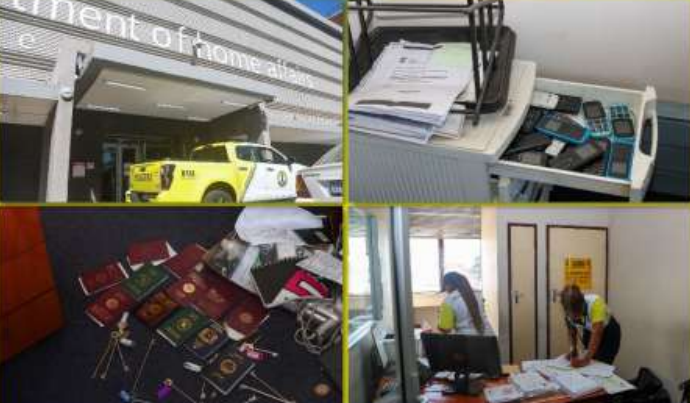
- SIU investigators found Home Affairs officials running a “marketplace” for fraudulent visas and permits.
- Figures like Shepherd Bushiri and Timothy Omotoso allegedly paid bribes to bypass residency requirements.
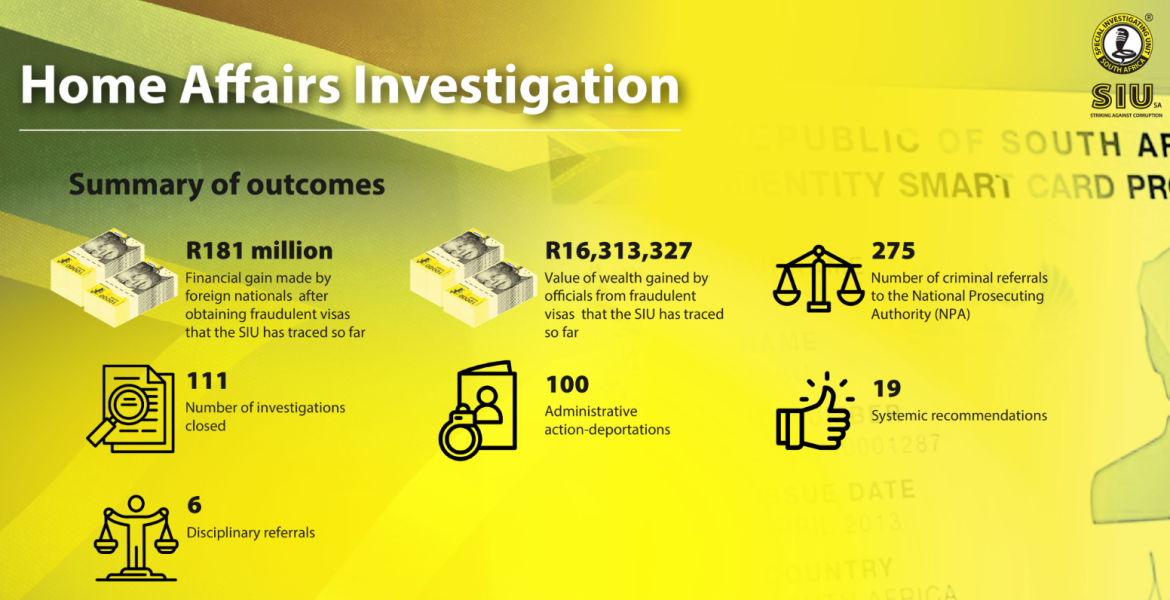
- Syndicates used e-wallets and spouses’ bank accounts to launder over R16 million in illegal payments.
The Special Investigating Unit (SIU) has exposed a deep-seated culture of corruption within South Africa’s Department of Home Affairs, describing the immigration system as a “marketplace” where legal status was sold.
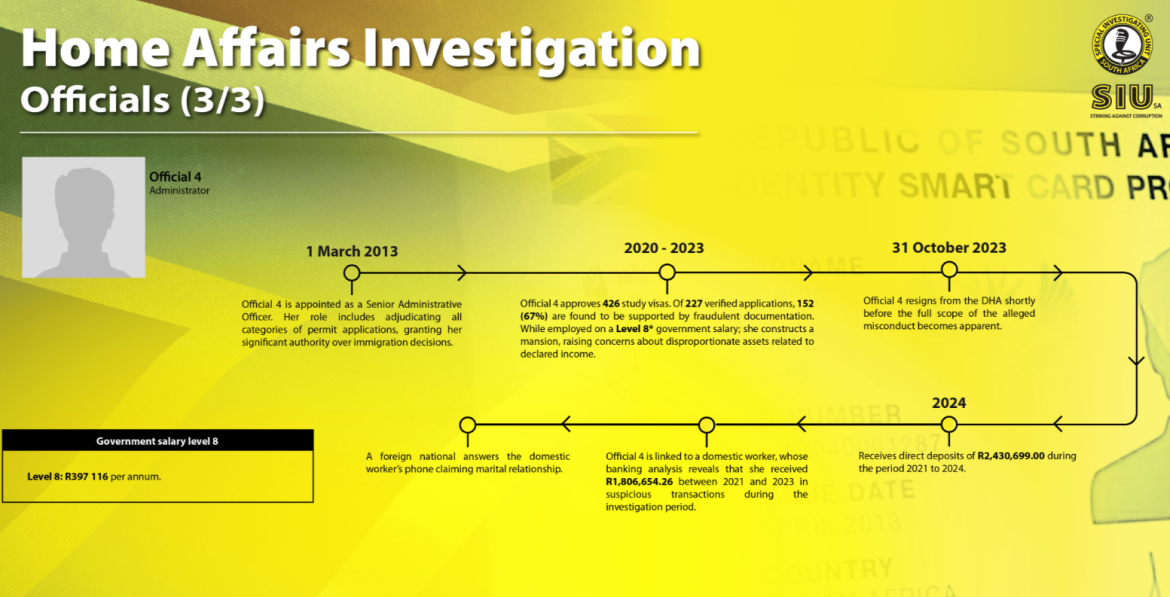
Acting SIU head Leonard Gaoretelelwe Lekgetho revealed that just four officials despite modest salaries accumulated approximately R16.3 million in bribes.
These officials allegedly used sophisticated methods to hide their tracks, including routing payments through their spouses’ bank accounts and using “dummy” cellphones and non-RICA-registered numbers for e-wallet transfers.
The investigation, sparked by a whistleblower in May 2024, found that high-profile foreign nationals like Shepherd Bushiri, Timothy Omotoso, and rapper Prince Daniel Obioma (3GAR) allegedly bypassed legal requirements to secure residency.
By colluding with syndicates, these individuals reportedly manipulated internal systems to bypass asylum assessments and merit-based checks.

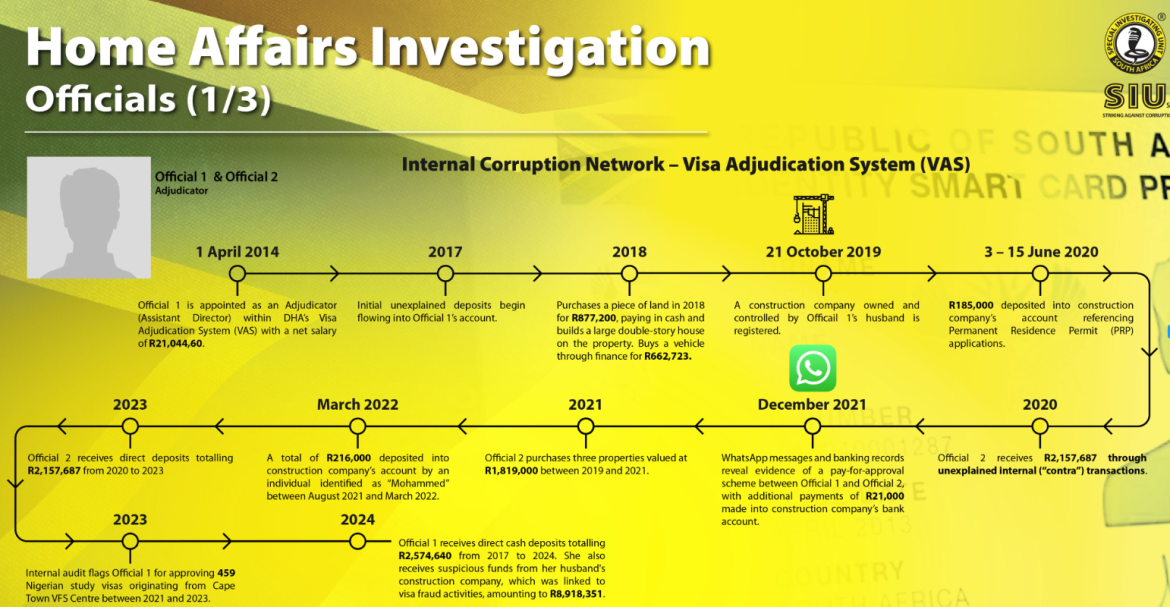

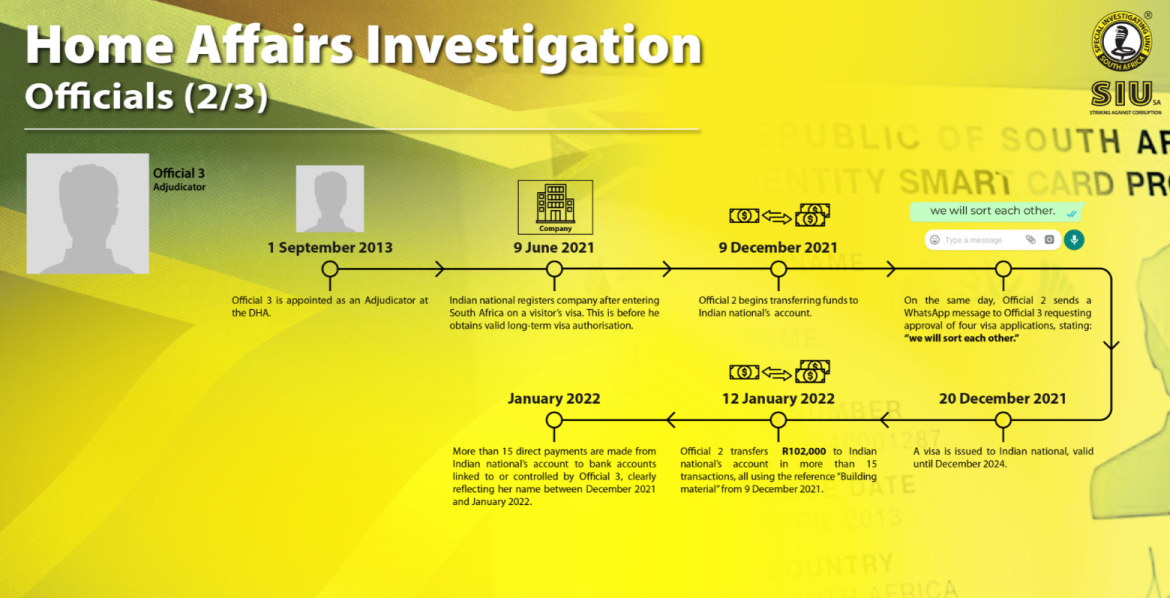

In some instances, bribes ranged from R500 to R3,000 for quick document processing, while other officials received “in-kind” payments, such ascoverage of their private rent.
Beyond individual bribes, the SIU highlighted a massive disparity between the officials’ legal income and their luxury assets, which include significant private properties.
The corruption extended to border control systems, which were compromised to allow unlawful entries.

Home Affairs Minister Leon Schreiber has blamed these “criminal syndicates” for the department’s shortfalls, emphasizing that the manual, paper-based nature of the current system makes it an easy target for such exploitation.
READ NEXT: Hawks arrest 27 in R100m takedown over Mpumalanga education fraud