
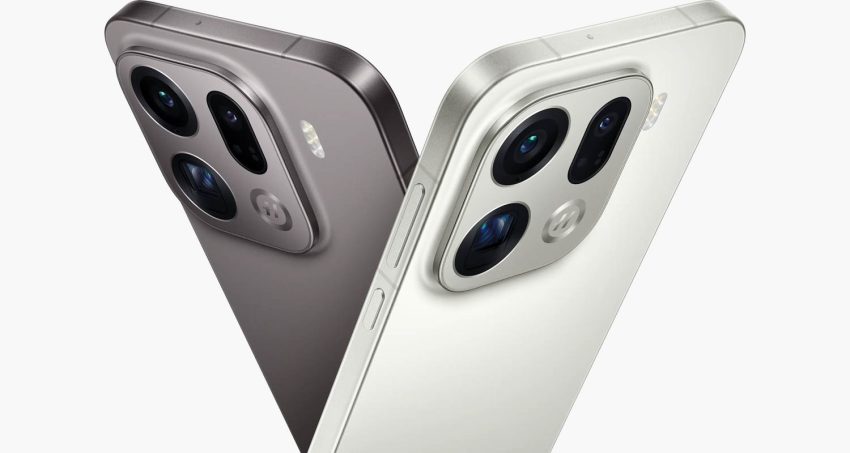
Silicon is the second most abundant element in Earth’s crust after oxygen and its uses in the technology sector are expanding. In 2026, its use in battery and charging technology is set to go mainstream, especially in mobile devices.
In 2025, several Chinese smartphone manufacturers made leaps in cellphone battery capacity using silicon-carbon technology. Honor led the charge with the Magic 6 Pro, expanding capacity in the second-generation device by about 15% to 5 600mAh while reducing the phone’s thickness. Honor’s Magic V2 and Magic V3 foldables, which are thinner than most candy bar phones when folded, use silicon carbon to deliver the 5 000mAh-plus that high-end users expect.
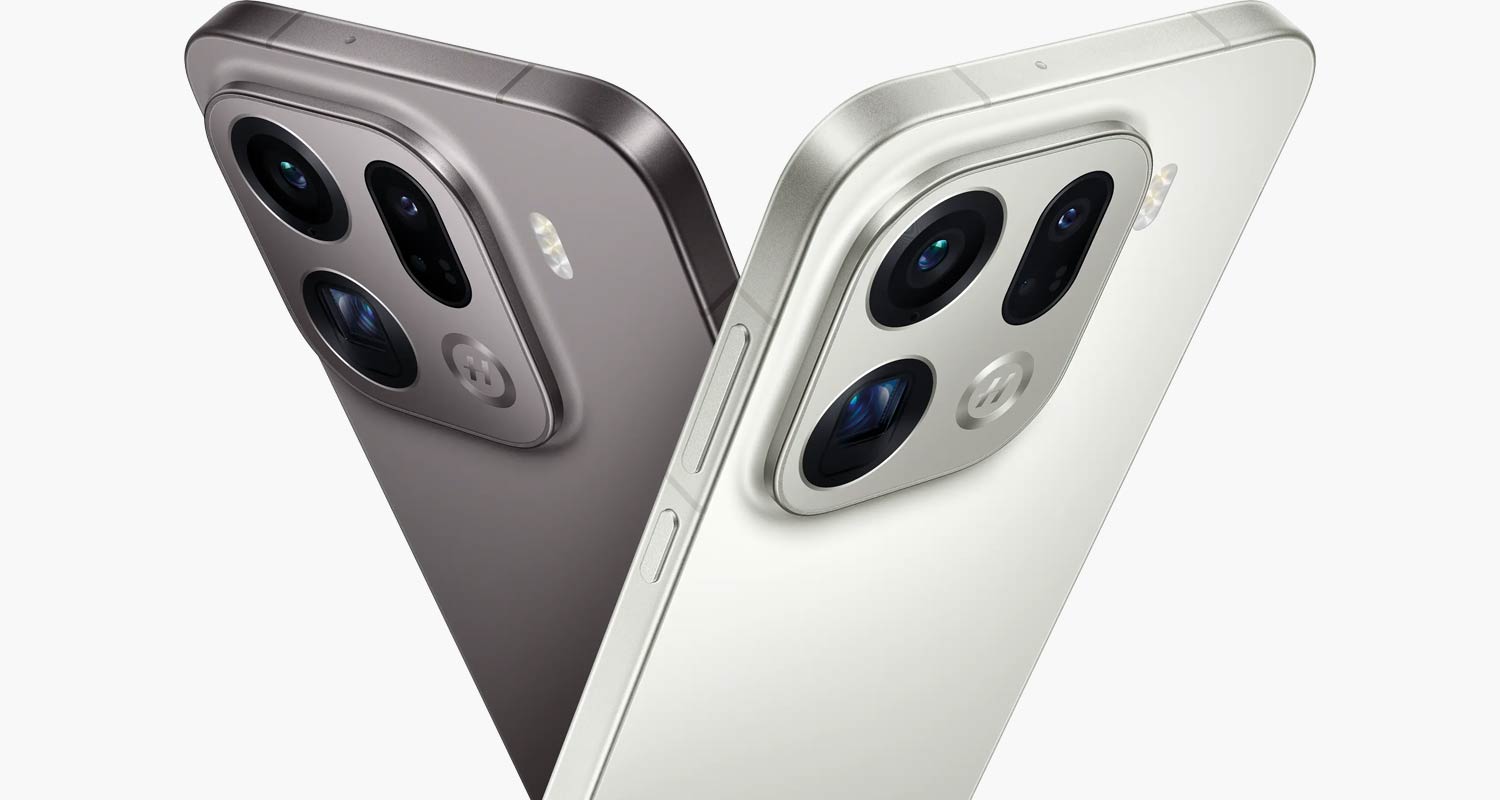
Others, including Vivo, OnePlus and Oppo, followed suit, extending capacity with each iteration. Oppo’s Find X9 Pro, released late last year, has a 7 500mAh battery in a slim format. And just this week, Honor released the Power2, which sports a massive 10 080mAh silicon-carbon battery – the device is only 8mm thick and weighs just 216g.
There are two different silicon compounds being used to make batteries more powerful.
The first, and most significant, is silicon carbon (Si-C). Silicon carbon is used inside batteries to expand their capacity, but the underlying battery chemistry does not change. The lithium-ion batteries used in cellphones and laptops have a positive cathode, usually made of a lithium compound, and a negative anode made of graphite.
Using silicon instead of graphite for the anode adds up to 30% more capacity for the same sized battery. Since silicon expands when charging, the carbon is added to stabilise the battery and to give it a longer shelf life.
Silicon carbide (SiC), on the other hand, is a semiconductor, which has proven to be highly efficient at transmitting charge. So, chargers that make use of silicon carbide are faster. The two technologies (Si-C and SiC) work hand in hand.
Conservatism
While Chinese manufacturers continue to push silicon carbon technology to its limits, the world’s largest smartphone makers, Samsung Electronics and Apple, are yet to adopt the technology in production, and a conservative approach seems to be the reason why. Despite their enhanced capacity, silicon carbon batteries expand when they are charged.
Samsung already has a blemish on its record regarding faulty batteries. Its Galaxy Note7 was recalled in 2016 due to battery-related issues, including overheating, smoking and spontaneous combustion. Many airlines even banned the devices on flights. So, as promising as silicon-carbon technology appears to be, it may still be too new and unproven for Samsung to risk further reputational losses by being an early adopter, though that may be about to change.
Read: The competing battery technologies shaping the EV industry
At CES in Las Vegas this week, Samsung won the 2026 Best of Innovation in Construction and Industrial Tech award for its SDI 25U-Power silicon-carbon battery. The 25U uses nanosilicon technology, similar to the tech Honor and Xiaomi have used in their phones, making use of small pieces of silicon instead of larger ones to address the swelling problem. Although the 25U is not a phone battery, Samsung has used it to prove that it is ready to take its silicon-carbon experiments out of the R&D lab and into production.
“Samsung continuously explores and evaluates a wide range of advanced battery technologies, with a focus on delivering the best overall user experience. Technologies are introduced into products only after they are fully validated to meet Samsung’s high standards for safety, reliability and long-term performance,” Samsung said in response to e-mailed questions from TechCentral.
Read: The next wave: 10 technologies that will define 2026
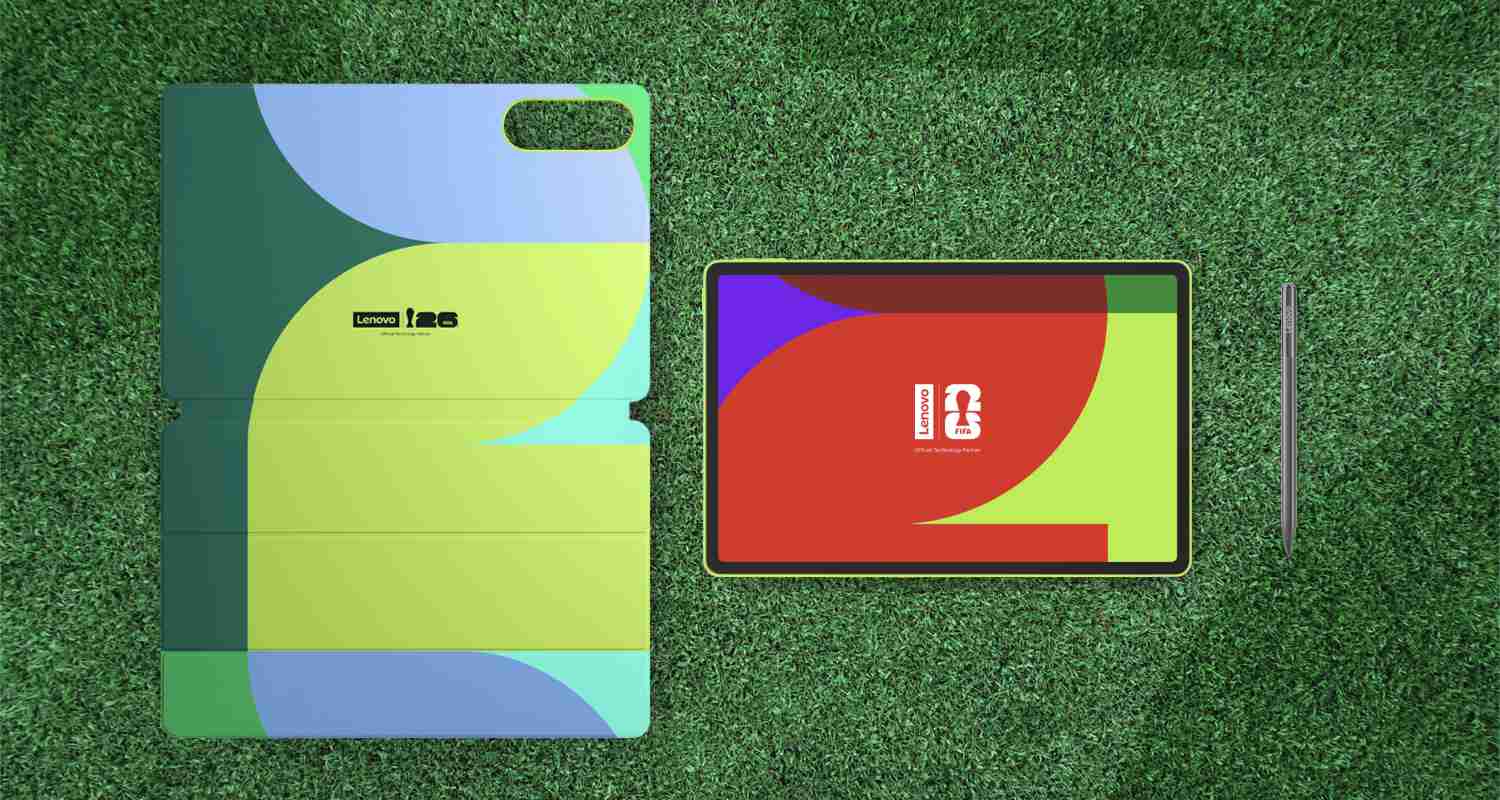
Issues around swelling have previously limited the use of silicon-carbon batteries in larger form factors, but the technology has matured to the point where it is being used to power such devices. Lenovo used CES to showcase its Yoga Tab Fifa Edition, which features an 11-inch screen and an 8 860mAh silicon-carbon battery in a chassis thinner than 7mm. – © 2026 NewsCentral Media
Get breaking news from TechCentral on WhatsApp. Sign up here.