


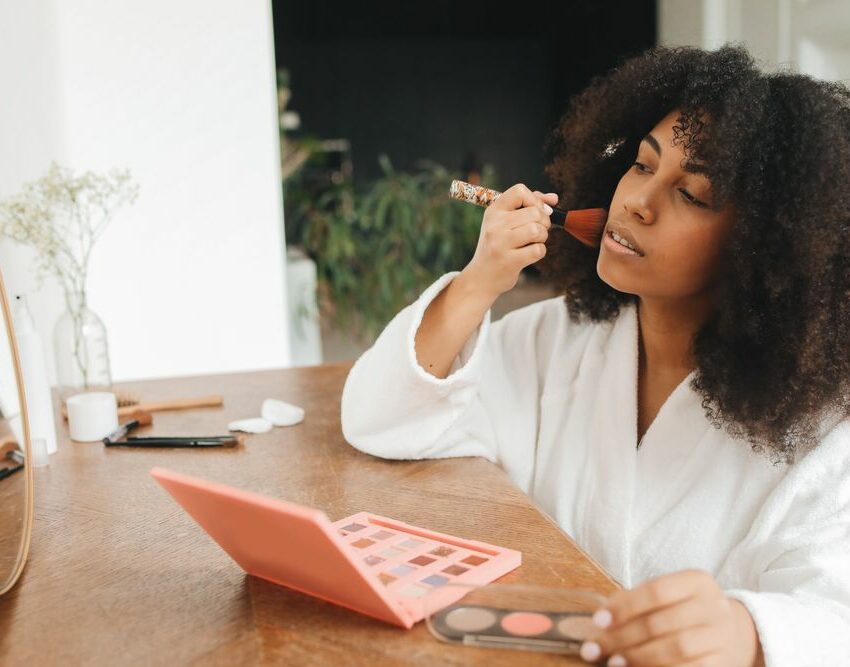
PICTURE: PEXELS/ POLINA TANKILEVITCH
Using makeup past its expiry date might seem harmless, especially if the product still looks fine. However, expired cosmetics can harbour bacteria, lose their effectiveness and even lead to skin irritation, breakouts or eye infections.
Also see: Makeup habits that could be ageing your skin
Knowing when to replace your favourite beauty products is an important part of maintaining healthy skin and good hygiene. Here are some signs that it’s time to say goodbye to old makeup.
1. The product has changed colour
One of the clearest signs that a makeup product has expired is a noticeable colour change. Foundation may become darker, lipstick can fade or develop patches, and powders may appear dull.
According to the American Academy of Dermatology (AAD), colour changes often indicate that the ingredients have started to break down, making the product less effective and potentially unsafe to use.
2. It smells different
A strange or unpleasant smell is another warning sign. Products that once had a pleasant scent may begin to smell sour, musty or like chemicals as preservatives lose their effectiveness.
The U.S. Food and Drug Administration (FDA) advises consumers to stop using cosmetics immediately if they develop an unusual odour, as this may indicate bacterial contamination or ingredient deterioration.
3. The texture has changed
Has your foundation become watery? Is your mascara clumpy? Has your lipstick become dry or started to sweat?
Changes in texture often mean the product is no longer stable. According to the FDA, separation, clumping or drying out are common signs that a cosmetic product has reached the end of its usable life.
Also see: Beginner-Friendly Makeup Tips for Dark Skin That Actually Make a Difference
4. It irritates your skin
If a makeup product suddenly causes redness, itching, burning or breakouts, it may have expired or become contaminated.
The American Academy of Dermatology notes that expired cosmetics can trigger allergic reactions and skin irritation because preservatives become less effective over time, allowing bacteria and fungi to grow.
5. Your mascara is more than three months old
Mascara has one of the shortest shelf lives of all beauty products because the tube is repeatedly exposed to air and bacteria each time it’s opened.
The American Academy of Ophthalmology (AAO) recommends replacing mascara every three months to reduce the risk of eye infections. If you’ve recently had an eye infection, it’s also important to throw away any eye makeup you’ve used.
6. The expiry symbol says it’s time
Many beauty products include a small open-jar symbol known as the Period After Opening (PAO) symbol. It usually displays a number such as 6M, 12M or 24M, indicating how many months the product is safe to use after opening.
Checking this symbol can help you decide whether it’s time to replace an item, even if it still appears to be in good condition.
7. You’ve had it for years
Even unopened makeup doesn’t last forever. Once opened, exposure to air, moisture and bacteria shortens its lifespan.
General guidelines include:
- Mascara: Replace every 3 months.
- Liquid eyeliner: Replace every 3–6 months.
- Foundation and concealer: Replace every 6–12 months.
- Lipstick and lip gloss: Replace every 12–24 months.
- Powder products (blush, bronzer, eyeshadow): Replace every 18–24 months.
- Makeup brushes and sponges: Clean weekly and replace sponges every 1–3 months or when damaged.
These timelines align with recommendations from the FDA and the American Academy of Dermatology, although product packaging should always be checked for manufacturer-specific guidance.
Tips to make your makeup last safely
Replacing makeup regularly doesn’t mean wasting products. Proper care can help maximise their lifespan:
- Wash your hands before applying makeup.
- Keep lids tightly closed after use.
- Store products in a cool, dry place away from direct sunlight.
- Clean makeup brushes and tools regularly.
- Avoid sharing makeup, especially eye and lip products.
- Never add water or saliva to revive dried-out cosmetics, as this can introduce bacteria.
The bottom line
Your makeup routine should support healthy skin, not put it at risk. Paying attention to changes in smell, texture, colour and expiry dates can help prevent irritation and infections while ensuring your products perform as intended.
When in doubt, it’s better to replace an old product than risk damaging your skin or eyes.
Also see: Rain-proof glam: How to keep your makeup flawless during winter showers
Be the first to know – Join our WhatsApp channel for content worth tapping into. Click here to join!