





Samsung Electronics has reportedly pulled the plug on its ambitious trifold smartphone, the Galaxy Z TriFold, just three months after its highly anticipated debut.
According to reports from South Korea’s Dong-A Ilbo news site, Samsung has ended domestic sales of the device with immediate effect.
The Z TriFold, launched in December 2025, was meant to be the ultimate riposte to Chinese innovation.
Instead, it has become a cautionary tale of the “bleeding edge”. While sales will continue until current stock is depleted, production lines have reportedly gone cold.
The Galaxy Z TriFold was never intended to be a mass-market volume driver. Positioned as a “flagship showcase”, it was designed to demonstrate Samsung’s display prowess. It features a 165mm exterior screen that unfolds into a 253mm tablet.
Despite a staggering price tag of ₩3.59-million (about R48 000 before duties, VAT and other taxes), the device was consistently sold out in retail stores. Initial batches were reportedly limited to roughly 3 000 units, which were snapped up within minutes.
Unsustainable
On the secondary market, scarcity drove prices to as high as ₩10-million (R113 000). However, the economics proved unsustainable; skyrocketing costs for DRAM, NAND flash and Snapdragon processors meant Samsung was essentially selling a luxury halo product at near-cost.
Samsung’s exit leaves the trifold niche almost entirely in the hands of Huawei. The Chinese giant, which beat Samsung to market with the Mate XT Ultimate Design in late 2024. While Huawei has faced its own supply-chain hurdles, it has managed to maintain a retail presence in China, recently teasing a second-generation device.
Read: Chip shortage will get worse, Samsung warns
Other players remain hesitant. Xiaomi has been spotted in certification filings with a trifold codenamed “Zhuque”, but latest leaks point to a potential third quarter of 2026 launch at the earliest. Meanwhile, Oppo has confirmed it has functional trifold prototypes in its R&D labs but no immediate plans for a commercial launch, citing a “wait and see” approach to consumer demand.
Perhaps the most significant headwind for the trifold form factor is the looming presence of Apple. After years of patent filings and “will-they-won’t-they” speculation, supply-chain analysts now confirm that Apple is joining the foldable market.
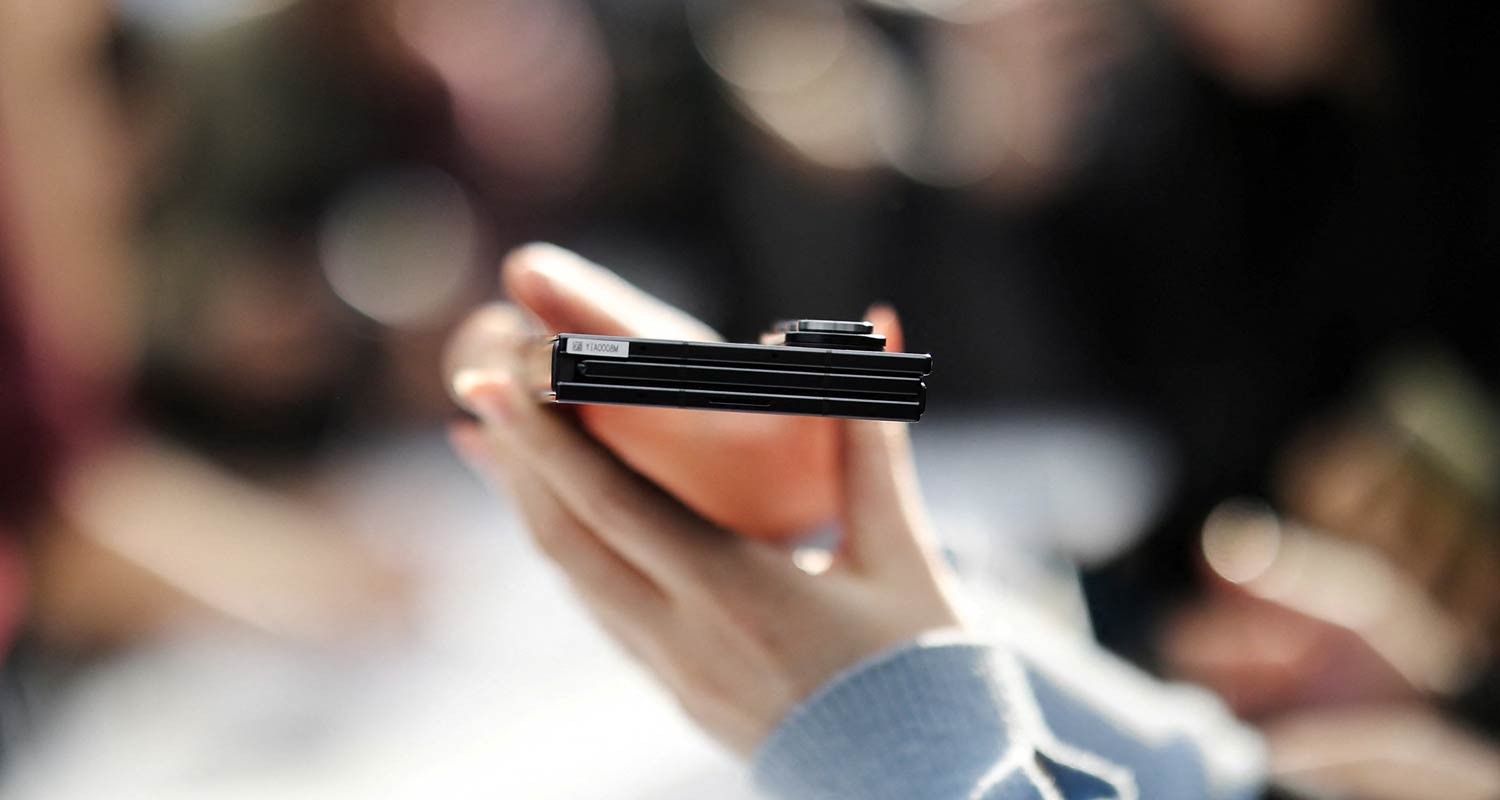
Rather than jumping straight to a complex trifold, Cupertino is reportedly focusing on a “clamshell” iPhone Flip and a larger foldable iPad/MacBook hybrid.
Apple’s entry typically signals the “maturity” of a category, but it also forces competitors to justify their price premiums. If Apple can deliver a polished, durable foldable, the experimental and often fragile nature of current trifold designs becomes a much harder sell to the average executive.
For now, the trifold dream remains a high-stakes gamble. Samsung’s retreat underscores the reality that while the technology to fold a screen twice exists, the business case for doing so is still very much a work in progress. — (c) 2026 NewsCentral Media
Get breaking news from TechCentral on WhatsApp. Sign up here.