


The South African Football Association (SAFA) has attributed the delay in paying Bafana Bafana players and support staff their 2026 FIFA World Cup bonuses to outstanding tax compliance requirements in the United States and Mexico. Bafana Bafana are expected to share about R65 million in bonuses following their campaign at the 2026 FIFA World Cup, where they reached the last 32 before being eliminated by Canada. The bonus allocation means that each player could receive more than R2 million, depending on the final distribution agreed between the players and the association. However, SAFA says the payments cannot be processed until it completes its tax obligations arising from matches played in the two countries. In a statement, SAFA said the delay was specifically linked to international tax compliance requirements in the USA and Mexico. “As matches were played in both countries, SAFA is required to comply with the applicable federal and state tax laws in the USA, as well as Mexican tax legislation,” the association said. SAFA said the complexity of the tax requirements had forced it to appoint specialist legal and tax advisers in both jurisdictions, in line with guidance received from FIFA. The association has already made progress in the United States, including obtaining an Employer Identification Number from the US Internal Revenue Service (IRS). “The USA specialists are finalising the required tax calculations and documentation, while the process for settling the applicable Mexican tax obligations is also being finalised,” SAFA said. The association stressed that it has already received a portion of the World Cup prize money from FIFA and that the delay does not affect other payments owed to the national team. “All allowances, fees and other amounts due to players and support staff have been settled,” SAFA said. “The outstanding payments relate specifically to FWC26 bonuses which will be processed once the applicable tax requirements have been concluded.” The bonuses follow Bafana Bafana’s campaign at the expanded 2026 World Cup, where South Africa progressed from the group stage before suffering a 1-0 defeat to Canada in the last 32. SAFA said it remained committed to completing the outstanding tax processes as quickly as possible and ensuring that all legitimate bonuses are paid. The association also used the statement to hit back at what it described as the practice by some media organisations of sending inquiries shortly before publication deadlines and giving SAFA what it considers unrealistic periods in which to respond. SAFA said financial and tax matters of this nature require proper consultation before a response can be provided. “While SAFA respects the media’s role and remains committed to transparency, fair and responsible reporting requires a reasonable opportunity for organisations to respond, particularly on complex financial and tax matters,” the association said. It warned that publishing allegations or incomplete information without allowing sufficient time for a response could mislead the public and unfairly damage the association’s reputation. SAFA called on media organisations to engage responsibly and provide reasonable time frames for responses to ensure that reports are accurate, balanced and fair. For Bafana players and their support staff, however, the focus will remain on when the outstanding World Cup bonuses will finally reach their accounts. SAFA has indicated that the payments are not being withheld permanently, but are awaiting the conclusion of the necessary tax compliance processes in the two countries where the tournament matches were played.
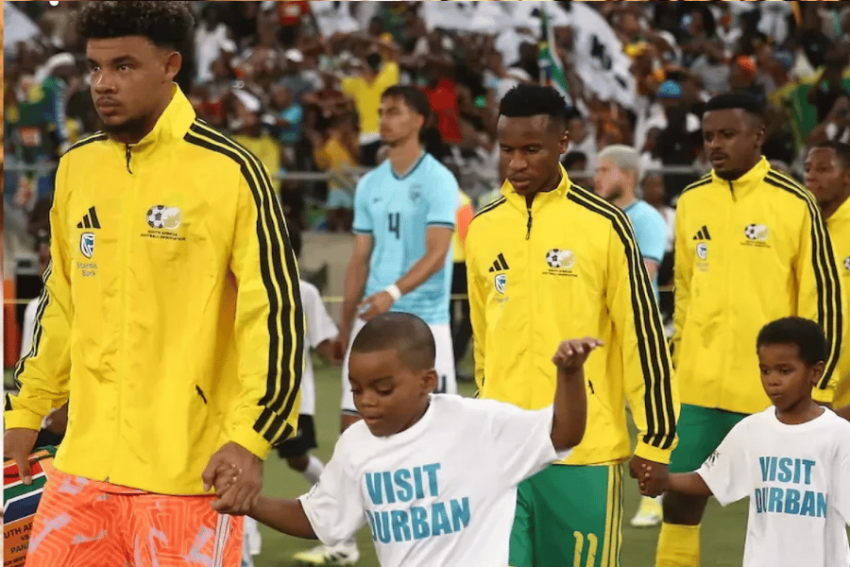
SAFA blames tax compliance for delay in Bafana World Cup bonuses
56