
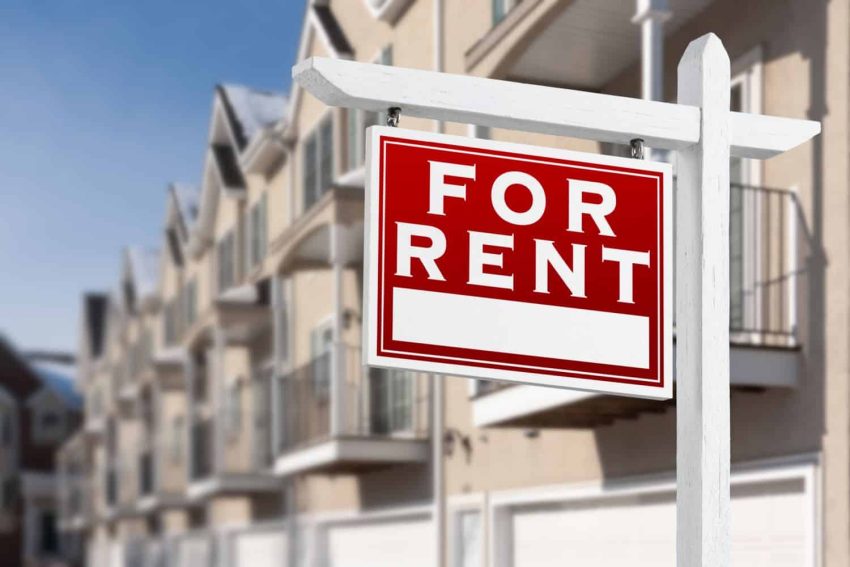
Several factors are expected to drive rent increases in 2026.
People usually say “new year, new me”, but for tenants, it’s actually “new year, higher rent”. Each year comes with its own stuff, and it seems 2026 is coming with increased rent for tenants.
Waldo Marcus, director at TPN Credit Bureau, said several factors will influence residential and commercial rents going up this year. He predicts that rent will increase by around 5%.
“With residential rental shortages driving escalations of 4.5% to 5.5%, commercial rentals under pressure, and widening disparities between well-governed and poorly governed municipalities,” he said.
ALSO READ: Tenants paying less than R3k continue to struggle with monthly expenses – report
Factors driving rent increase
TPN Credit Bureau’s data show that the rental increase is supported by provinces like Gauteng, which is expected to see continued positive growth in key residential nodes.
Marcus said that a persistent shortage of residential rental stock is the primary driver of predicted rental price growth, while commercial property, particularly office space, continues to face headwinds, but has seen vacancy improvements due to limited new supply coming online.
“The commercial sector, particularly office space, will continue to face downward rental growth, with escalations expected to drop to approximately 3.0%,” he said.
“However, specific asset types, particularly in storage, industrial hubs and convenience retail, are showing optimism.”
Light at the end of the tunnel for Western Cape
Marcus highlighted that the Western Cape is experiencing a shortage of residential places to rent; however, this is expected to ease. He questions whether affordability will remain paramount.
“The fourth quarter of each year typically sees a spike in shorter-term rentals in the province, fuelled by local and international tourism,” said Marcus.
“Gauteng, on the other hand, is expected to continue its upward trend in rental escalations, partly mitigated by the growing trend of commercial-to-residential conversions.
“Rental escalations in the Eastern Cape are expected to remain flat, while KwaZulu-Natal is expected to continue on an upward trajectory, but at a slower pace. Rental growth is driven by high demand for secure estates along the coastline.”
ALSO READ: Property market welcomes repo rate cut: Here’s how 2026 will look
Trends expected to shape property market in 2026:
1. A shortage of rental accommodation reflects high construction costs
Marcus said the lack of available rental supply, particularly in the residential market, will continue to push prices up. The core issue is the prohibitive cost and complexity of new construction.
“High construction costs, coupled with the liquidation and business rescue of numerous construction companies, mean new stock will enter the market at a significantly higher price point, limiting solid returns on investment (ROI),” he said.
2. Infrastructure investment and reactive regulation
He added that the government’s emphasis on national infrastructure projects will limit private sector growth, while wider economic stagnation may lead to quick, reactive regulation.
“South Africa’s budget prioritises infrastructure development and refurbishment, which diverts resources like construction capacity and tax revenue needed for private development,” he said.
“Private developers will be required to invest heavily in bulk infrastructure. This additional cost will act as a major constraint on returns for new projects, which will, in turn, be passed on to the consumer as higher rentals to achieve a return on investment.”
ALSO READ: 17% of SA tenants behind on rent, with many more heading toward debt
3. Municipal elections and value recovery
Marcus highlights that the 2026 municipal elections will be a pivotal property success factor, predominantly focused on municipal finances and service delivery, creating a flight of capital toward functionality.
“Regardless of the political outcome, winning parties will likely have to implement additional rates and tariffs to improve municipal liquidity and deliver basic services,” he said.
“Developers, landlords, and investors will increasingly look for areas with demonstrable good governance and functioning infrastructure. This pursuit of stability will drive and inform new investment decisions.”
4. Tenant risk and property valuations
He said that the value of a property portfolio will increasingly be influenced by tenants’ risk profiles, requiring more sophisticated risk management.
“A rental property’s true value is derived from the income stream provided by the tenant, as probable capital growth could easily be affected by instability and the reality of informal settlements, which are becoming more prevalent as inequality shows up in more areas,” he said.
“High-risk tenants will negatively impact property valuations, while tenants in good standing (those who consistently pay the full rental amount owed on time) should provide robust investment benefits.”
Investor advice for 2026
He advises property investors to adopt a strategic, risk-mitigating approach focused on adaptation and resilience. The best value proposition lies in existing structures, with the intention of enhancing or renovating them.
“This mitigates the risk and high cost of new construction. Investors should gear as much as possible for new developments to ensure free cash flow for unforeseen liquidity demands,” he said.
“To address the lack of municipal service delivery, landlords must factor in enhancements such as solar panels or inverters, water tanks, and sophisticated security measures to make their properties more attractive to tenants.”
NOW READ: Has Cape Town become too expensive for South Africans?