


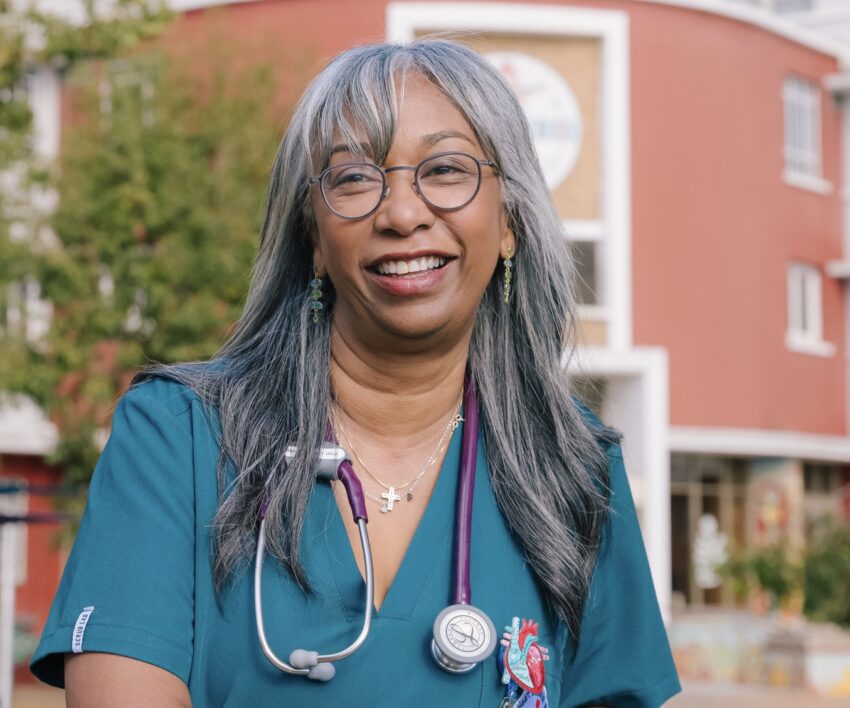
Picture: FWIS – Jan Verboom
Being named one of the 2026 L’Oréal-UNESCO For Women in Science Laureates is one of the highest honours a researcher can receive. For South African paediatric cardiologist and scientist Prof Liesl Zühlke, however, the recognition is about far more than personal achievement.
It shines a global spotlight on preventable childhood heart disease, the importance of African-led research, and the need to create more opportunities for women in science.
As South Africa celebrates Women’s Month, Prof Zühlke’s journey offers a powerful reminder that scientific excellence and compassion can go hand in hand.
Also see: Empowering Women: Lessons from a lifetime of learning
Turning science into life-saving impact
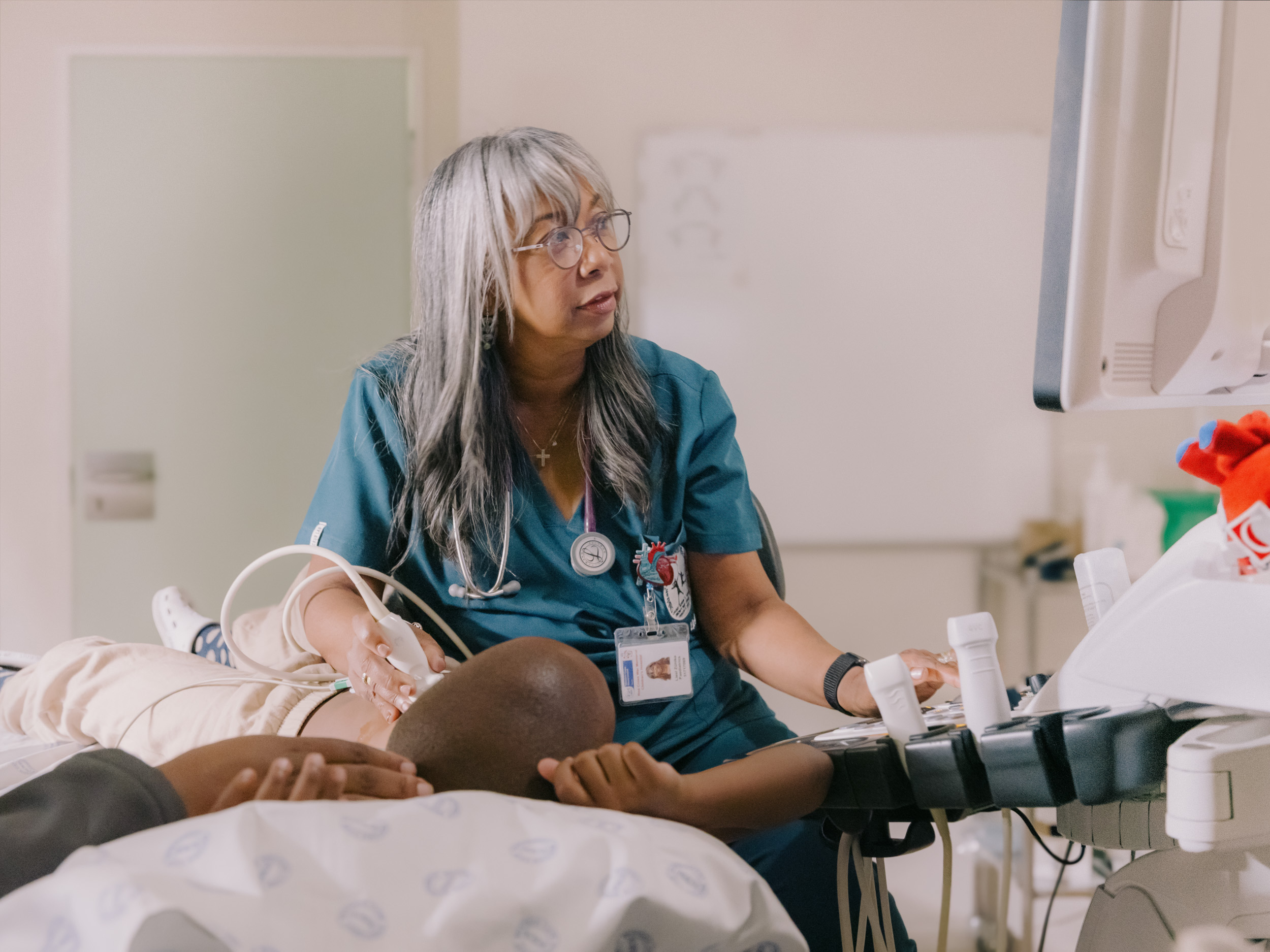
For decades, Prof Zühlke has dedicated her career to tackling rheumatic heart disease (RHD), a preventable condition that continues to affect millions of children worldwide, particularly in low-income communities. While largely eliminated in many high-income countries, RHD remains a major health challenge in parts of Africa due to poverty, inequality and limited access to healthcare.
Receiving international recognition for this work was both humbling and deeply emotional.
“I was truly speechless. The president of the jury phoned me personally, and I could hardly talk for a few minutes. It was an incredible honour and a moment of profound gratitude and reflection on the many people, mentors, colleagues and collaborators who have been part of this journey.”
For Prof Zühlke, the award represents much more than academic excellence. It acknowledges years of research aimed at improving diagnosis, treatment and access to care for children whose lives are often shaped by where they are born rather than what medicine is capable of achieving.
She describes rheumatic heart disease as “a disease of poverty, inequity and injustice” – one that continues to expose the deep links between health and social inequality.
Why women in science matter
Although South Africa has made meaningful progress in advancing women in STEM (science, technology, engineering and mathematics), Prof Zühlke believes there is still considerable work to be done.
She points to encouraging changes, including stronger female representation in leadership positions and organisations actively championing women researchers. Yet women remain underrepresented in many scientific disciplines, particularly at senior levels.
Barriers such as unequal access to funding, limited mentorship opportunities, unconscious bias and balancing demanding careers with family responsibilities continue to affect many women scientists.
Her own journey was no exception. Throughout her career in the traditionally male-dominated field of cardiology, she navigated career breaks, raising children, working abroad and overcoming funding challenges while pursuing advanced research.
Rather than viewing these experiences as setbacks, she embraced authenticity, protecting important family moments while remaining committed to scientific excellence.
Prof Zühlke believes institutions can do far more by creating family-friendly workplaces, expanding mentorship programmes, improving access to leadership opportunities and introducing flexible policies that support women throughout different stages of their careers.
Mentorship creates lasting change
One of the strongest messages throughout Prof Zühlke’s career is the importance of lifting others as you rise.
Inspired by her late mentor, Professor Bongani Mayosi, she believes every scientist has a responsibility to open doors for the next generation.
Also see: 5 Reasons why you need mentorship
She argues that supporting women in STEM is not simply about fairness – it is essential for better science. Diverse perspectives drive innovation, improve research outcomes and help solve some of the world’s most pressing challenges.
That commitment extends beyond research papers and laboratories. Every scientific breakthrough ultimately represents real people whose lives may be transformed through better healthcare, stronger policies and improved access to treatment.
Finding balance in a demanding career
Medicine and research are demanding professions, but Prof Zühlke is intentional about maintaining balance.
Family, travel, hiking, nature and time outdoors play an important role in helping her recharge. Daily walks with her Great Dane, spending time with loved ones and recognising the warning signs of burnout have become essential parts of maintaining both resilience and perspective.
She believes success should never come at the expense of personal well-being or the relationships that matter most.

A legacy bigger than awards
Despite receiving one of the world’s highest honours for women scientists, Prof Zühlke hopes her legacy will never be defined by awards alone.
Instead, she wants to be remembered for improving access to care for children with heart disease, strengthening African science and helping develop future researchers who will continue driving change.
“I hope my legacy will be measured not by the awards I received or the positions I held, but by the lives that were changed through the work we did.”
That vision also shapes the advice she offers young girls across South Africa.
She encourages them to embrace science with confidence, recognise the value of their unique perspectives and never be discouraged by spaces that may not have been designed with them in mind.
As global recognition continues to celebrate South African scientific excellence, Prof Zühlke’s story demonstrates that research has the power to save lives, challenge inequality and inspire future generations. Her career is proof that the greatest breakthroughs are not only measured in laboratories but in healthier communities, empowered young scientists and children who are given the chance to live longer, healthier lives.
Also see: Female scientists honoured for groundbreaking research addressing Africa’s challenges
Be the first to know – Join our WhatsApp channel for content worth tapping into. Click here to join!