
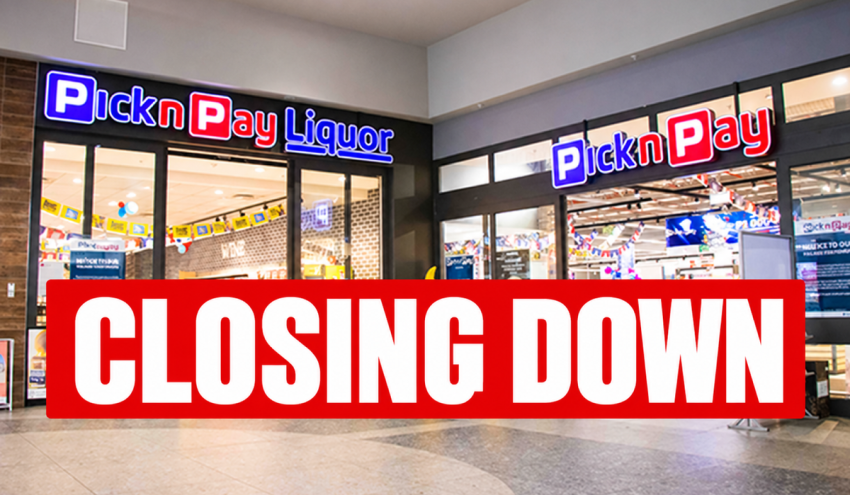
Pick n Pay has narrowed its losses while reducing its supermarket footprint as the retailer works to rebuild its business.
Results released on 26 October show that its company-owned and franchise supermarket and hypermarket network fell from 539 to 520 stores over 12 months.
The decline represents a net reduction of 19 stores across South Africa and other markets. It accounts for changes across the network, including closures, openings and conversions.
The franchise supermarket network declined by 21 stores during the year, while company-owned supermarkets and hypermarkets increased by two.
Pick n Pay also converted 14 franchise supermarkets into company-owned stores over the same period. Two supermarkets became Boxer Superstores during the latest six months.
The company says its store estate reset plan has concluded, although earlier closures continue to weigh on turnover growth.
Losses narrow as recovery progresses
For the 26 weeks ended 30 August 2026, the Pick n Pay business reduced its trading loss by 16.9%, from R621 million to R516 million.
Turnover remained almost flat at R36.4 billion. Gross profit increased by 3.9%, while trading expense growth was contained at 1.7%.
The wider group, which includes Boxer, reported a trading profit of R490 million. Its headline loss narrowed from R439 million to R299 million.
Boxer’s contribution helped the group achieve a trading profit while the Pick n Pay business continued to record a trading loss.
Online shopping delivers growth
Pick n Pay’s online turnover grew 35.4%, providing a bright spot in the results.
The retailer said adding clothing to its asap! app delivered sales ahead of budget, allowing customers to order groceries and clothing through one platform.
New labour model takes shape
SA Tribune reports that a revised store labour model will begin on 1 November 2026 following an agreement with labour partners.
Pick n Pay confirmed that the agreement concluded its Section 189A consultation process. The company says the changes support more flexible scheduling and improved cost management.
Management warned that substantial improvement is still needed. The Pick n Pay business is targeting break-even after lease interest in its 2029 financial year, with elevated fuel prices continuing to pressure consumers and operating costs.