
This comes as prolonged geopolitical tensions in the Middle East are expected to escalate, placing pressure on international oil prices.
South Africans have grown increasingly concerned about the country’s oil supply and rising fuel prices amid the conflict that has disrupted lives globally.
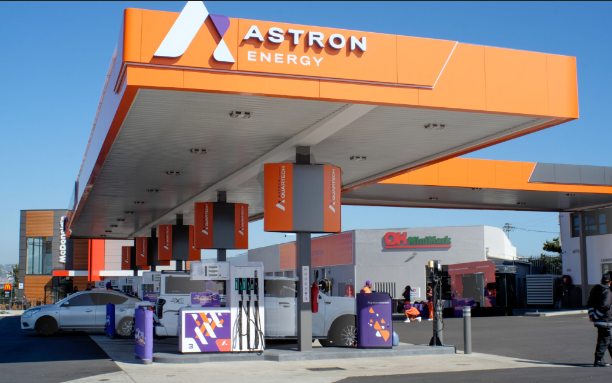
“Despite the closure of several refineries in recent years, South Africa currently has two operational crude oil refineries, namely NATREF and Astron Energy, in addition to the Sasol Secunda coal-to-liquids plant, which continues to play a critical role in domestic fuel production.
These facilities rely on crude oil imports sourced primarily from West Africa and increasingly from other countries across the African continent,” the Department said in a statement.
However, the Department’s spokesperson Lerato Ntsoko warned that the rise in international crude oil prices could result in higher fuel prices from April 2026.
“The under-recovery on fuel prices has been fluctuating since the onset of the conflict, and the Department will continue to monitor the situation closely,” said Ntsoko.
She added that oil companies currently importing refined petroleum products from countries affected by the conflict are actively exploring alternative supply sources to ensure uninterrupted fuel availability in the domestic market.
“The Department remains optimistic that the tensions will de-escalate in the near future, which would help stabilise global oil markets and contribute to improved fuel price conditions.”