


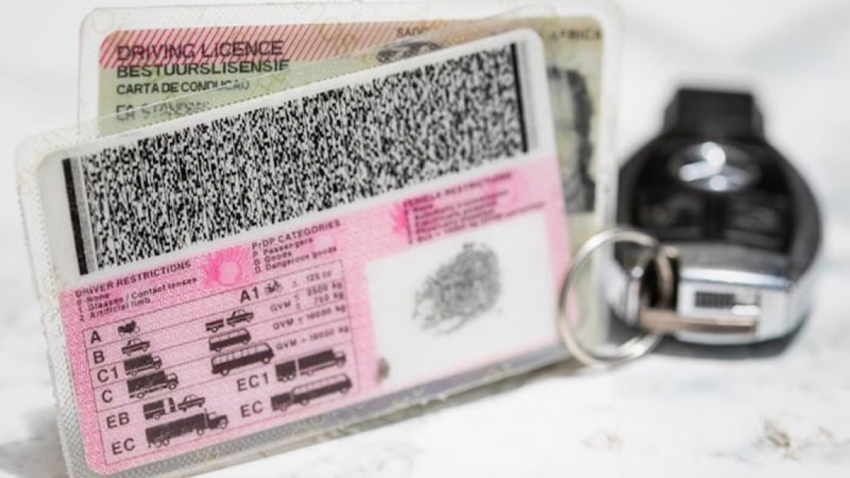
South Africa’s Driving Licence Card Account has outlined a new reform plan to speed up card production and prepare the country for a new driving licence card.
The plan is contained in the DLCA’s 2026/27 Annual Performance Plan, which was tabled in Parliament and introduced by Transport Minister Barbara Creecy.
The DLCA wants to reduce card production times to seven working days by the end of the 2028/29 financial year.
For motorists, the change will not happen immediately. The short-term card is still likely to look like the current licence card.
Backup printer after a major backlog
The plan follows a major disruption caused by the breakdown of South Africa’s single licence card printing machine between February and April 2025.
By May, the backlog had reached 756 227 cards.
The machine has been operating since 1998 and has reportedly broken down at least 160 times in its lifetime.
The DLCA said it cleared the backlog by December 2025 after printing 2 239 456 cards between 8 May and 8 December 2025.
A contingency arrangement has now been concluded with Government Printing Works, which produces smart ID cards and passports.
The backup system will allow GPW to produce current driving licence cards if the main machine breaks down again.
Seven-day target still years away
The DLCA has set a phased timeline for faster production.
In 2026/27, the target is an average production time of 21 working days. That is expected to drop to 14 days in 2027/28 and seven working days by the end of 2028/29.
The plan also sets production targets of 2.6 million cards in 2026/27 and 2.7 million cards in each of the next two years.
The DLCA said system upgrades, equipment changes, cybersecurity work and lower backlogs are all part of the turnaround plan.
Eight-year licence validity on the table
The department is also moving ahead with plans to extend driving licence card validity from five to eight years.
The proposal is expected to go to the Transport Minister in June 2026, Cabinet by March 2027 and Parliament by March 2028.
The DLCA must also restart the tender process for new production equipment after the Gauteng North High Court ruled on 6 January 2026 that the earlier R898 million tender was irregular, invalid, unlawful and unenforceable.