
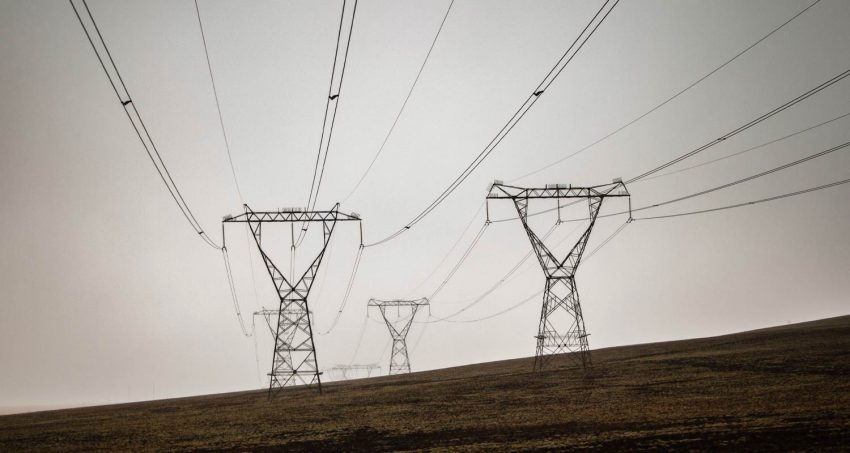
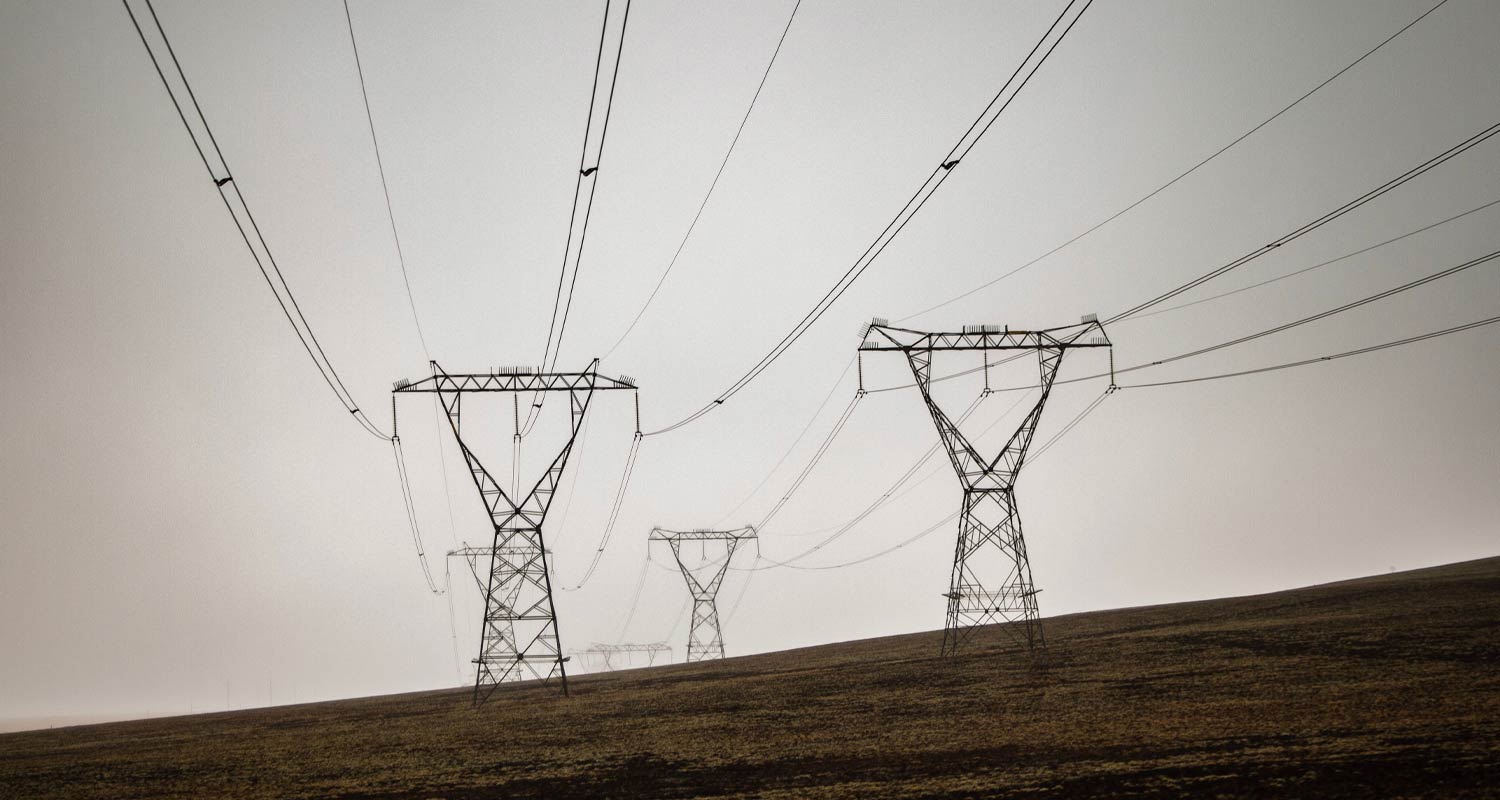
Rating agency Moody’s has cautioned that the planned separation of South Africa’s national electricity grid from Eskom could weaken the utility’s creditworthiness, even as it affirmed Eskom’s credit ratings on the back of a year without load shedding and a strengthening balance sheet.
In a ratings action on 29 May, Moody’s affirmed Eskom’s B2 long-term corporate family rating and kept its outlook stable. But the agency used the assessment to flag the risks attached to one of government’s flagship energy reforms: the carving out of transmission assets into a fully independent, state-owned entity.
The first step in that process was the establishment of the National Transmission Company South Africa (NTCSA). The presidency favours complete separation of transmission assets and activities from Eskom, and a task team under the National Energy Crisis Committee (Necom) has been formed to recommend how an independent transmission system operator should be phased in.
Moody’s warned further separation of NTCSA from Eskom would be complex to implement. Transferring grid assets and the cash flows they generate would likely weaken Eskom’s business risk profile, and credit quality “could be significantly impaired” without mitigating measures, it said. Critically, the agency noted that creditor consent would be required to avoid a breach of debt terms, meaning the ultimate impact on bondholders will hinge on how the reorganisation is structured.
The warning comes at a moment when Eskom’s operational story has rarely looked better. The utility’s energy availability factor (EAF) – a measure of how much of its fleet is able to generate – climbed to 65% in FY2026 from a low of 55% in FY2024, and South Africa has gone more than a year without national load shedding. Better plant performance has cut Eskom’s reliance on expensive diesel-fuelled open-cycle gas turbines, supporting profitability, while government debt relief has bolstered its balance sheet and liquidity.
Municipal debt
Moody’s was clear in its report that the threat to Eskom’s finances has shifted rather than disappeared. Municipal debt arrears continued to climb, exceeding R114-billion at the end of December 2025, with little tangible progress from interventions such as distribution agency agreements and prepaid supply models. Combined with falling electricity sales – particularly to industrial customers – and tariffs that still fail to cover Eskom’s costs on a timely basis, the agency said the trend poses a risk to the utility’s financial sustainability.
The affirmation followed Moody’s decision on 22 May to change its outlook on the South African government to positive from stable, while affirming the sovereign’s Ba2 rating. Eskom’s ratings are closely tied to the state, which owns it outright and has a track record of support.
Read: SA telecoms industry veteran appointed to top Eskom job
Under a debt relief programme, Eskom has received about R220-billion, of which R140-billion has been converted to equity, with a further R10-billion earmarked for FY2029. Moody’s estimated the utility’s cash and available investments at around R143-billion at the end of March 2026 – enough to cover its obligations in FY2027 – but said Eskom would likely need to raise new borrowings during 2027 given its R343-billion, five-year capital expenditure plan and scheduled debt maturities.
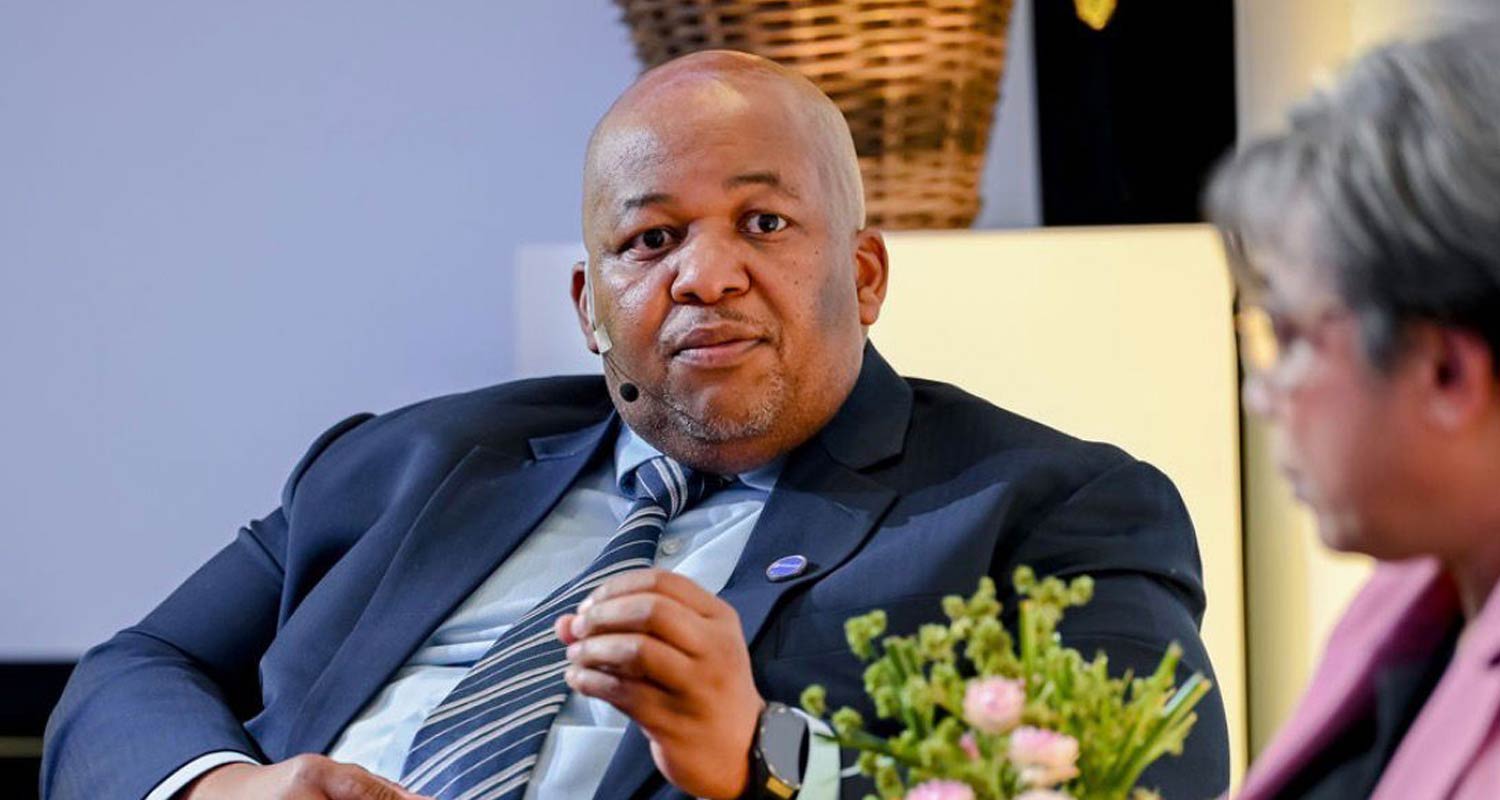
Eskom welcomed the affirmation. Group CEO Dan Marokane said the utility “remains focused on delivering the turnaround plan” to restore operational and financial stability, and pointed to the year without load shedding as advancing grid stability and energy security. He tied that progress to the broader push towards market liberalisation and the integration of renewable energy. – © 2026 NewsCentral Media