
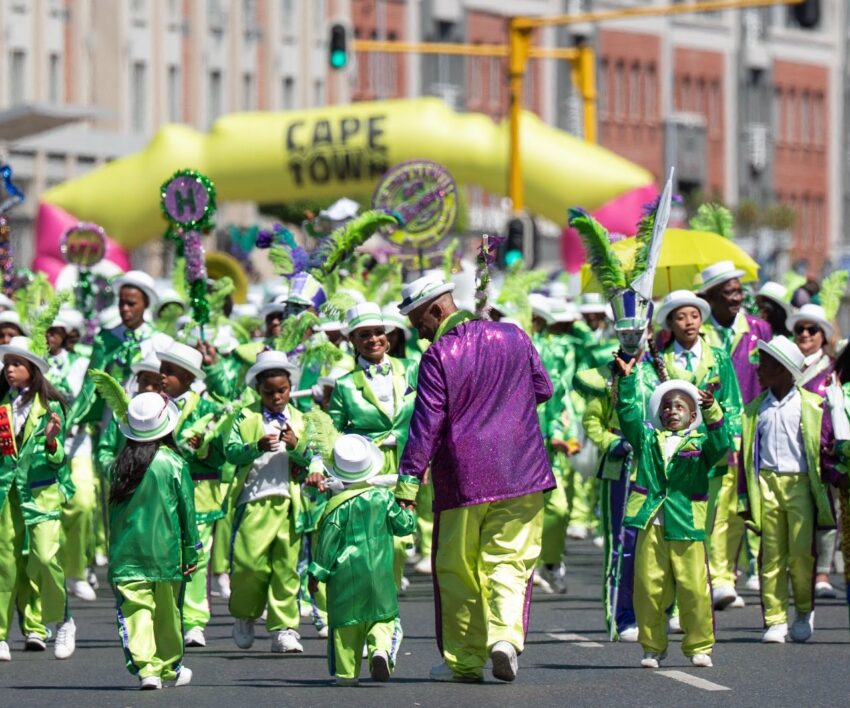
Generations Gather for Cape Town’s Iconic Kaapse Klopse Parade
A Tradition that Moves the City
Cape Town came alive this January as the streets reverberated with the rhythms of Kaapse Klopse, also known as the Cape Minstrels, celebrating Tweede Nuwe Jaar—the Second New Year. Parents hoisted toddlers onto their shoulders, grandparents waved from the sidelines, and the scent of glitter, brass, and tradition filled the air.
This year, the parade arrived with a twist: originally set for January 2, it was moved to Monday, January 5, out of respect for Jumu’ah, the Islamic holy day. Such adjustments reflect ongoing efforts to balance logistics, permits, and community needs while honouring tradition.
From Slavery to Celebration: The Roots of Kaapse Klopse
For over 140 years, Kaapse Klopse has been more than pageantry—it’s a living link to Cape Town’s past. The festival originated in the 19th century, when slaves were granted January 2 as their only day of freedom. They celebrated with music, dance, and satire, blending African, Southeast Asian, and European influences, often mocking their former masters through creative performances.
Every note of goema, every sparkling costume, and every satirical chant carries echoes of resilience and defiance.
This Year’s Parade: Culture Meets Controversy
Ahead of the 2026 parade, legal disputes stirred the community. The Cape Town Minstrel Carnival Association (CTMCA) had booked Vygieskraal Stadium for pre-parade competitions, only to have approval withdrawn. A High Court eventually mandated the city to provide a venue, a reminder of the deep passion for maintaining this cultural heritage.
CTMCA also marched to the Western Cape legislature, warning against “cultural erasure” and stressing that Tweede Nuwe Jaar isn’t merely entertainment—it’s a living history of Cape Town’s Coloured and working-class communities.
Community Voices: Pride and Education
Fashion designer Laverne Turner-Manuel reflected on her first true understanding of Kaapse Klopse this year. “Watching the performances, I realised the dates and the satire are tied to a history of slavery. It made me emotional… I am extremely proud of the troupes marching today,” she said.
Award-winning actor and comedian Siv Ngesi was also spotted among the performers, bringing laughter and energy to the streets, a testament to the festival’s enduring appeal across generations.
A Living Connection Across Generations
For Capetonians, Kaapse Klopse is a family affair. Parents introduce children to their favourite troupes, grandparents reminisce about marching in their youth, and the city pulses with shared memory.
The costumes, music, and dance aren’t just for spectacle, they are living stories, connecting the present to a past marked by resilience, joy, and cultural identity.
Despite changes, legal battles, and shifting dates, Kaapse Klopse remains a beating heart of Cape Town, reminding locals and visitors alike that culture, history, and community are inseparable.
Source: IOL
Featured Image: X{@TheCapeArgus}