
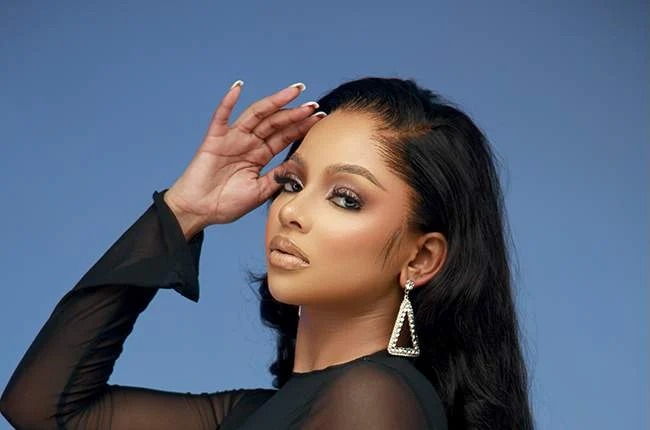
When one of South Africa’s most followed influencers spoke up about fear and intrusion, many people paused to reflect. Mihlali Ndamase recently shared a deeply personal statement that lit up social media and sparked a fierce conversation about privacy, consent, and what it means to feel unsafe in plain sight.
Public plea after months of fear
Mihlali Ndamase made headlines again, not for a fashion launch or beauty collaboration, but because she publicly named a man she says has crossed every boundary. She says this individual’s behaviour became frightening after she declined his romantic advances. Ndamase detailed eerie patterns of following, showing up unexpectedly at her workplace and tracking her movements in public. She also said that people were allegedly paid to take photos of her without consent and that members of her family had been approached without warning. According to her, this wasn’t just one uncomfortable encounter but a series of intrusive actions that left her genuinely worried for her safety and that of her loved ones.
Across feeds and timelines in South Africa, many expressed shock and support. On X, formerly known as Twitter, supporters rallied behind her message that “silence has become unsafe” and praised her bravery in speaking out when so many might have stayed quiet behind private messages and unseen blocks.
A broader conversation about consent and celebrity
Mihlali’s statement was not just about one person’s actions. She used her experience to underline a deeper societal issue. Being in the public eye does not equal an invitation to invade someone’s life. Critics and followers alike shared their own stories and frustrations online, which opened up a wider discussion about how women, and especially women with public profiles, navigate unwanted attention in a world where screens make boundaries blurry.
Social reaction and the ripple effect
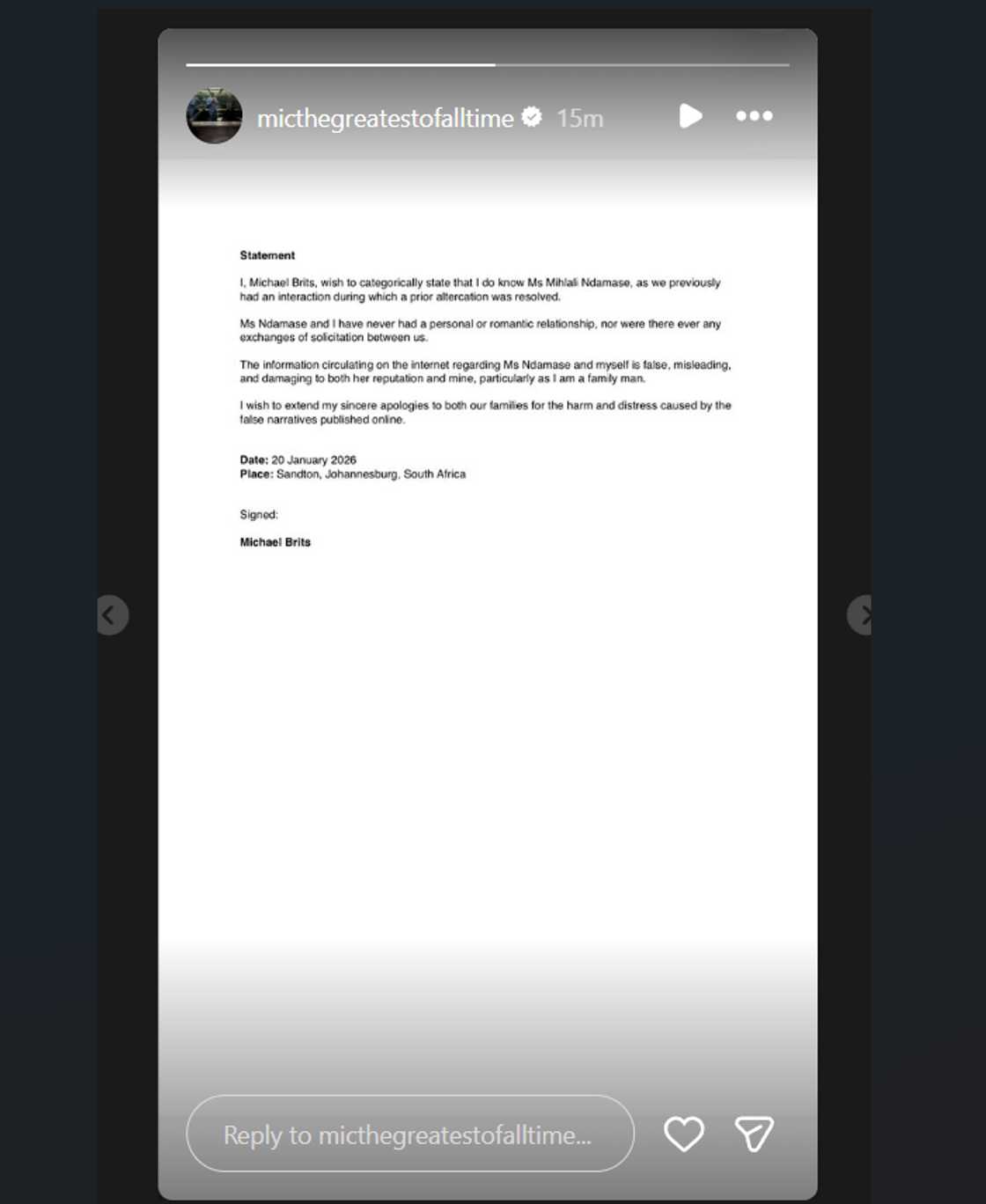
Online commentators did some digging and shared personal details about the man she named, including claims about his personal life. This added fuel to the fire of the conversation and drew even more attention to privacy rights. Many said that regardless of fame, small gaps in how fan interactions are handled can lead to misunderstanding and danger. Others pointed out that public figures should have the same safety protections as anyone else when dealing with unwanted attention.
The statement from Ndamase wasn’t just news for her followers; it was a call for respect and a reminder that personal safety and consent matter everywhere. It also brought into focus how quickly rumours can spread and how damaging false narratives can be when mixed with very real fear.
Looking ahead
Mihlali’s voice in this moment is more than a headline. It has sparked genuine debate about boundaries and what society needs to do to better protect individuals who are targeted, whether they are celebrities or everyday people. Her statement has urged both her supporters and critics to look closer at how we talk about consent, attention, and the space between admiration and intrusion.
Source: Briefly News
Featured Image: News24