


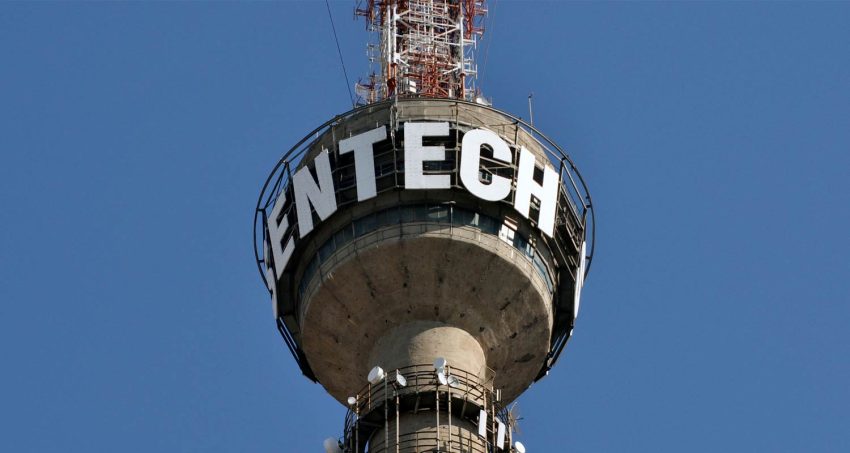

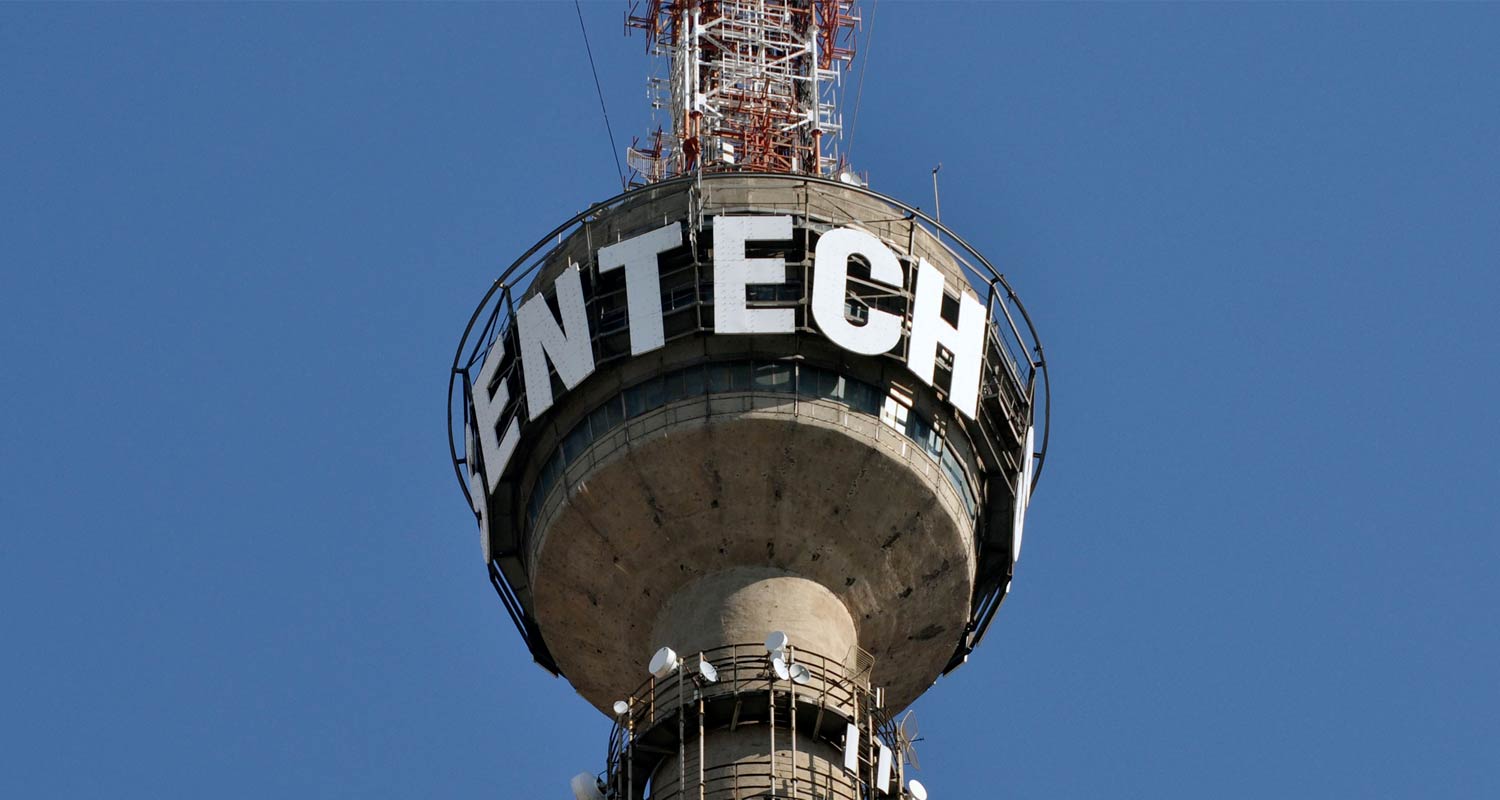
Communications regulator Icasa has published draft regulations that will, when introduced, significantly tighten oversight of Sentech’s terrestrial broadcasting signal distribution business, formally declaring the state-owned company to have significant market power across television, FM radio and AM radio transmission services.
The proposed signal distribution services regulations, published in the Government Gazette on Friday, follow a multi-year market inquiry by the regulator into the structure and competitiveness of South Africa’s broadcast signal distribution market.
Icasa has concluded that the relevant wholesale markets for terrestrial signal distribution are ineffectively competitive, largely because of high barriers to entry and the capital-intensive nature of broadcast transmission infrastructure. As a result, the regulator has determined that state-owned Sentech effectively operates as a natural monopoly in the provision of signal distribution services to broadcasters.
“Sentech has significant market power due to its dominance” in terrestrial television, FM sound broadcasting and AM sound broadcasting, Icasa said in the draft regulations.
According to the regulator, this dominance has resulted in market failures, including a lack of pricing transparency and limited ability for broadcasters to assess whether transmission tariffs and service quality are aligned with competitive outcomes. Without regulatory intervention, Icasa said, prices and service levels are unlikely to be constrained by market forces.
Both the SABC and e.tv owner eMedia have complained bitterly about the fees Sentech charges to carry their signals terrestrially to all corners of South Africa. The SABC and Sentech remain locked in a dispute over the fees, with the public broadcaster reportedly owing the signal distributor hundreds of millions of rand in unpaid fees. That dispute is now the subject of arbitration, a process being overseen by the department of communications & digital technologies.
Obligations
Sentech sits at the heart of South Africa’s broadcasting ecosystem, carrying television and radio signals for public and commercial broadcasters nationwide. For many broadcasters, there is no realistic alternative supplier.
Icasa is now proposing a series of pro-competitive obligations that would apply to Sentech once the regulations come into force.
Read: Sentech turns in loss despite hike in revenue, clean audit
Central among these is a requirement that Sentech submit “reference offers” for each defined wholesale signal distribution market. These documents must set out standardised terms and conditions for access to Sentech’s transmission services, including pricing, technical specifications, service levels and dispute-resolution mechanisms.
Sentech will have 45 days from the effective date of the final regulations to submit these reference offers to Icasa for approval. Once approved, they must be published publicly, allowing broadcasters and other stakeholders to scrutinise the terms under which signal distribution services are provided.

Icasa has also stipulated that Sentech’s tariffs must be reasonably derived from the cost of provision, allowing for the recovery of efficiently incurred costs and a return commensurate with risk. While detailed cost modelling will be addressed in a later phase, the regulator said the principle of cost-based pricing is necessary to prevent excessive or opaque charges in a monopolistic market.
The draft regulations further strengthen Icasa’s role in dispute resolution. If a broadcaster and Sentech are unable to reach agreement on transmission terms, either party may refer the matter to the regulator. Icasa’s determination in such disputes will be final and binding.
Fines
To support ongoing oversight, Sentech may also be required to submit detailed information on the assumptions and inputs underpinning its tariffs. Failure to comply with key provisions of the regulations could result in administrative fines of up to R5-million under the draft rules.
Icasa said it will review the regulated markets at least every five years, or sooner if there are significant developments.
Read: Government steps in to resolve SABC, Sentech tariff feud
Stakeholders have 30 working days from the date of publication to submit written representations on the draft regulations. This feedback will inform the final document. – © 2026 NewsCentral Media
Get breaking news from TechCentral on WhatsApp. Sign up here.