
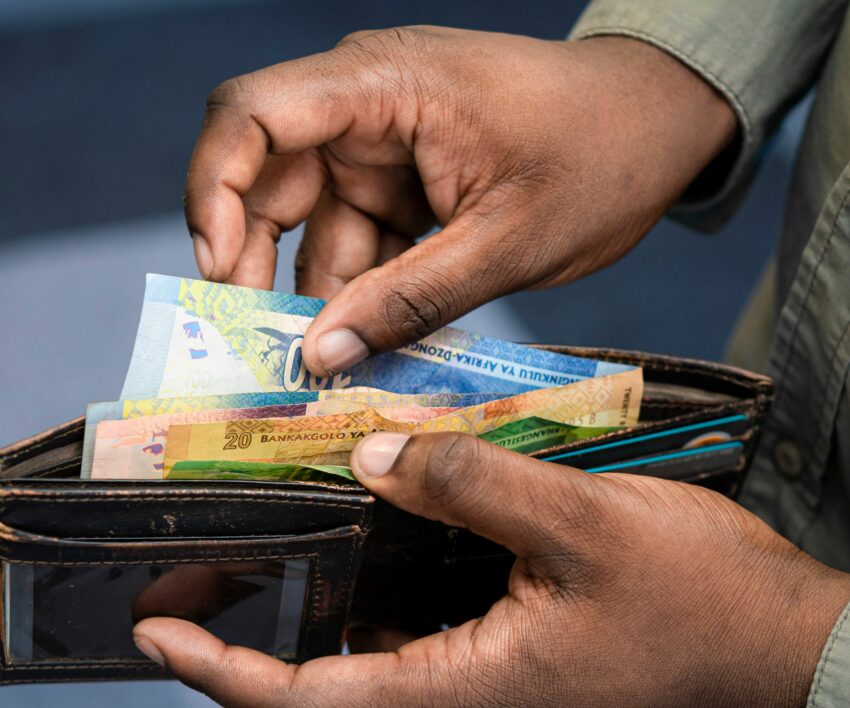
Image: Pexels / Edge Training
Learning to prepare financially for illness is one of the most important steps you can take to protect your income and maintain peace of mind when unexpected health challenges arise.
Also see: Why you handle money the way you do
While many people recover from illnesses within a few days or weeks, especially during the colder seasons, some health conditions can keep them away from work for much longer. When that happens, the impact often extends beyond physical well-being and can also affect finances.
The company Medical and General notes that taking a closer look at the financial safety net now could help people avoid unnecessary money worries later.
3 Practical steps to prepare financially for illnesses
1. Know what income you would receive if you couldn’t work
The first step is understanding exactly what would happen to your income if illness prevented you from doing your job.
Medical and General explains that some employees have access to some form of sick pay, but the amount and duration of pay can vary significantly from one employer to another. Some companies may offer enhanced benefits, while others may provide only the minimum required support.
Reviewing your employment contract or speaking to your HR department can help clarify what you would receive and for how long. Having this information upfront allows you to identify whether there could be a shortfall between your income and your monthly expenses.
Also see: The importance of always taking sick leave
2. Build an emergency fund before you need it
Once you understand your potential income during a period of illness, the next step is creating a financial buffer.
An emergency fund is designed to cover essential expenses when unexpected events occur. Ideally, this money should be kept in an account that is easy to access when needed, the company adds.
Many financial experts recommend saving enough to cover about six months of essential living expenses. However, the amount that’s right for you will depend on your personal circumstances.
For example, if your employer offers generous sick leave benefits, you may feel comfortable keeping a smaller emergency reserve. If your income drops significantly during illness, a larger fund could provide valuable peace of mind.
3. Consider financial protection for long-term illness
Income protection cover is designed to provide a regular monthly payment if illness or injury prevents you from earning an income. The money can be used to cover everyday costs such as groceries, rent, bond repayments and utility bills.
It’s important to remember that not every illness is covered by every policy. Reading the terms carefully can help you understand exactly what protection is included before making a decision.
People with spouses, children or other dependents may also want to explore life insurance as part of their broader financial plan. This type of cover can provide financial support to loved ones if the policyholder passes away.
Also see: The long-term effects of living in survival mode
Be the first to know – Join our WhatsApp channel for content worth tapping into. Click here to join!