
Here are steps to follow if you do not agree with the write-off decision.
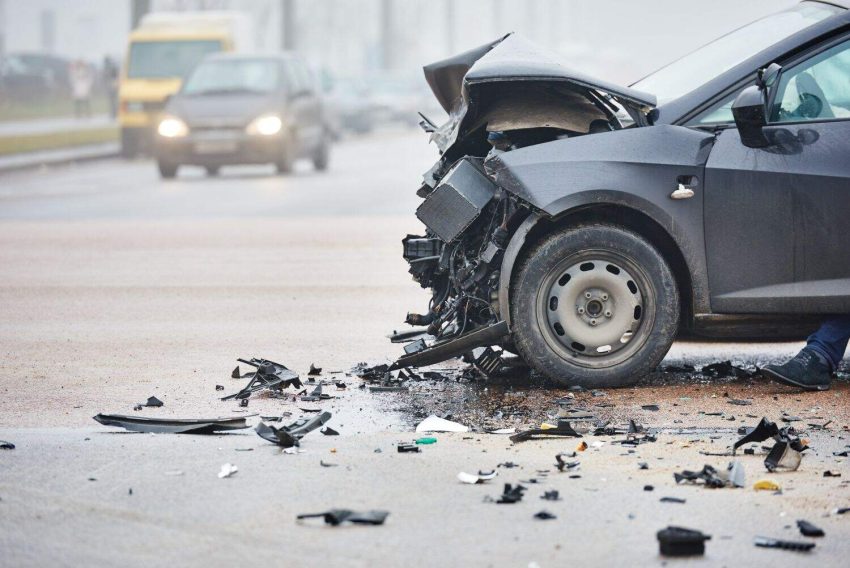
One of the most frustrating things for someone to hear after their car has been involved in an accident is that the vehicle is a “write-off”.
This is when the insurer decides repairing the car does not make financial sense, or it is not safe to put back on the road.
Some people can find this process beyond frustrating, especially if the car does not look that badly damaged to the eye.
ALSO READ: Understanding car insurance: How much coverage do you really need?
How does an insurer decide that a car is a write-off?
Ernest North, co-founder of the car insurance provider Naked, says an insurer may decide to write off a car after a major accident, or, less commonly, if it is damaged by fire or severe weather, or recovered in poor condition after being stolen.
“When you submit a claim, the insurer will appoint an assessor to inspect the vehicle and calculate the cost of repair,” says North.
“If the repair costs are high compared to the car’s value, the insurer may decide it is a total loss rather than something that should be repaired.”
Costs of repair before writing off a car
He highlights that thresholds can differ between insurers; a common rule of thumb is that if repairs are likely to exceed 50–75% of the car’s value, the car is usually written off.
“In simple terms, the insurer is weighing up what it would cost to repair the car properly and safely, against what the car is worth,” adds North.
“If the numbers don’t make sense, or there are safety concerns, it’s more likely to be written off.”
Key factors that influence the decision include:
●How severe the damage is – bad structural damage to the frame of the car might make it too expensive or even impossible to repair safely.
●The age and condition of the car – it does not make sense to pay more to fix the car if repairs will be more than its book value.
●Parts availability – imported or luxury vehicles can be expensive and slow to fix.
ALSO READ: Report from ombud gives valuable lessons about car insurance
What happens after?
North says if one’s car is written off, then the insurer will pay out to the driver instead of paying to have the car repaired.
The payout will be based on the terms of the policy, usually the insured or market value of the car minus the excess.
“If you are still paying off your car, the payout will be used to settle what you still owe to the bank,” says North.
“Many people only realise after the fact that the settlement is first used to cover the outstanding finance. If there’s a shortfall, meaning you owe more than the insurer pays out, you’re responsible for that gap unless you have shortfall cover.”
What the insurer does with the scrapped vehicle
He adds that once the claim is settled, the insurer usually becomes the owner of the damaged vehicle. In most cases, the insurer takes ownership of the damaged car and sells it for salvage or scrap.
“Some insurers may allow you to buy your car wreck. However, your bank must agree if you still owe money.
“In this case, the insurer deducts the car’s salvage value from your payout, and you will take responsibility for repairs, roadworthy tests and re-registration.”
Salvage value
Pineapple insurance said, “Salvage value is the estimated amount your car is worth after a total loss.”
Even though the vehicle may no longer be drivable, many of its parts can still be sold, or the car itself can be scrapped for its metal value.
“For example, let’s say your car’s retail value is R120 000 at the time of the accident. After assessment, the insurer determines that the salvage value is R30 000. That means the payout to you would be calculated as the retail value (R120 000) minus the salvage value (R30 000), which equals R90 000.”
If you disagree with a write-off decision?
Pineapple listed the following rights when it comes to disputing a write-off decision your insurance provider has made:
- Request all documents and assessments related to a write-off decision.
- Get clear explanations on how the decision was made, including the assessment process and how salvage value was determined.
- Dispute or negotiate your settlement amount if you believe it doesn’t reflect your car’s pre-accident retail value.
- If you’re not happy with how your insurer handled things, you can file a complaint with the FSCA or the NFO (National Financial Ombud Scheme).
NOW READ: Is now the right time to buy your next car with lower inflation and interest rates?