
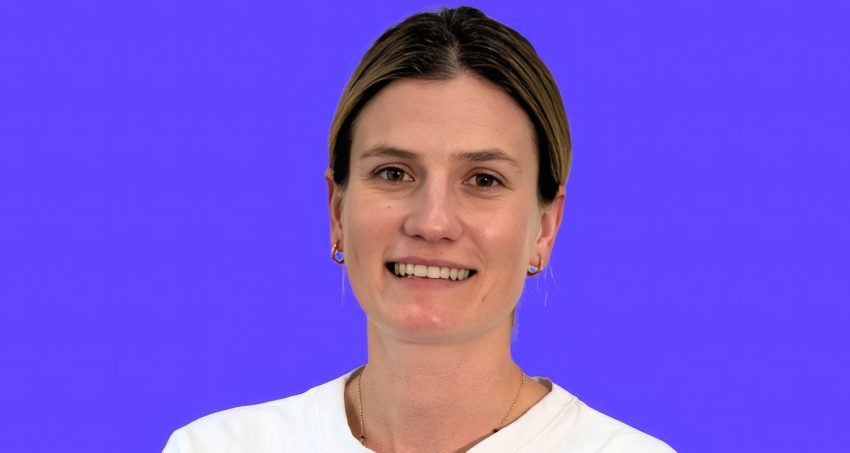
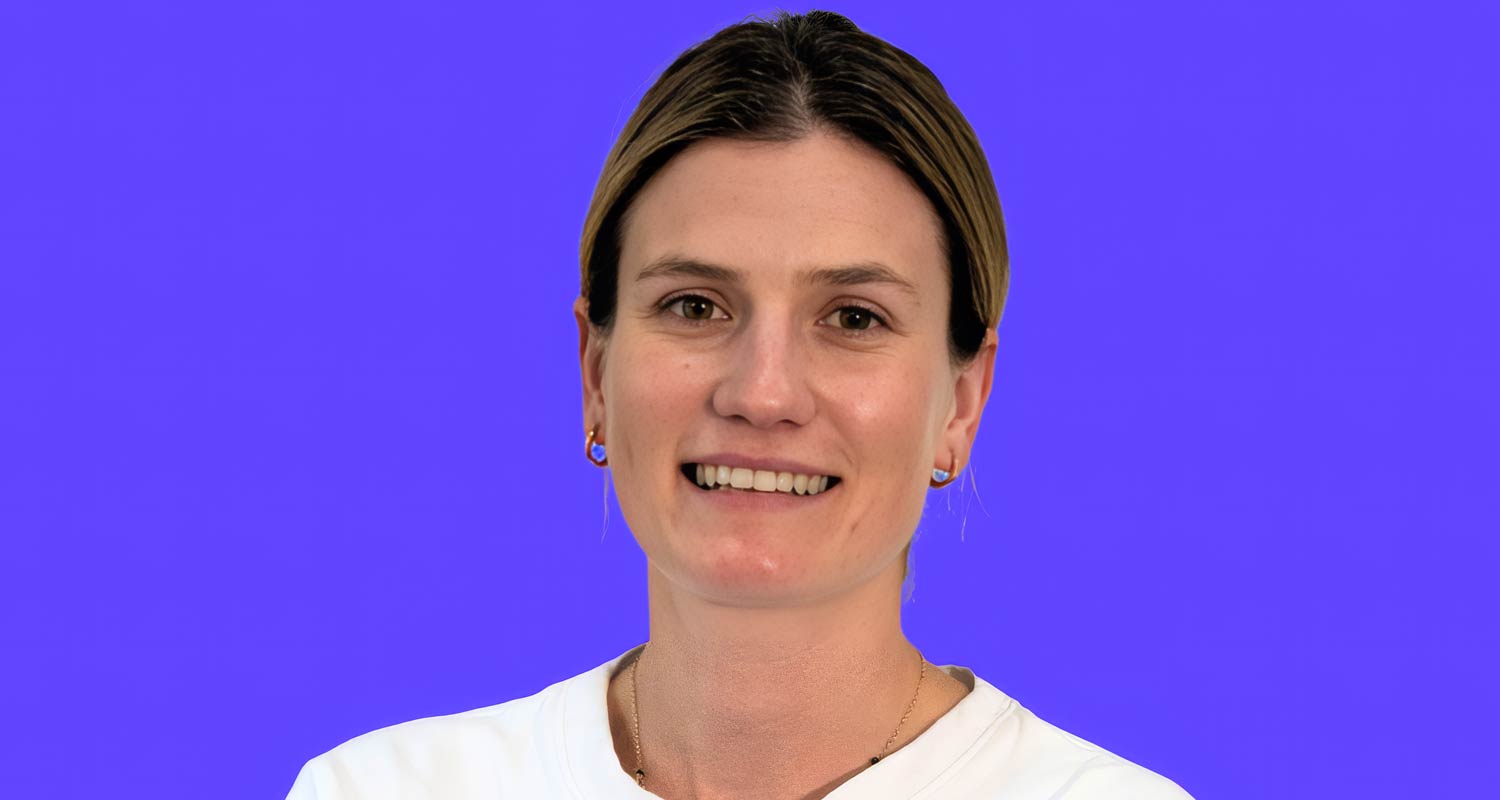
Tayla Dandridge says there are nights she would rather not fall asleep, for fear of missing out.
“You almost feel like you don’t want to go to sleep because something’s going to drop,” she says of the pace at which the world’s largest AI labs are shipping new models. “You’re going to wake up and one of the big three or four are going to drop something that makes you think, oh my goodness, we should be using that.”
That mix of excitement and dread is the daily backdrop for Dandridge, co-founder of stub, a South African accounting software start-up betting that AI can let a tiny team do something the global incumbents have not bothered to: build genuinely simple financial tools for the country’s smallest businesses.
Stub is small by any measure – seven people in total, four of them founders, spread across London, the US and South Africa. The core team, Dandridge included, came out of Absa, where they spent years building digital products before concluding that the country’s micro and informal businesses were being left behind by software built for someone else.
The “whales”, as she calls them – Xero, Sage and QuickBooks – were designed for accountants and people with financial training, she argues, and priced for global markets. Stub’s bet is that the side hustler in Soweto and the spaza shop owner running a business through a personal bank account need something else entirely: simple, automated accounting software. The product is offered on a “freemium” model, with a free tier for invoicing, quoting and expense tracking, and a paid tier at R189/month that unlocks automation, reporting and integrations.
Changes the narrative
The company says it has now onboarded nearly 10 000 entrepreneurs. It has customers in 14 countries, but South Africa – where the bank integrations and local tooling actually work – remains its principal market.
Stub has wired AI into both how it operates and what it sells. Dandridge says the pace of its development cycle has accelerated sharply, with engineers shipping far more, far faster. The company is also starting to lean on AI in customer support, a function that balloons into a full-time job as a platform scales.
More consequentially, AI has reshaped how stub thinks about its own product. “It really changes your narrative around: are you a software that provides pieces of tools, or are you a platform that gets the work done?” Dandridge asks. Stub has moved decisively towards the latter – automating reconciliations, payment reminders and categorisation so the entrepreneur does less of the work themselves.
Stub’s growth has come through stitching itself into the tools its customers already use. Its first anchor partnership was with iKhokha. A Capitec deal followed, giving it a direct line into the bank’s push to capture more of South Africa’s informal and micro-business sector.
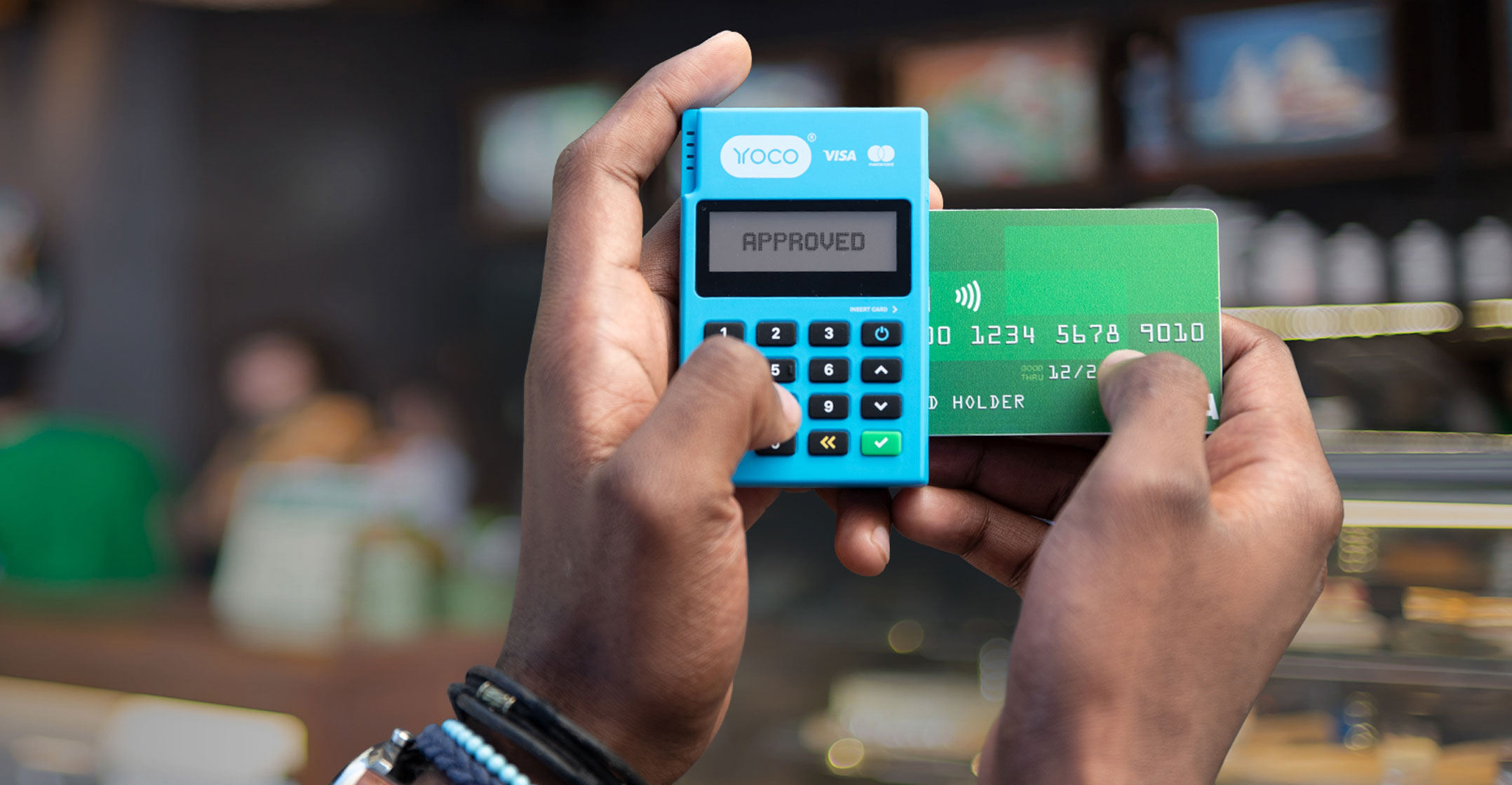
More recently, it built a two-way integration with payments firm Yoco, which counts more than 200 000 South African merchants. Sales data flows automatically from Yoco into stub, which reconciles it against bank transactions.
Those integrations are harder than they sound in a market with no open banking regulation. Without it, Dandridge says, fintechs are forced to negotiate bank by bank, leaning on third-party aggregators where direct connections are not possible.
Dandridge says stub raised capital from angel investors after building much of the platform on the founders’ own funds. She is non-committal on venture capital, calling it a question of timing rather than appetite.
The road map runs through the things small business owners dread most. Income tax and VAT are the “two big-ticket items” stub plans to tackle next, alongside payroll and a forthcoming “established entrepreneur” plan aimed at slightly larger customers, which she expects to launch towards the end of this year.
For now, stub remains a seven-person team trying to outbuild companies many times its size – and, increasingly, doing so on the back of AI tools that are getting more powerful with every passing week. – © 2026 NewsCentral Media