
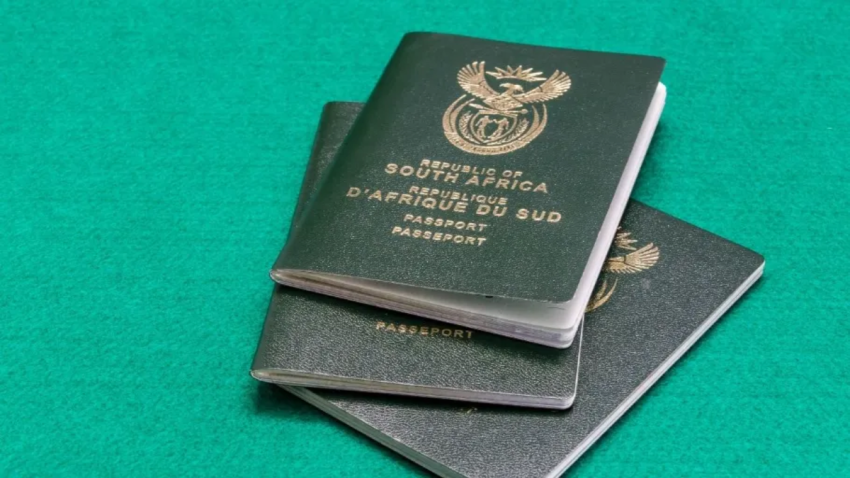
The Department of Home Affairs is investigating 21 cases involving identity theft and fraudulently obtained identity documents in South Africa.
TimesLIVE reports that Home Affairs Minister Leon Schreiber disclosed the figure in a parliamentary response to EFF MP Thapelo Mogale.
Joburg ETC separately reports that the cases are being investigated by the department’s Counter Corruption and Security Services branch.
Officials could face disciplinary action
According to TimesLIVE, Schreiber said internal disciplinary proceedings would be launched if investigators find evidence that Home Affairs officials helped imposters unlawfully obtain South African documents.
Cases where investigators uncover prima facie evidence of criminal conduct will be referred to the relevant law enforcement agencies for criminal investigation.
Joburg ETC reports that the department could also recommend action against foreign nationals found to have obtained documents unlawfully and assist South Africans affected by identity theft.
The investigations do not mean wrongdoing has been established in all 21 cases.
Biometrics used to detect identity fraud
Schreiber said Home Affairs uses biometric enrolment and verification processes, supported by identification systems and the National Population Register, to detect duplicate, fraudulent or compromised identities.
The department also checks source documents and supporting records against the National Population Register and related systems, according to TimesLIVE.
Other detection methods include risk-based system controls, exception reporting and investigations triggered by complaints, intelligence reports and internal findings.
Joburg ETC reports that Home Affairs also works with law enforcement and security agencies when investigating suspected identity fraud.
Home Affairs shares information with IEC
Mogale also asked whether Home Affairs works with the Electoral Commission of South Africa to prevent suspicious identity documents from being used during voter registration and voting.
Schreiber confirmed that Home Affairs and the IEC have information-sharing and verification arrangements.
According to TimesLIVE, an electronic interface allows identity information submitted during electoral processes to be checked against the National Population Register and other departmental systems.
The two institutions also work through established intergovernmental structures on election preparations and the integrity of identity information used during electoral processes.
Schreiber said biometric systems can identify duplicate, fraudulent, cancelled, blocked or otherwise invalid identity records, helping protect the integrity of the National Population Register.