


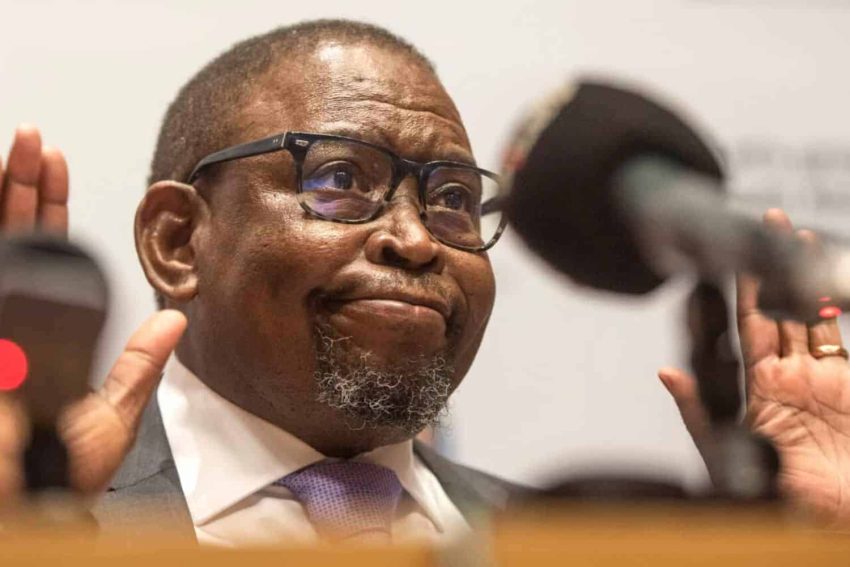
The fuel levy cut for April costs the country about R6 billion.
The South African government may extend the fuel levy cut beyond the initial April deadline.
Finance Minister Enoch Godongwana said the government can only afford to offer support for a limited time, warning that there is no room in the fiscus to continue funding the measure for a long time.
His statement comes as escalating conflict in the Middle East pushes global oil prices higher, threatening to drive up the country’s fuel costs.
The temporary extension would soften the blow for motorists and businesses, but Treasury cautioned that ongoing support is unlikely unless conditions improve.
With oil prices rising and public finances already stretched, the measure underscores the difficult trade-off between cushioning consumers and maintaining fiscal discipline.
Fuel levy cut costs SA R6 billion
Godongwana announced a R3 fuel levy cut at the beginning of April and said it would last for only one month.
However, tensions in the Middle East war have not eased and continue to drive up global oil prices, which means motorists are likely in for another petrol price hike in May.
This relief offered at the fuel pumps cost the government approximately R6 billion, and, should it be extended, will drain the public purse further.
Bloomberg reported that Godongwana said the country does not have the money to offer such support for a longer period.
SA has no money for fuel levy relief
“The fiscus can’t afford any support, longer-term support,” said Godongwana in an interview at the spring meetings of the International Monetary Fund and World Bank in Washington.
“We simply don’t have the money to do so. And, secondly, we don’t know how long fuel costs will remain elevated, he said.
“We will evaluate at the end of April whether to go beyond 5 May, and, if so, for how long,” Godongwana said. “For three months, we can survive, but that is a hard, hard deadline” for the subsidy to end, he added.
What about relief to paraffin?
Organisations have previously criticised Godongwana for failing to provide any relief to illuminating paraffin prices, which are widely used by many disadvantaged households, and are also priced based on global oil prices.
It is unclear whether he will include illuminating paraffin when he extends the fuel levy cut.
Godongwana added that, at this stage, Treasury cannot yet determine the extent of the damage the conflict has caused to the country’s economy.
Special grant
Independent economist John Loos highlighted that higher oil prices are expected to slow global economic growth, with South Africa unlikely to escape the impact.
Speaking on The Money Show on 702 on Monday evening, he said government needs to find the most suitable way to manage the situation.
Loos mentioned maybe offering people special grants. However, he warned the issue with that is the difficulty in cancelling them.
“You could give some special grant to people as well…but the problem with special grants is they tend to become too difficult to get rid of after the crisis has passed.”
An example is the Social Relief of Distress (SRD) grant, which was initially introduced during the Covid-19 pandemic for unemployed people. Nearly six years later, the grant remains in place and has increased from R350 to R370.
Support Local Journalism
Add The Citizen as a Preferred Source on Google and follow us on Google News to see more of our trusted reporting in Google News and Top Stories.