





The war in the Middle East, and the resultant spike in the price of fuel, is driving a major shift in thinking about electric mobility by both consumers and logistics firms, industry players have told TechCentral.
South Africa’s diesel price has crossed R30/l, driven by supply disruptions linked to the US/Israeli war against Iran, and the pressure is now showing up in fleet corporate boardrooms and car showrooms alike.
For logistics companies, fuel is not a minor line item. It is one of the largest and most unpredictable operating costs in the business. With diesel prices surging to record levels, some operators are no longer treating electric vehicles as a future consideration.
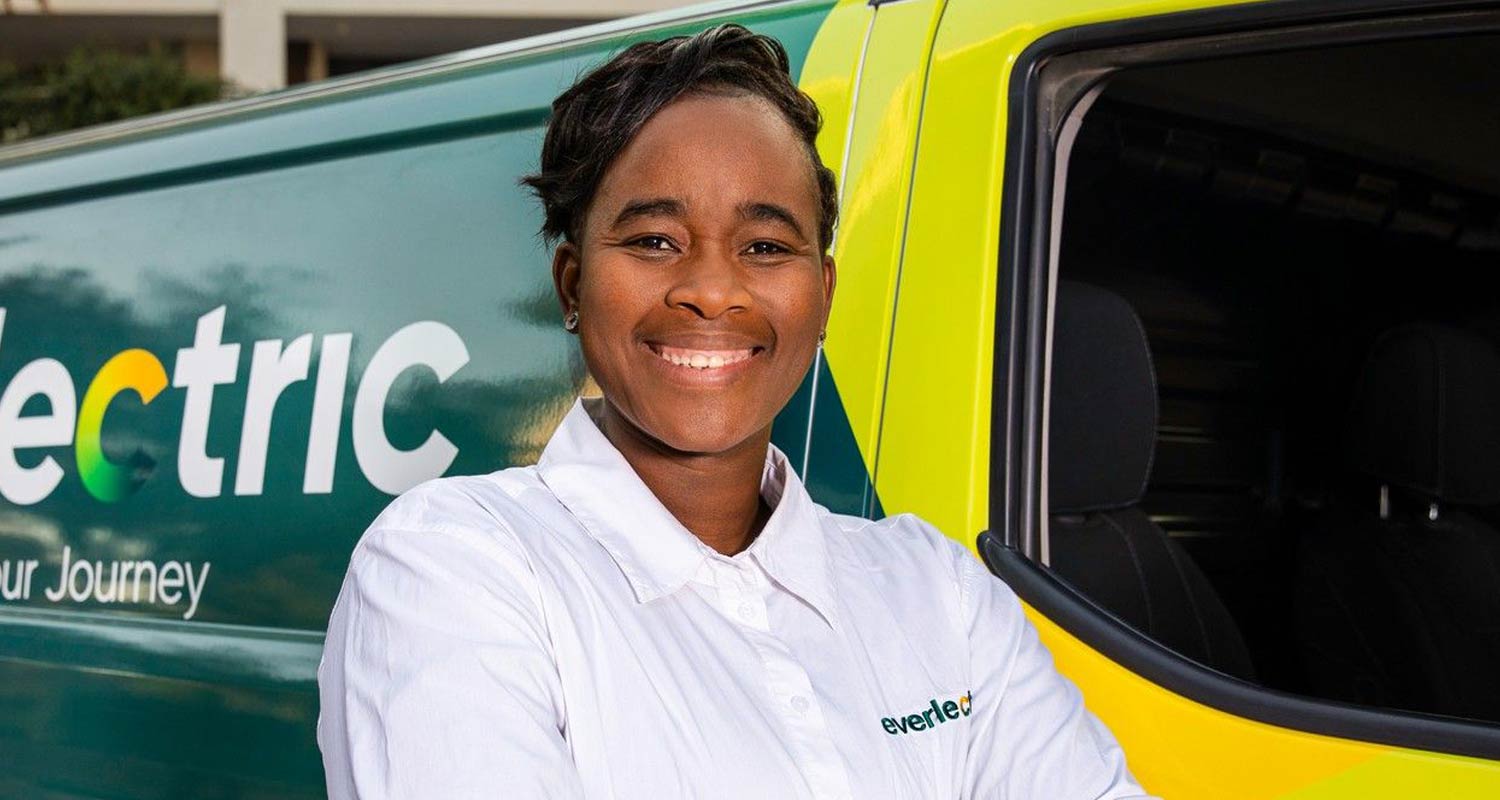
Ndia Magadagela, co-founder and CEO of Everlectric, which supplies electric delivery vans to clients including Woolworths, told TechCentral that the nature of inbound demand has changed.
A few years ago, companies came to her with concerns about carbon emissions and the need to be friendlier to the environment under ESG (environmental, social, governance) guidelines. Now they come with spreadsheets. “Rising fuel costs, pressure on transport margins and the need for more predictable operating expenses are driving much more serious engagement from operators,” she said.
She said the strongest business cases emerge where fleets travel more than 3 500km/month, because fuel savings compound quickly at higher utilisation levels. Below that threshold, the economics are less clear.
The economics
“The energy cost per kilometre drops materially,” she said, “especially when charging is optimised during off-peak periods.”
There is no single diesel price that makes the switch automatic, she said. The economics depend on daily mileage, route predictability, payload requirements, charging access and vehicle utilisation. But, she said, “as diesel prices move beyond the R30/l mark, the financial case becomes increasingly difficult for fleet operators to ignore, particularly in last-mile and urban delivery applications”.
Read: Alfa’s electric rebel
What the fuel price spike does, she said, is compress the payback timeline. The higher diesel climbs, the faster operators recover the cost difference between electric and combustion-engine vehicles through operating savings.
The consumer market is moving, too, though the data is still early. Volvo Car South Africa said traffic to its battery electric vehicle model webpages rose 60% between February and March, from 4 106 sessions to 6 552. The company attributed the jump to the fuel price increase and said the primary concern driving consumers into showrooms now is the rising cost of fuel and its impact on household finances.

Interest in plug-in hybrid models held steady online but picked up sharply at dealership level, which Volvo said reflects how PHEVs tend to convert in face-to-face purchase conversations.
Whether web sessions translate into sales is a different question, and Volvo did not provide conversion figures. Its PHEV models offer between 60km and 70km of electric range per charge, which the company said is enough to complete a daily commute entirely on electric power.
BYD South Africa did not respond before publication. According to Naamsa data, the company sold 589 units in March and 705 units in April 2026, suggesting a growth trajectory in the local market. In March, BYD ranked 21st among South Africa’s best-selling car makers, ahead of Honda, Mitsubishi and Mazda.
Toyota South Africa said interest in its hybrid range has grown steadily but stopped short of linking this to the fuel price spike. Its hybrids, it said, can cut fuel spend by up to 30% without requiring charging infrastructure or changes to daily routine. The Corolla Cross Hybrid, built at its Prospecton plant in KwaZulu-Natal, leads that line-up.
Toyota is planning to expand its new-energy vehicle range in South Africa 2026 with the bZ4X, its first battery-EV sold locally, alongside new hybrid variants of the Land Cruiser Prado and the RAV4, and mild-hybrid technology coming to the Hilux and Fortuner.
EVs still represent well below 1% of total vehicle sales in South Africa. The gap between rising fuel prices and meaningful EV adoption remains wide. But fleet operators running urban delivery routes are showing a growing willingness to do the calculation.
Read: Electric car vs petrol: which is really cheaper to run in South Africa?
“Instead of remaining fully exposed to unpredictable diesel pricing,” Magadagela says, “they can lock a significant portion of their transport energy costs into a far more stable and manageable electricity-based model.” — © 2026 NewsCentral Media
Get breaking news from TechCentral on WhatsApp. Sign up here.