



For millions of South Africans, access to healthcare does not begin in a clinic or hospital. It begins online.
The internet has quietly become one of the most powerful tools for narrowing the gap between those who can easily access healthcare and health-related information and those who cannot. From researching symptoms and exploring treatment options to looking for nearby clinics, booking appointments and learning about disease prevention, online connectivity is central to how people engage with their health.
Building on this digital foundation, wearables take personal health engagement a step further by putting real-time data in our hands, or on our wrists. Fitness trackers, smartwatches and connected health devices monitor activity levels, heart rate, sleep patterns and stress indicators. The tools provide real-time feedback on daily habits to encourage healthier choices and help people take a more active role in their well-being.
Mweb recently ran an online survey across more than 40 000 digitally active South Africans. The goal was to better understand the role of connectivity across various aspects of everyday life, from how we work to how we unwind. The survey also explored how reliable connectivity can improve health outcomes and boost access to health-related information and services. Below are two key areas where reliable connectivity is making the greatest difference across health and wellness.
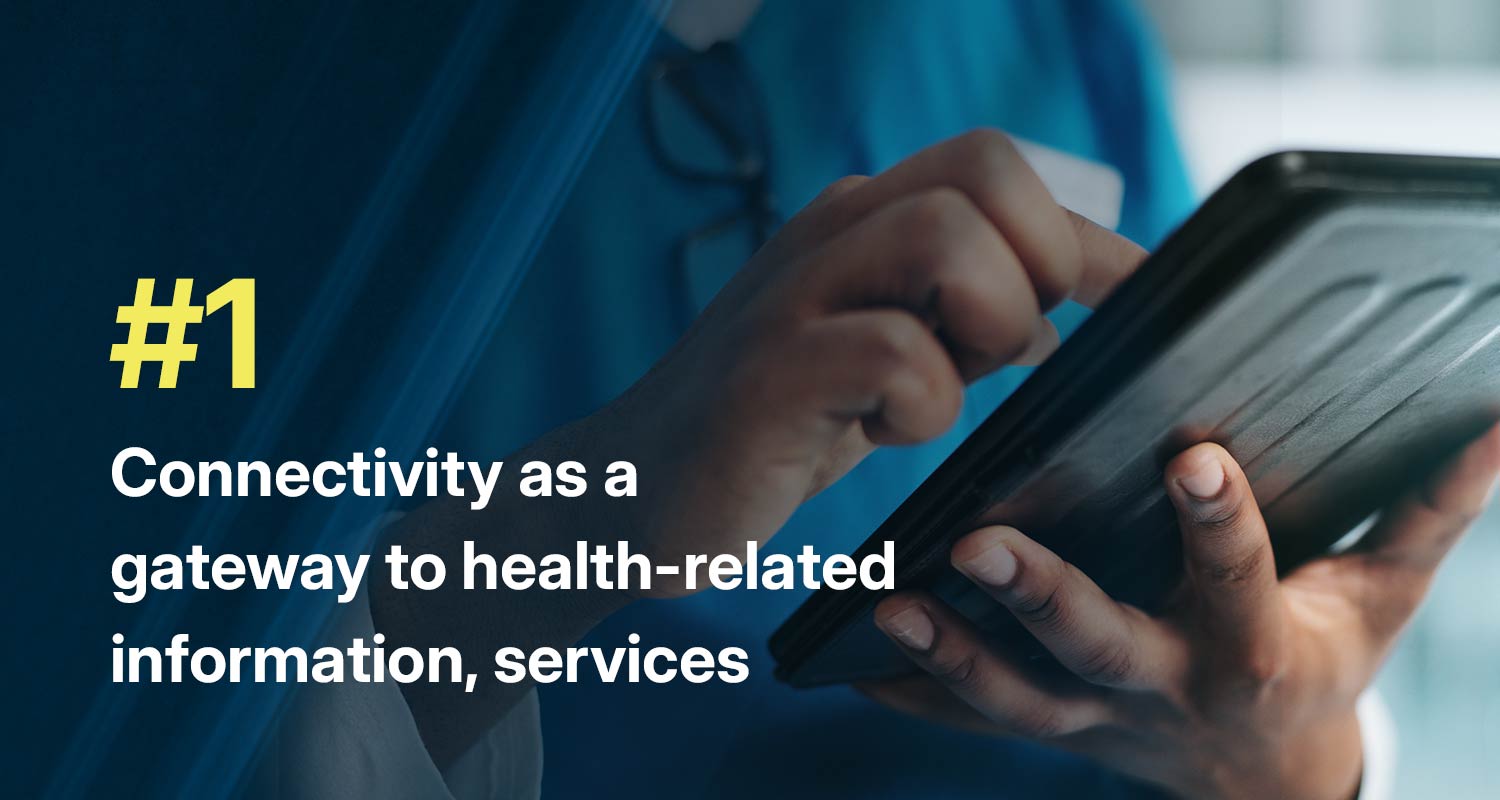
Today, there’s no denying that technology and connectivity have fundamentally changed how people seek medical care and access and consume healthcare information. In the past, someone who was feeling unwell would have had to make an appointment with a doctor to better understand what might be happening in their body.
Now we can plug our symptoms into Google or ChatGPT and get a detailed breakdown of the potential causes for our ailments. While this can never compare to a consultation with a doctor or replace proper medical care, these searches help us make better decisions about when to book an appointment with a medical professional.
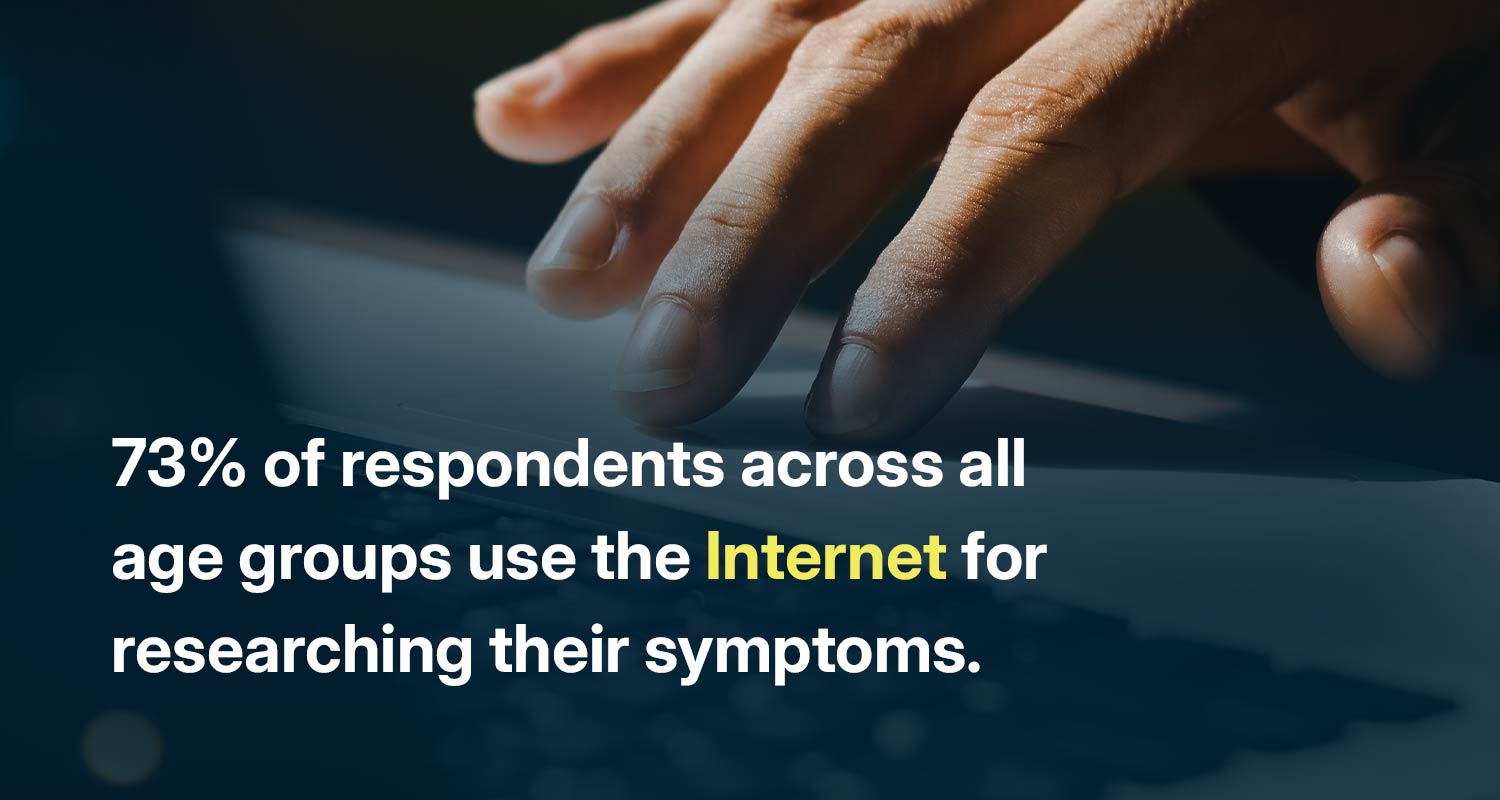
According to the Mweb survey, 73% of respondents across all age groups use the internet for researching their symptoms. About half of respondents (48-51%) who use the internet for medical-related queries, such as finding a local healthcare provider or researching consultation costs, have fibre connectivity at home. Beyond purely clinical concerns, the survey found that about half of respondents (46%) aged 35-49 frequently use the internet to compare medical aid costs. This indicates that they are leveraging connectivity to make more informed healthcare-related decisions.
Furthermore, the internet is also enabling new forms of virtual care. Telemedicine platforms, online consultations and health apps allow people to schedule a video consultation with a GP or chat to a mental health professional from the comfort of their homes. According to the Mweb survey, 21% of respondents have consulted a mental health professional online, while 29% have consulted a medical professional online.
The Mweb survey results revealed that 23% of respondents own a smartwatch, and more than half (56%) use fibre to connect to the internet. This is understandable because reliable, uninterrupted connectivity is the backbone that enables wearables – smartwatches, fitness trackers and connected medical sensors – to perform their intended functions.
While wearables can record data locally, it’s the internet connection – through mobile networks or fibre – that allows this information to be synced, analysed and shared.
This connectivity turns raw metrics such as heart rate, sleep patterns or activity levels into actionable insights by linking wearables to apps, cloud platforms and even healthcare providers. Today, wearables aren’t just personal fitness gadgets; they’re critical tools for remote patient care.
A patient with hypertension can be fitted with a connected blood pressure monitor that automatically shares readings with their doctor. Similarly, patients recovering from surgery or managing heart disease can be monitored remotely, improving response times and reducing the need for hospital visits without compromising care.
One of the key benefits of these two trends is that they can enable real, preventive medicine. With traditional medicine, we often wait until symptoms appear and treat problems after they’ve already taken a toll. But preventive medicine is about addressing health issues before they become serious conditions.
Connectivity and digital health tools are giving regular people unprecedented access to their health data, allowing them to spot warning signs early, make lifestyle adjustments, and ultimately work proactively with their healthcare providers to take control of their health and well-being now and into the future.
About Mweb
Founded in 1997, the internet service provider Mweb has a long history of connecting homes and businesses across South Africa with reliable internet services and digital solutions. Today the company offers a comprehensive portfolio of connectivity options – fibre, fixed-LTE and fixed-5G – alongside web hosting, domain registration, internet security, VoIP and premium mailboxes. Mweb works with a wide range of infrastructure partners to deliver high-performance internet solutions and continues to innovate and expand its services to meet the evolving needs of South African consumers and enterprises. For more information, visit www.mweb.co.za or follow Mweb on Facebook, Instagram and YouTube.