


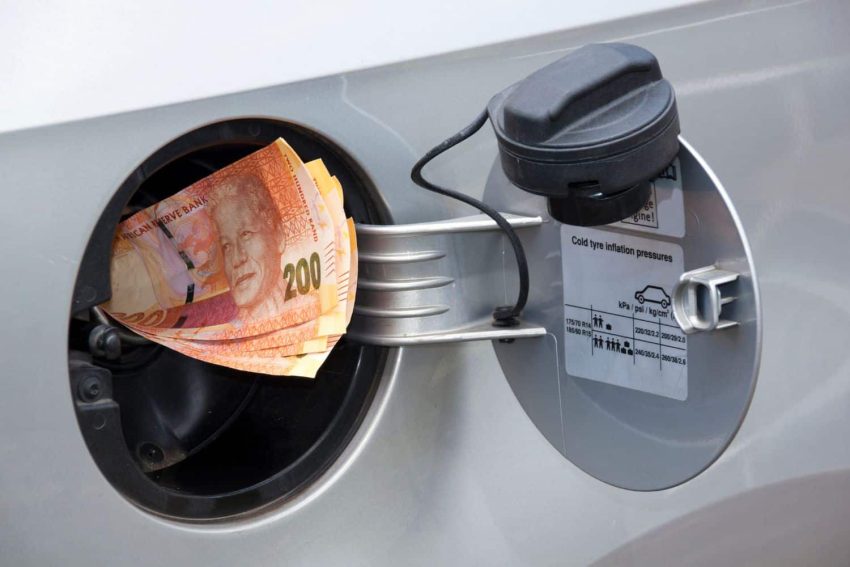
Economic shocks, such as fuel price hikes or electricity tariff increases, may be felt immediately by consumers.
Chief economist at Efficient Group, Dawie Roodt, has painted a grim picture of South Africa’s economic outlook amid the looming fuel price hike this week, warning that while the short-term pain is immediate, the real economic damage will compound over time, worsening inflation, poverty and unemployment in an already fragile economy.
South Africa is set to experience a painful fuel hike on Wednesday, with the latest data from the Central Energy Fund (CEF) showing that motorists could pay more than R10 per litre for diesel – a historic first.
The CEF’s under-recoveries also indicate that petrol prices may rise by more than R5 per litre, adding further strain on households and businesses.
Roodt told The Citizen that economic shocks, such as fuel price hikes or electricity tariff increases, may be felt immediately at the consumer level, but their full effect takes up to two years to ripple through the economy.
“While motorists will notice the pinch at the pumps this week, the real blow will come in April, when higher fuel levies, electricity costs, and knock-on price increases push inflation towards 4.5%-5%.
“This surge is expected to trigger interest rate hikes by the Reserve Bank, compounding the strain on households and businesses already grappling with weak growth, high unemployment, and rising poverty,” Roodt said.
ALSO READ: Easter panic: Fuel rationing and long queues at the pump spread as prices set to hit historic highs
April shocker
He added that motorists are already feeling the pinch, but April will deliver the real shock.
“By Wednesday, if you put petrol in your car, you will spend much more. That means less money for other essentials, and within a week or two, we are already seeing prices rise in anticipation – fertiliser and diesel costs have climbed unofficially.
“Official inflation data will gradually reflect this, moving from 3% in February to around 3.3-3.4% in March. But April’s number will be the real shocker,” Roodt said.
Poverty pressures
Roodt warned that the broader economic context makes the situation even more dire.
“For 20 years, South Africa has endured weak economic growth, high unemployment, and rising poverty. This crisis will only worsen those numbers over the coming year,” he said.
The economist stressed that the combination of rising fuel costs, electricity hikes, and levies will not only push inflation higher but also erode disposable income, leaving households with less money to spend on essentials.
Businesses, particularly in agriculture and transport, will face mounting costs that could translate into higher food prices and reduced competitiveness.
Fuel rationing
Meanwhile, AgriSA and the Agricultural Business Chamber of South Africa (Agbiz) have urged the Department of Mineral Resources and Energy (DMRE) to urgently consider a temporary adjustment to the fuel-pricing mechanism in response to emerging supply constraints in rural areas.
AgriSA and Agbiz said their survey of more than 1,000 producers and 100 fuel retail sites revealed constrained supply and increasing rationing across multiple regions. Respondents reported daily restrictions ranging from 50 to 500 litres per client, driven by panic buying and surging demand in the farming sector.
The organisations warned that without intervention, the combination of supply shortages and record-high prices could severely disrupt agricultural production at a critical time in the farming calendar. Farmers already face rising input costs, with fertiliser and diesel prices climbing sharply, and rationing adding further uncertainty.
Outlook
Roodt said with inflation expected to spike to 4.5%-5% in April, and the Reserve Bank likely to respond with interest rate hikes, South Africa faces a prolonged period of economic strain.
“The immediate pain at the pumps is only the beginning of a wider shockwave that will ripple through the economy over the next two years, deepening poverty and unemployment in a country already struggling with weak growth.”
ALSO READ: Fuel price hike: How much petrol can you actually store at home?